The passage from Las Palmas
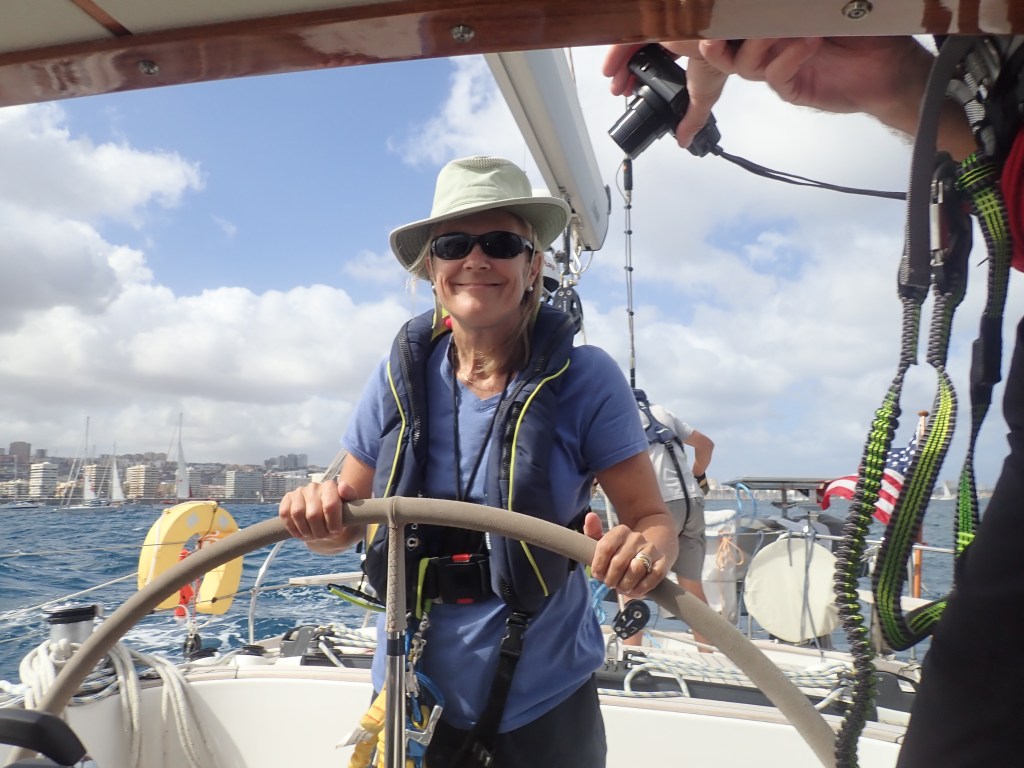
READY.. SET..GO! All the ARC+ sailboats gathered in the bay outside Las Palmas on November 10th around 12:45pm as we made our way slowly to the starting line between a ship and a large buoy. There were hundreds of waving people lined up along the shore and dike of the marina as we exited. After the start at 1300, all the boats crossed the line and spread out. With the wind behind us from the northeast, we headed south.

Cape Verde is an archipelago of 10 volcanic islands located 350 miles off the coast of NW Africa in the central Atlantic Ocean. Our passage from the Canary Islands to Cape Verde was around 1,000 nautical miles and SV JAN was 5 days at sea. We still had our two extra crew on board, Tim from Park City, Utah, and Don from Bern, Switzerland.

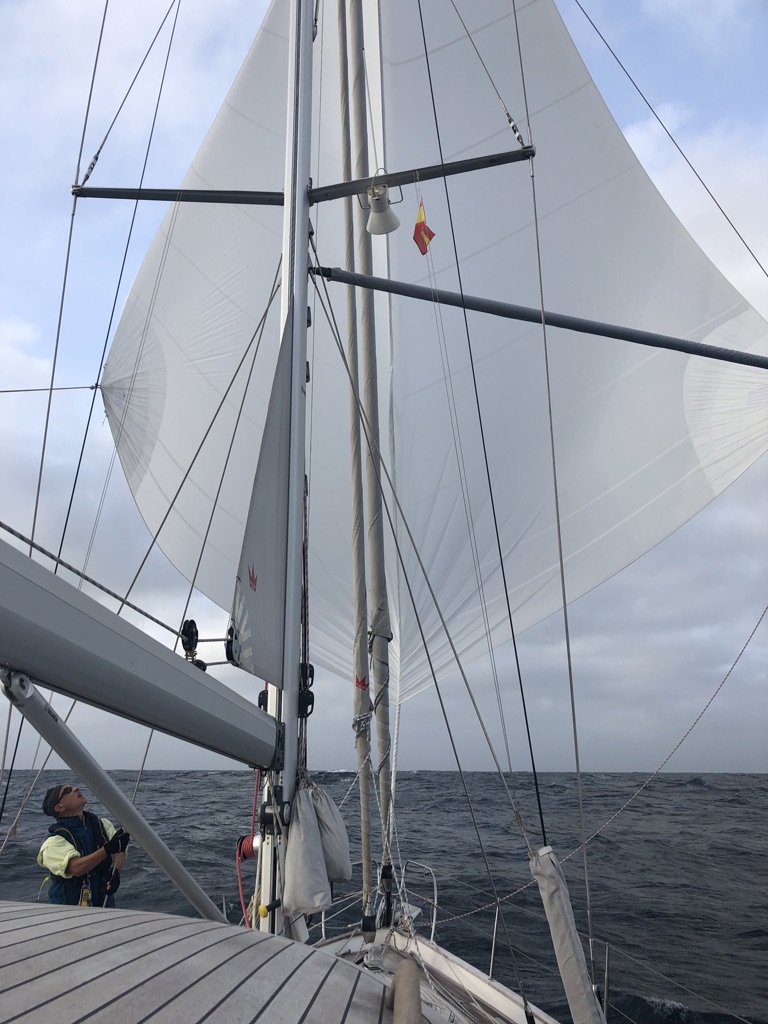
We had started with the main sail and Genoa headsail, but by the second day we took down the main and the Genoa and launched the Blue Water Runner (BWR) as the wind came directly from the back of the boat. The waves were quite large in the beginning (up to 4 meters) so we had a lot of rocking and rolling. Don was seasick but the rest of us fared well.
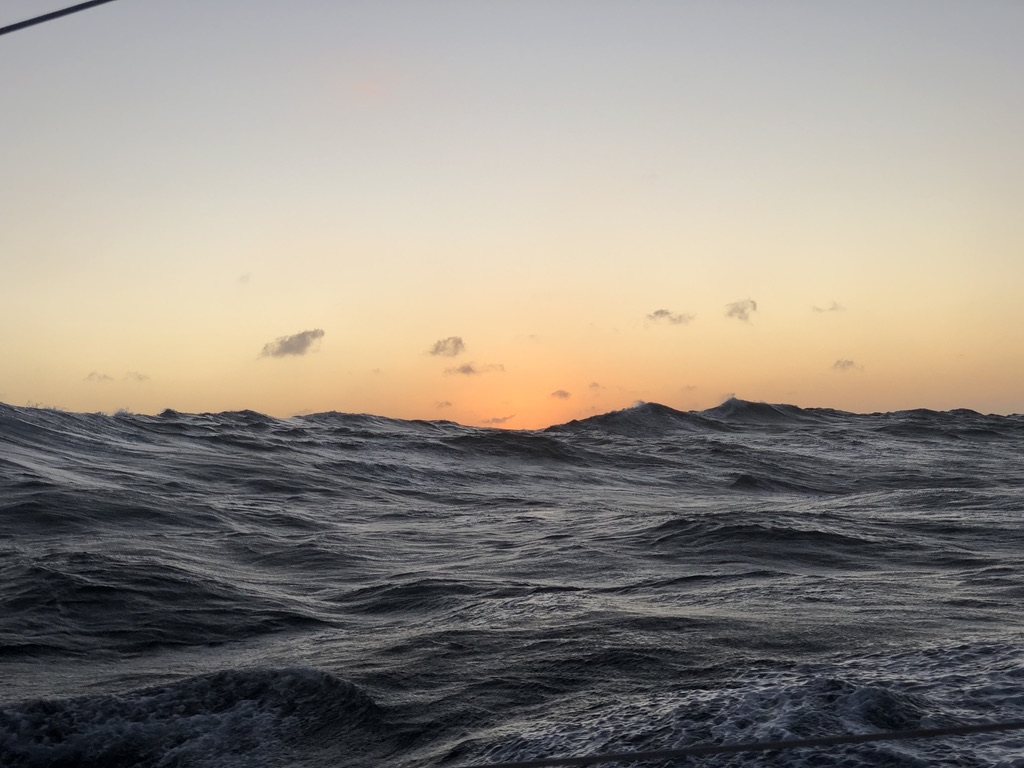
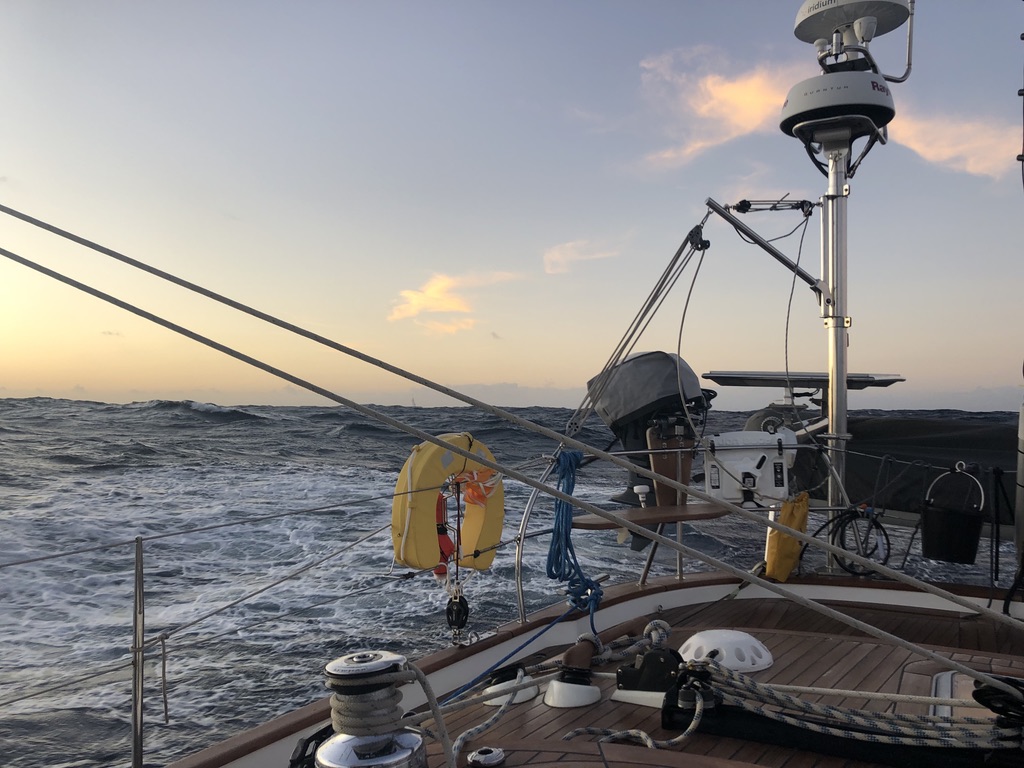
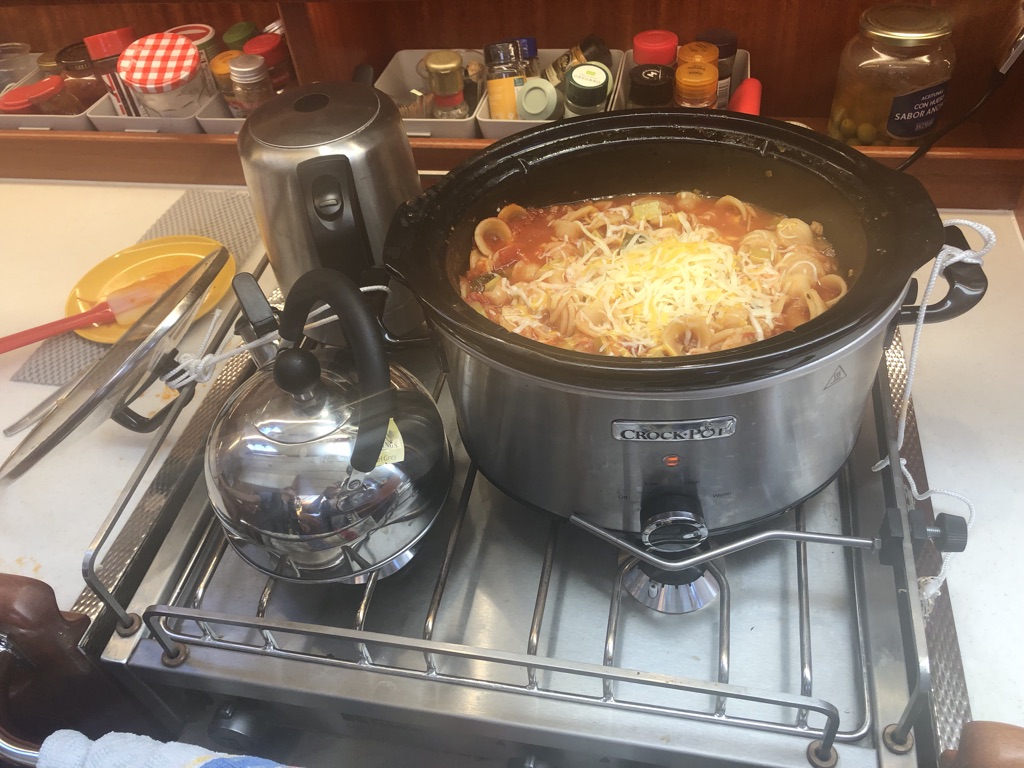
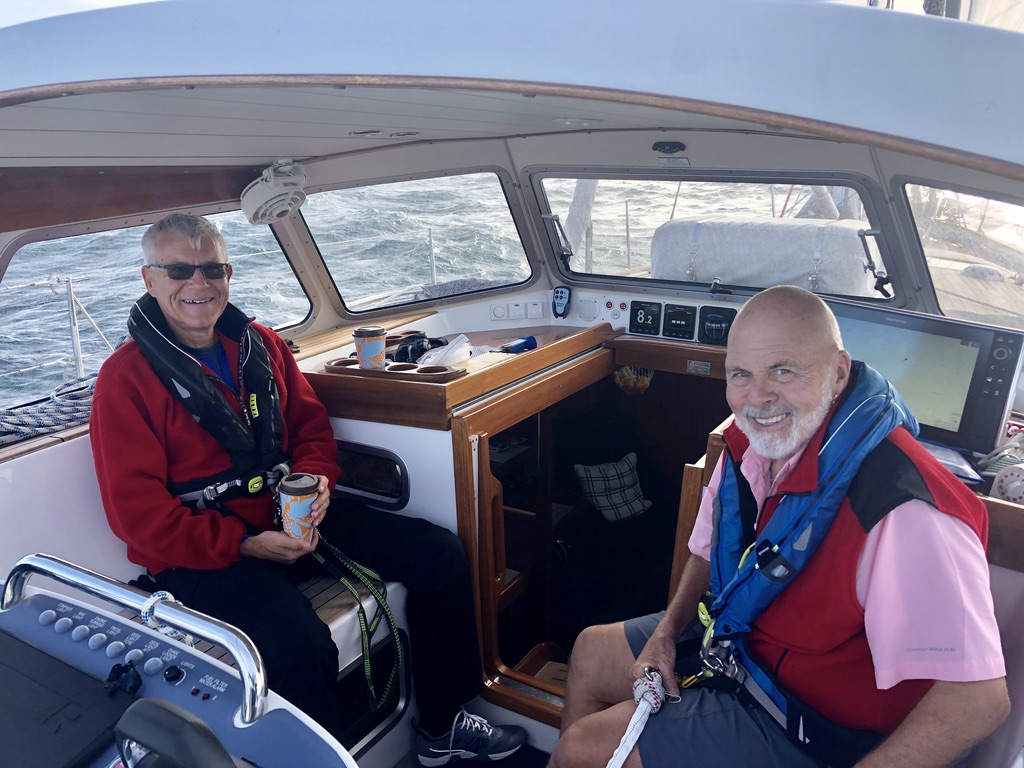
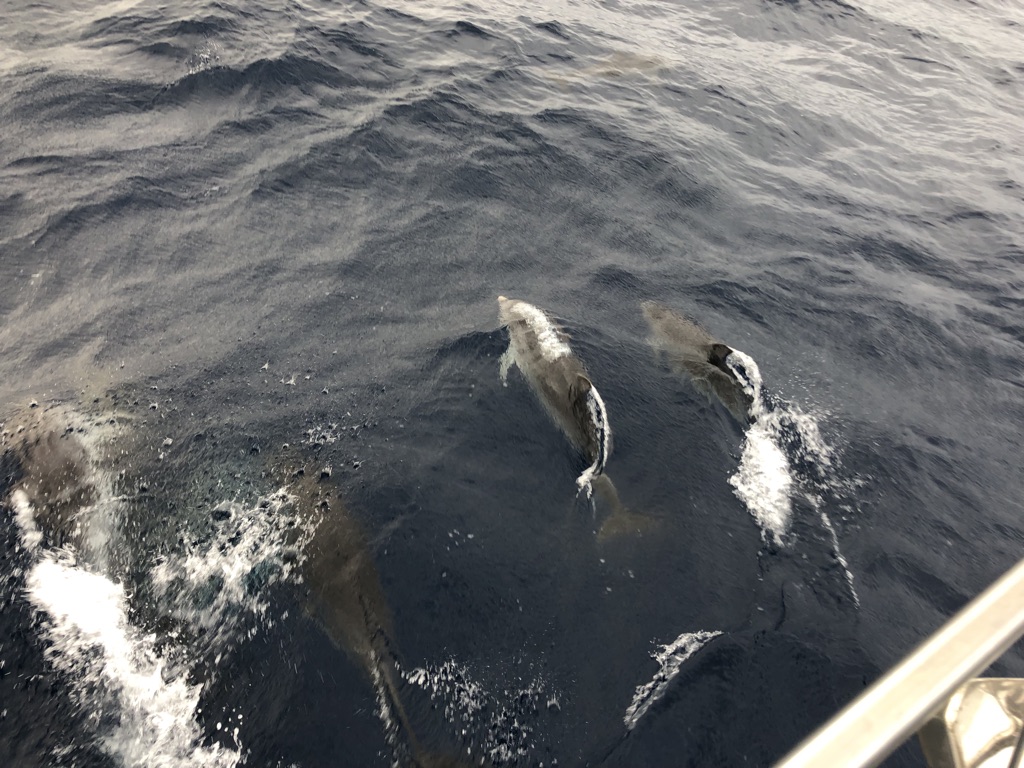
So…how did we pass the time? Our watch schedule was planned by Tim and were mostly 2 hour shifts. Our routines centered around this schedule. With 4 people, the schedule was quite manageable and there were at least 6 hours between shifts. During our shifts we watched the chart plotter for traffic, checked the sails and looked 360 degrees in the distance around the boat. In between watches, we read books, listened to podcasts and music, fished, slept, pondered the stars, cooked and watched for DOLPHINS! To stay in touch with the world, we used our SSB (single sideband radio) our Iridium Pilot satellite and the VHF radio.



CAPE VERDE

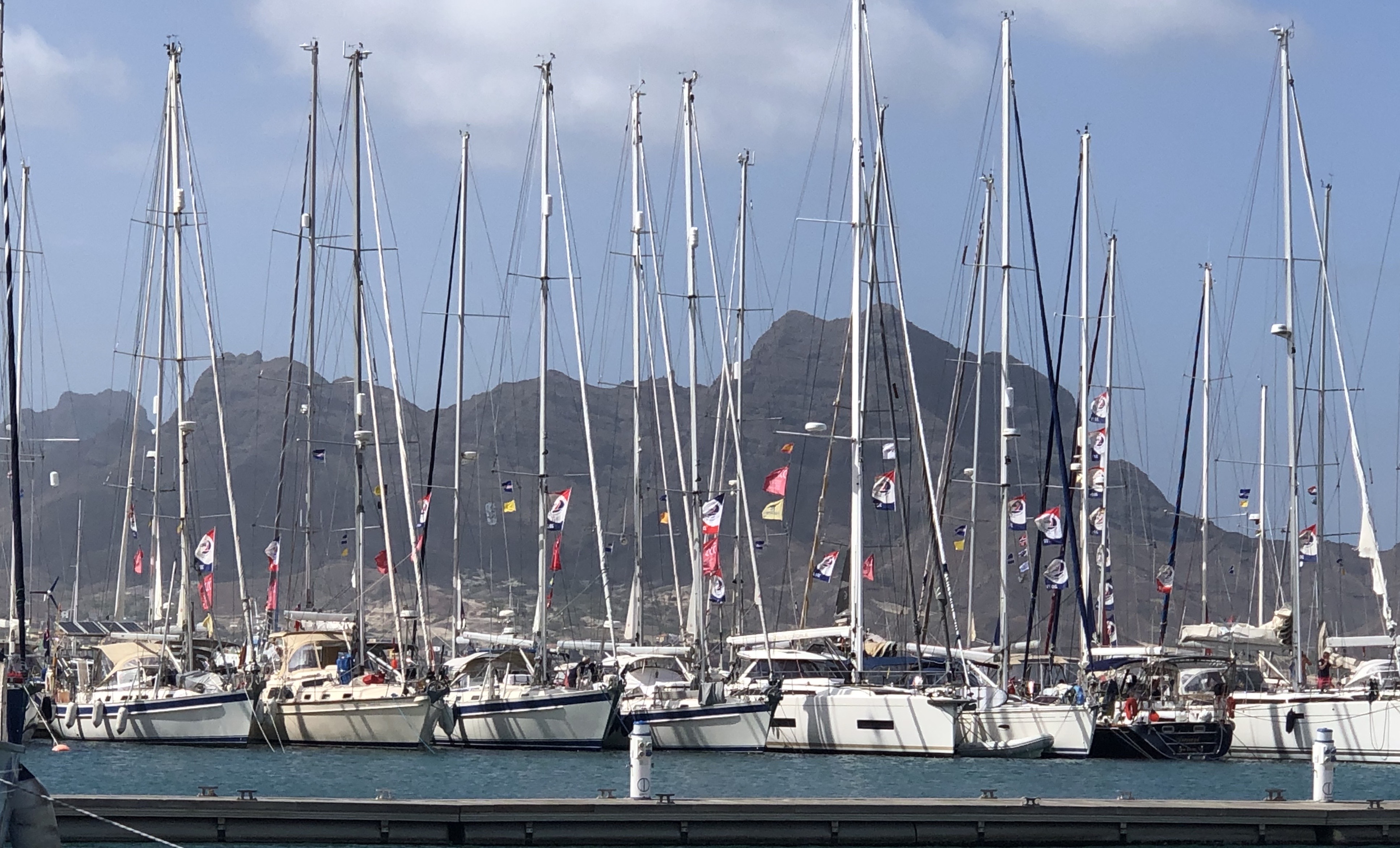
We arrived at Cape Verde in the dark around 2100 local time on the 15th of November. The finish line was between a little island (Ilhéu de Pássaros) with a lighthouse and the shore of the island of Sao Vicente. Usually, we prefer to arrive to a new harbor in the daylight but we had no choice since this was a race. Every thing was well marked on our chart plotter and once we crossed the finish line and entered the harbor, the ARC team showed us our berth and helped us dock. All went very smoothly! And- we ended up placing 5th out of the 26 boats in our class!


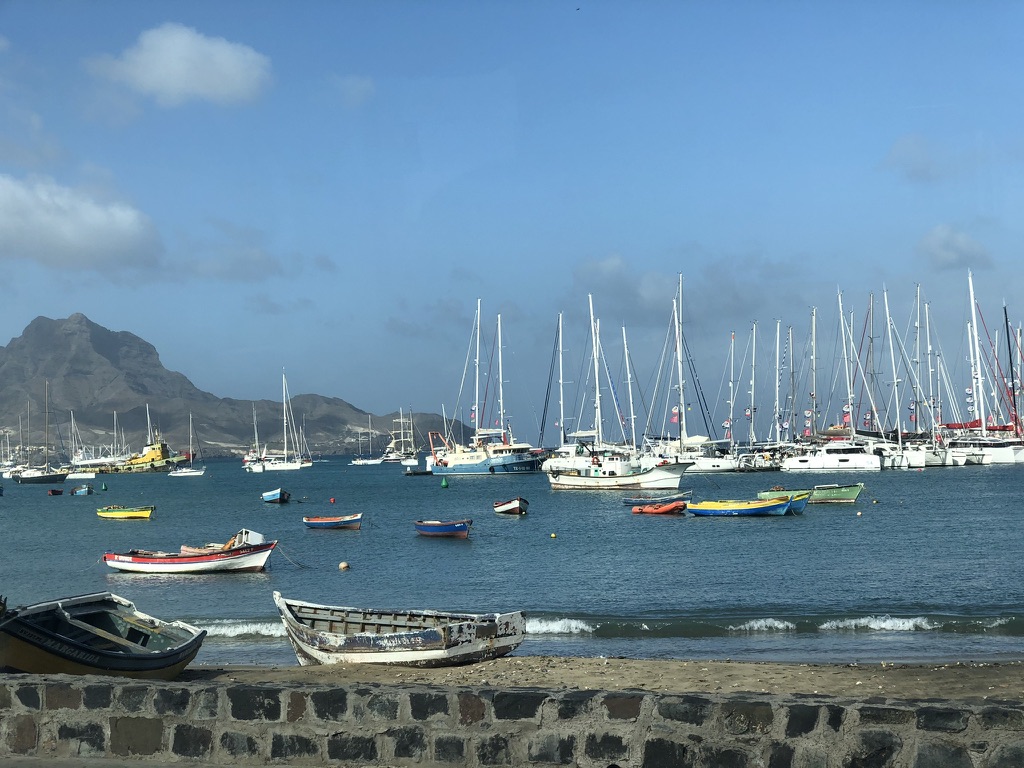


Around the Islands
If there ever were a place at the ‘edge’ of the earth it might look like the Cape Verde Islands. Mostly brown, rocky and barren, there is very little green except in a few places!
Once on land, the ARC+ had the schedule organized with lots of activities and tours. On the first day we toured Sāo Vicente where our marina is located.


The second day we took a ferry to Santo Antão and visited this much larger and greener island with lots of lovely terraced hillside plantations nestled below lovely towering mountains.

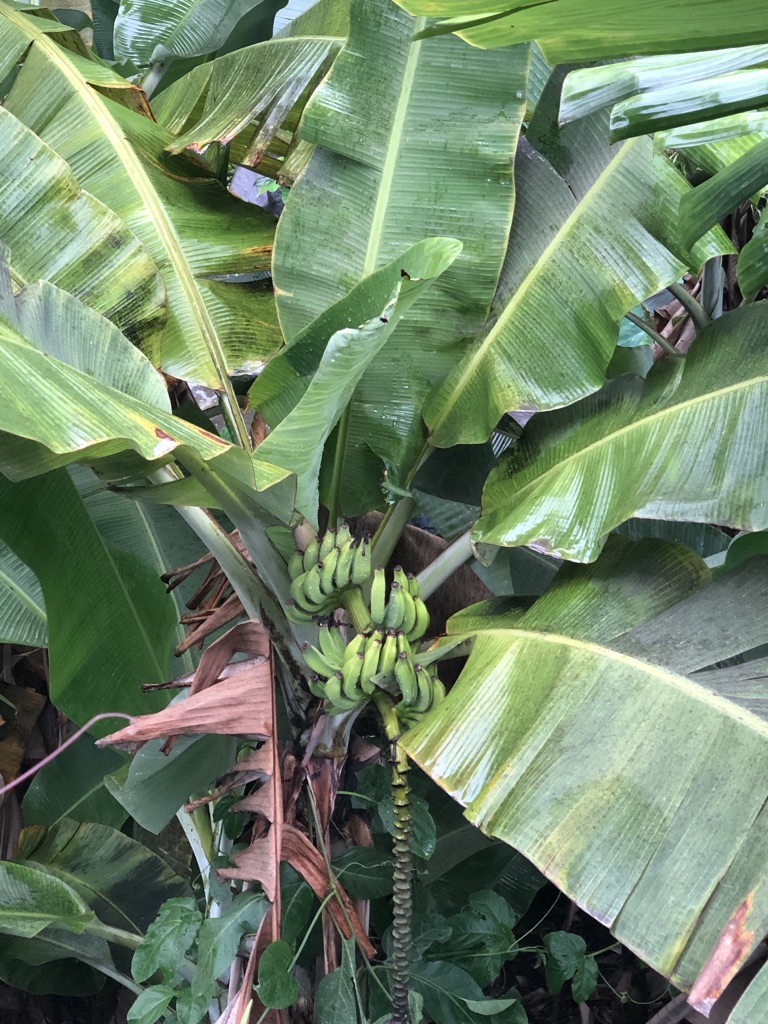
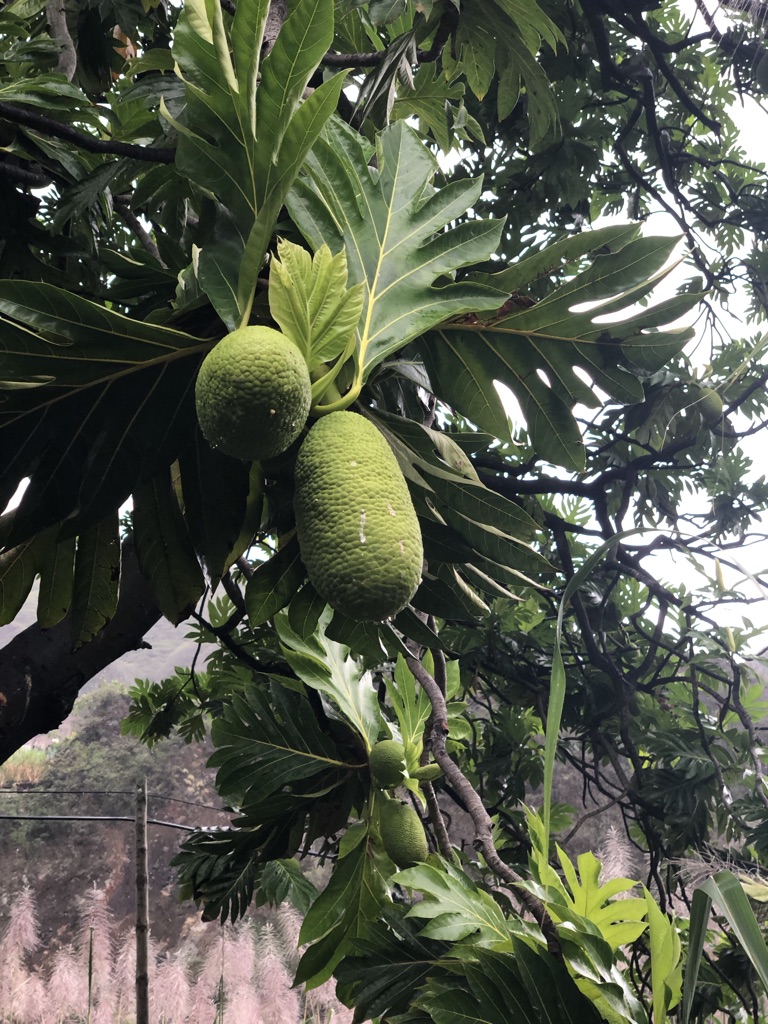
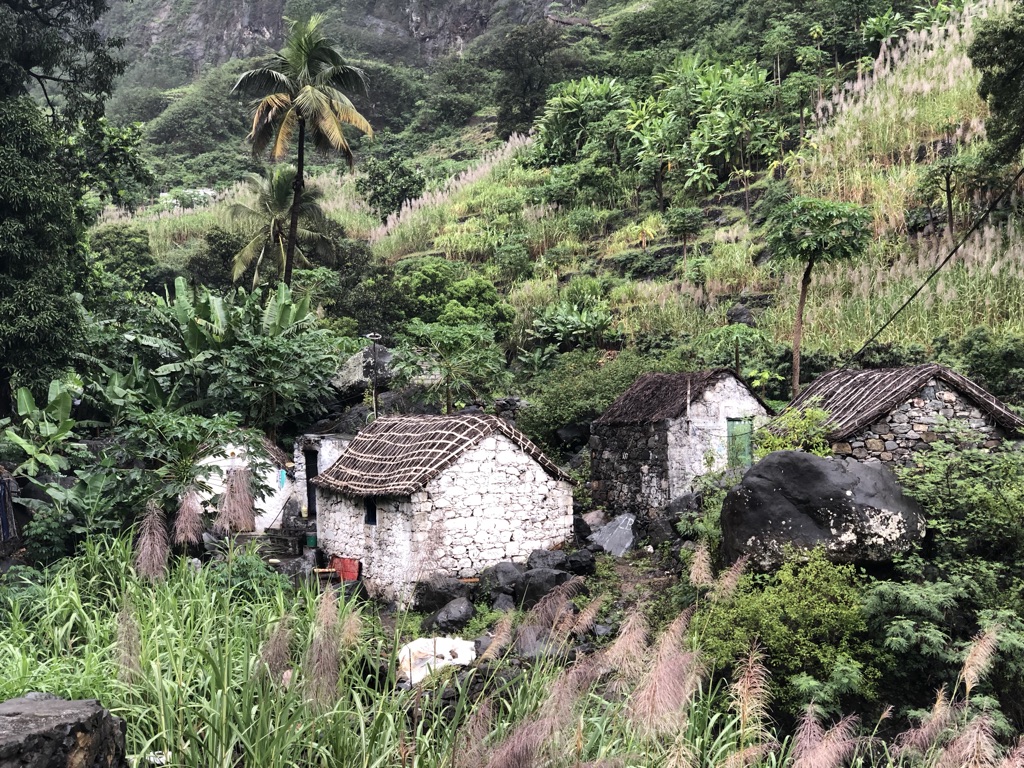

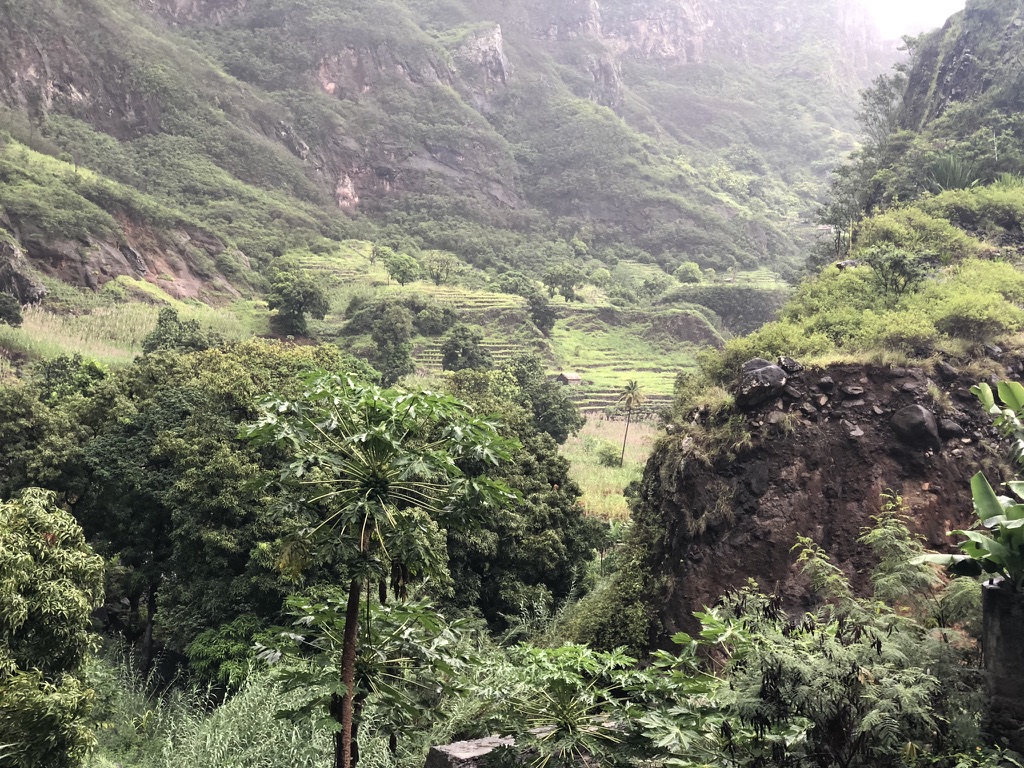
We learned that Cape Verde was first colonized by the Portuguese in the 15th century and was established as a trading center and also was used as a stopping point for the ships carrying slaves from Africa. It achieved its independence from Portugal in 1975 and has remained a democracy since then. Today, since the islands have few natural resources, the economy is centered on the development of tourism and foreign investment. The population of the whole archipelago is around 500,000.
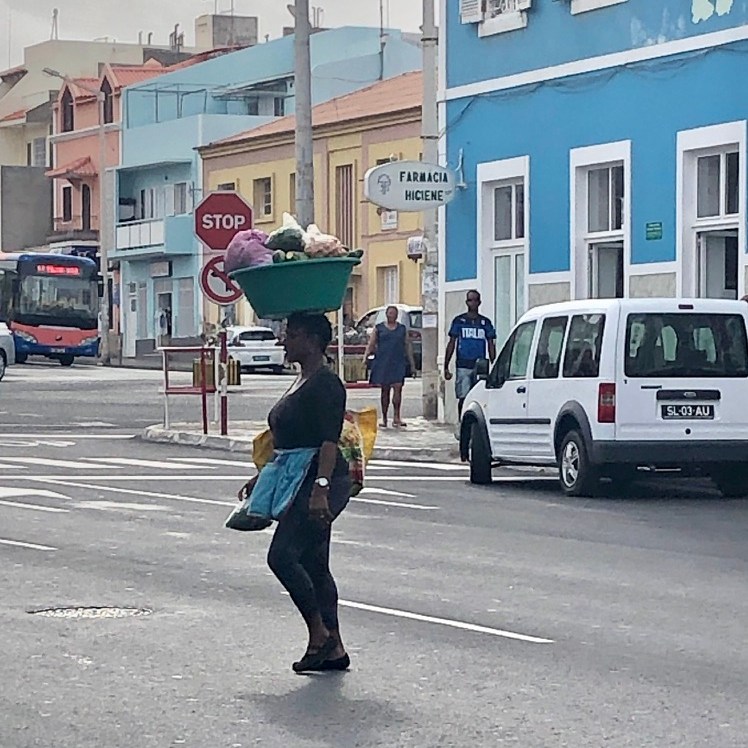

The people are ‘creole’- a mixture of native-born African and native-born European descent. There is poverty (average salary is around $150/ month) and the people are very poor but we did not see any homeless people.
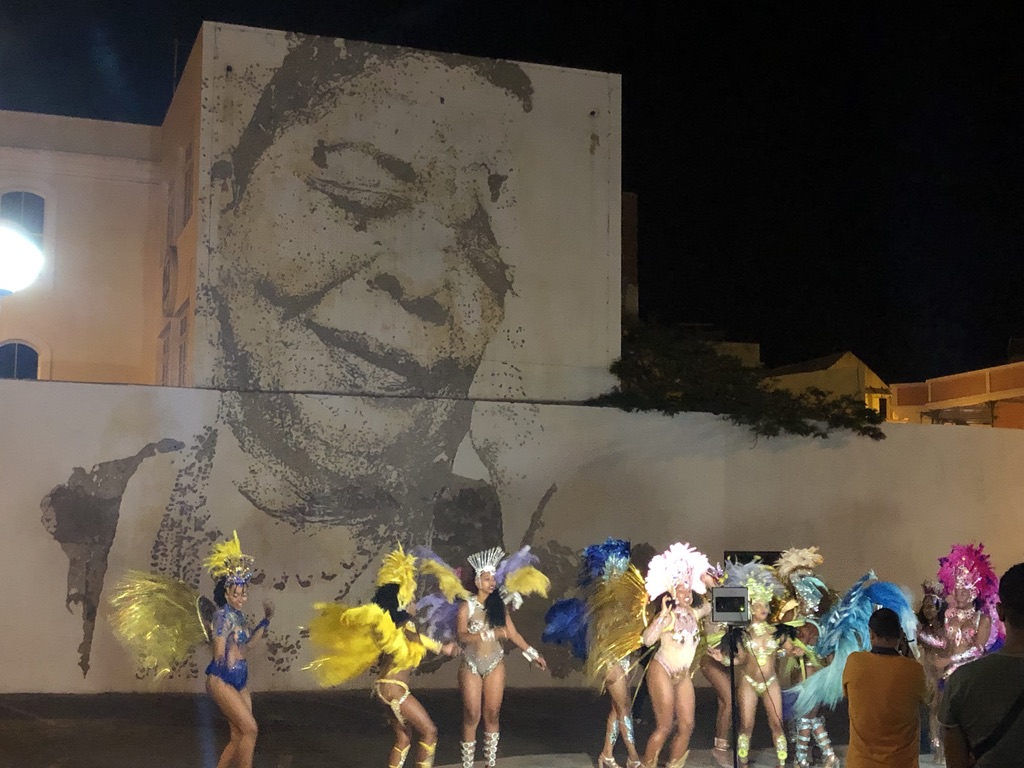
In general, the people seem content: we saw lots of laughter, dancing and most everyone was so polite and welcoming.
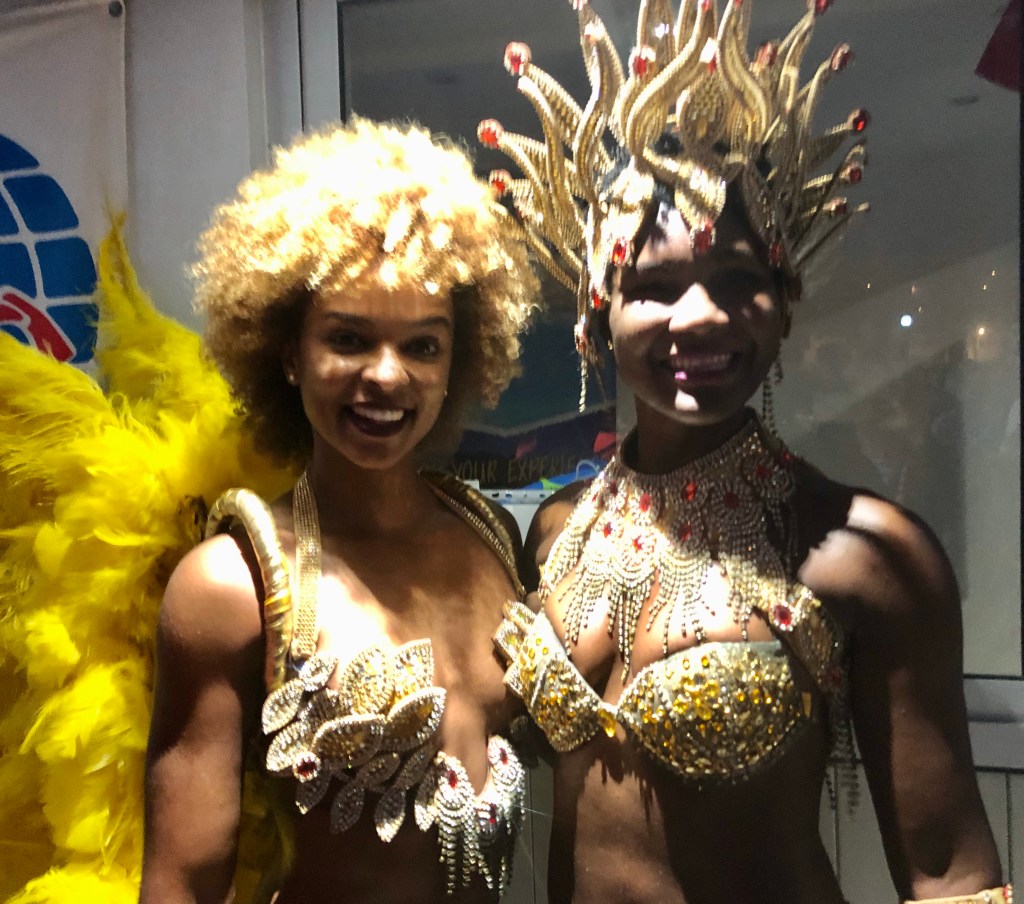
The locals love to dance and the women, especially, love colorful flashy costumes!

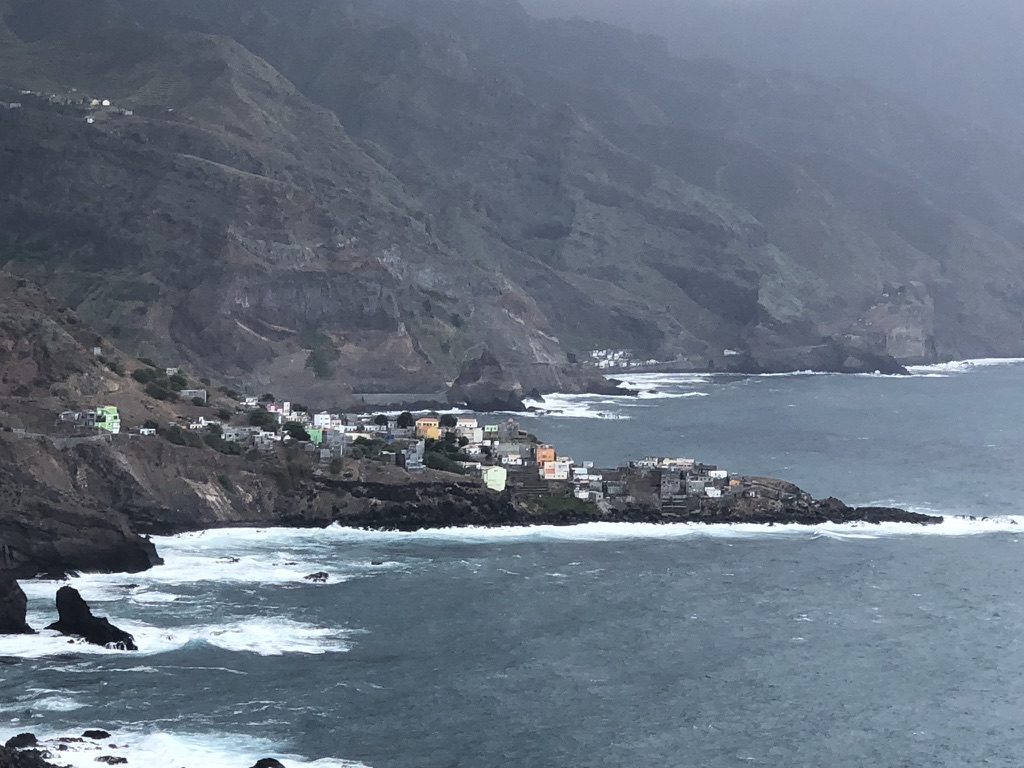
Many houses are painted in vibrant colors- green, orange, yellow. It is hard not to notice the large number of structures, mostly houses, that remain unfinished. Our guide told us that taxes are based on the size of completed usable area, so many leave the upper floors of the structures unfinished until they have more money for building supplies and taxes.
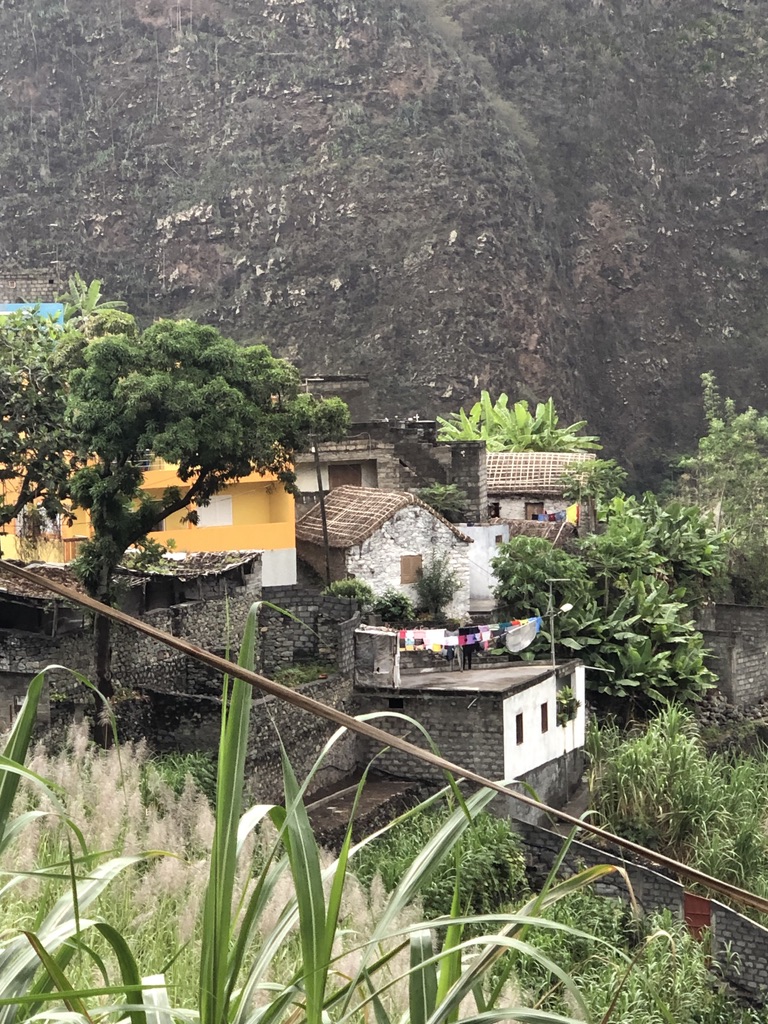

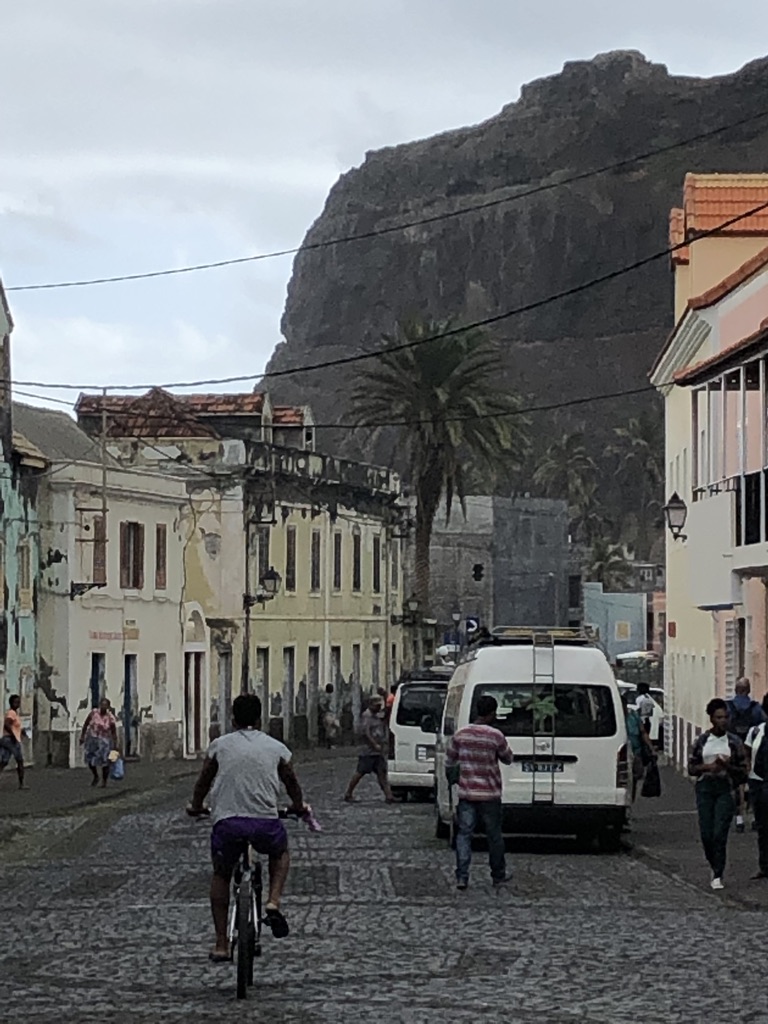
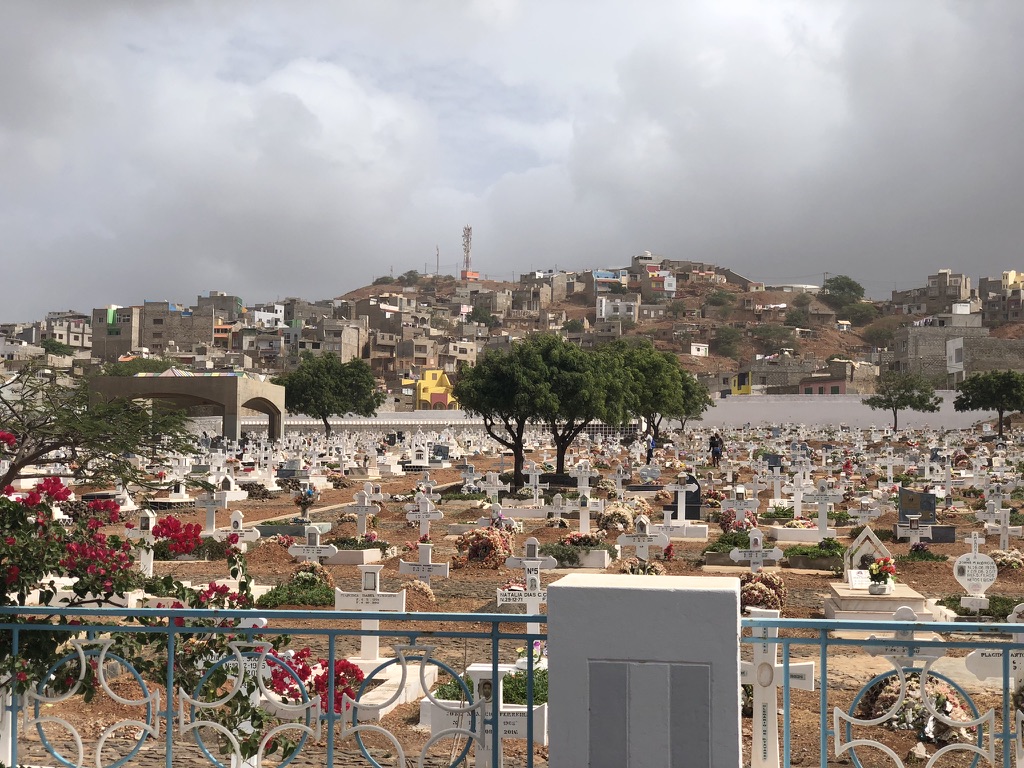
In addition to the local dialect, the main language remains Portuguese. The population is mostly Christian (95%) of which 85% is Catholic.
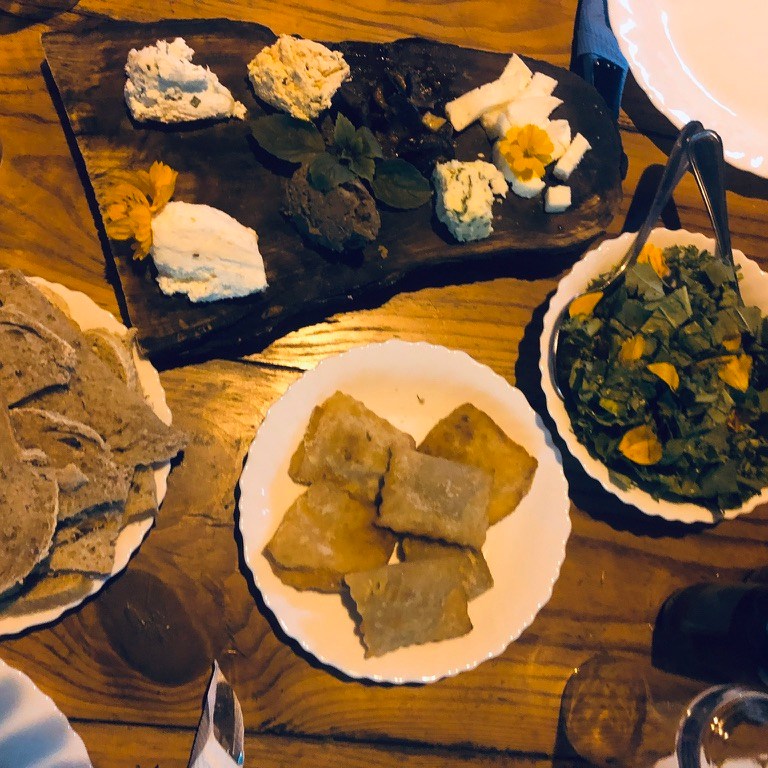
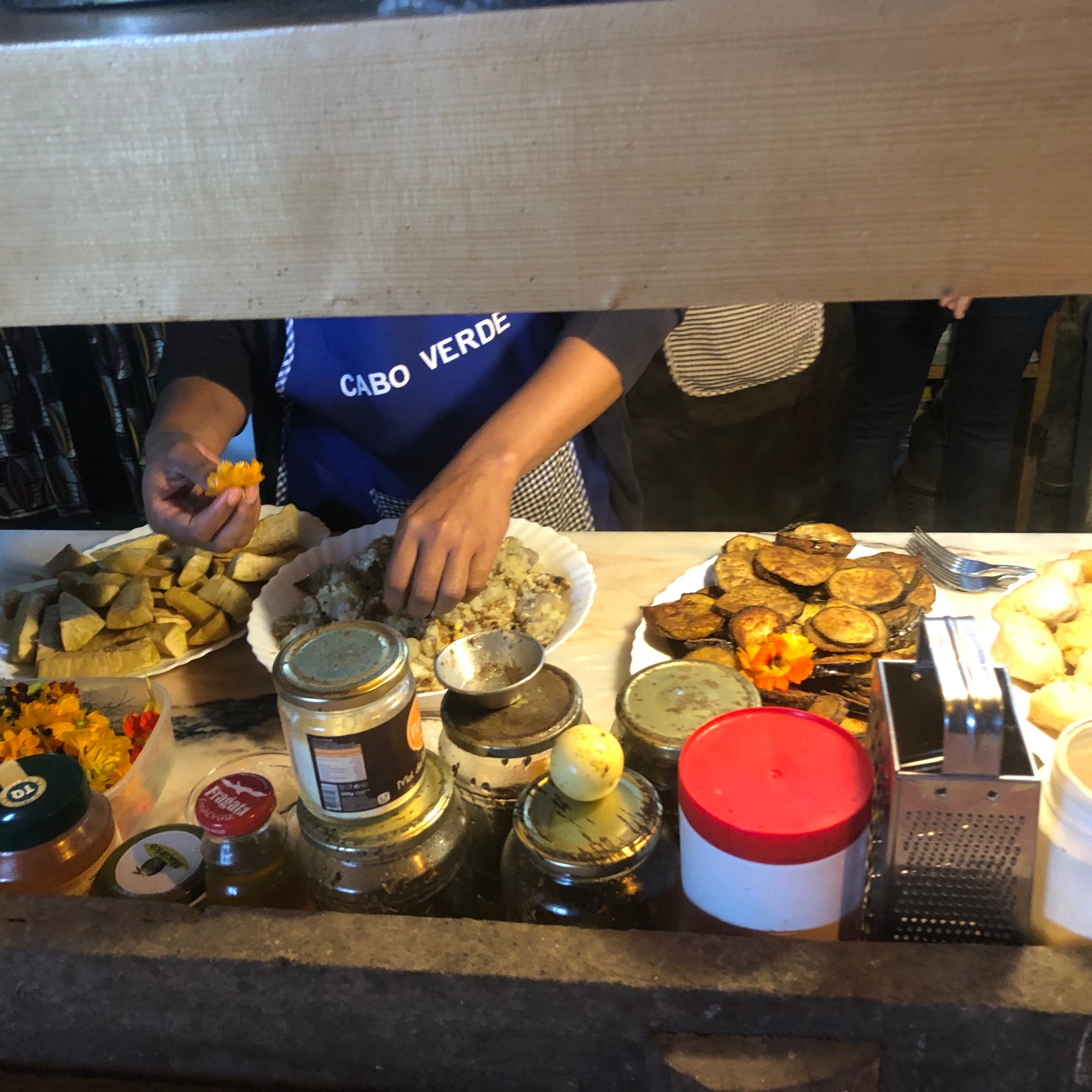
The food is based on staples of corn, beans, bananas, and other local fruits. They import 90% of their food and the rest is grown in the areas of the islands that have more water. The traditional food is called Cachupa- mainly a mixture of hominy, beans and vegetables.


We enjoyed our stay in Cape Verde and are ready for our next leg of 2,100 nautical miles to Saint Lucia.


 The Adventures of SV JAN