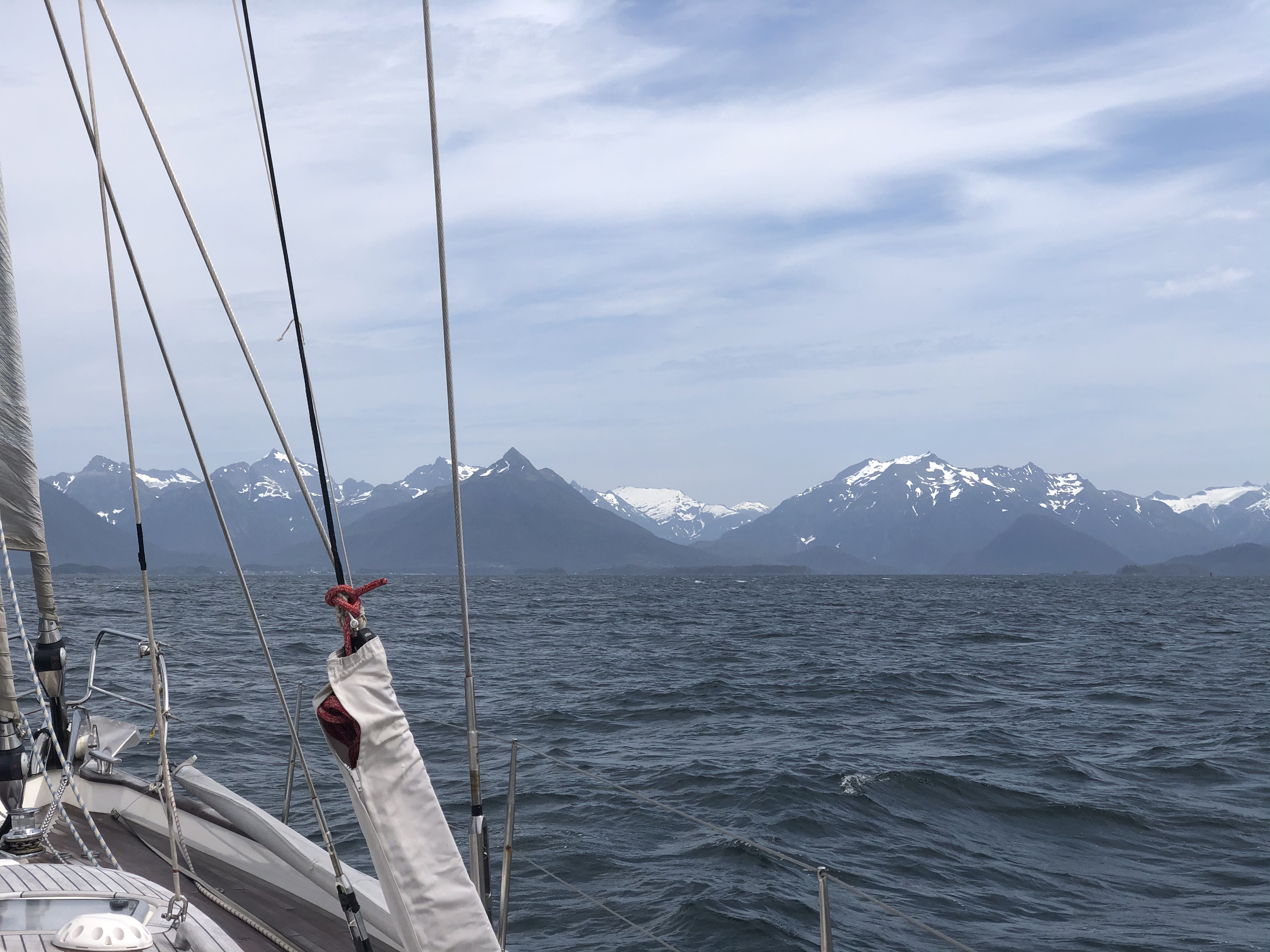
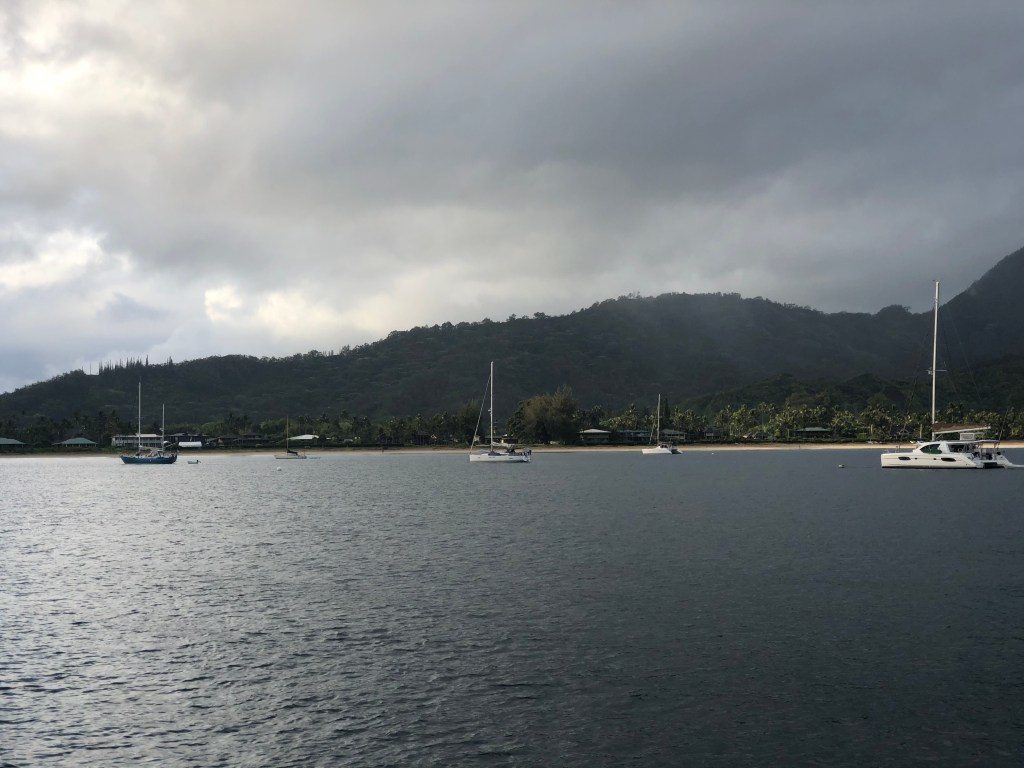
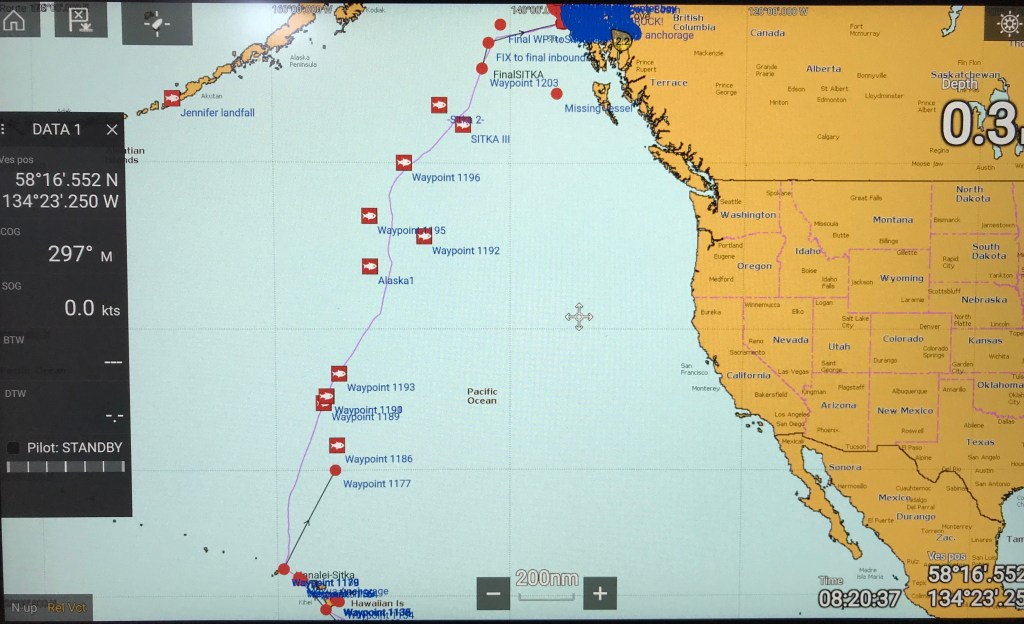
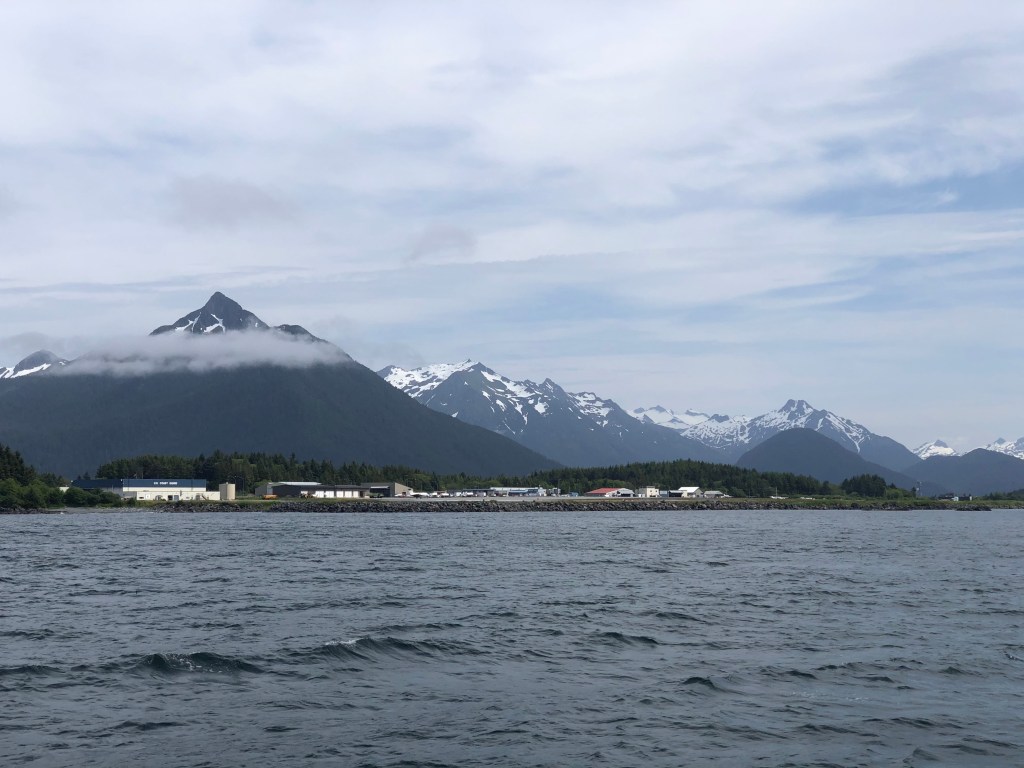
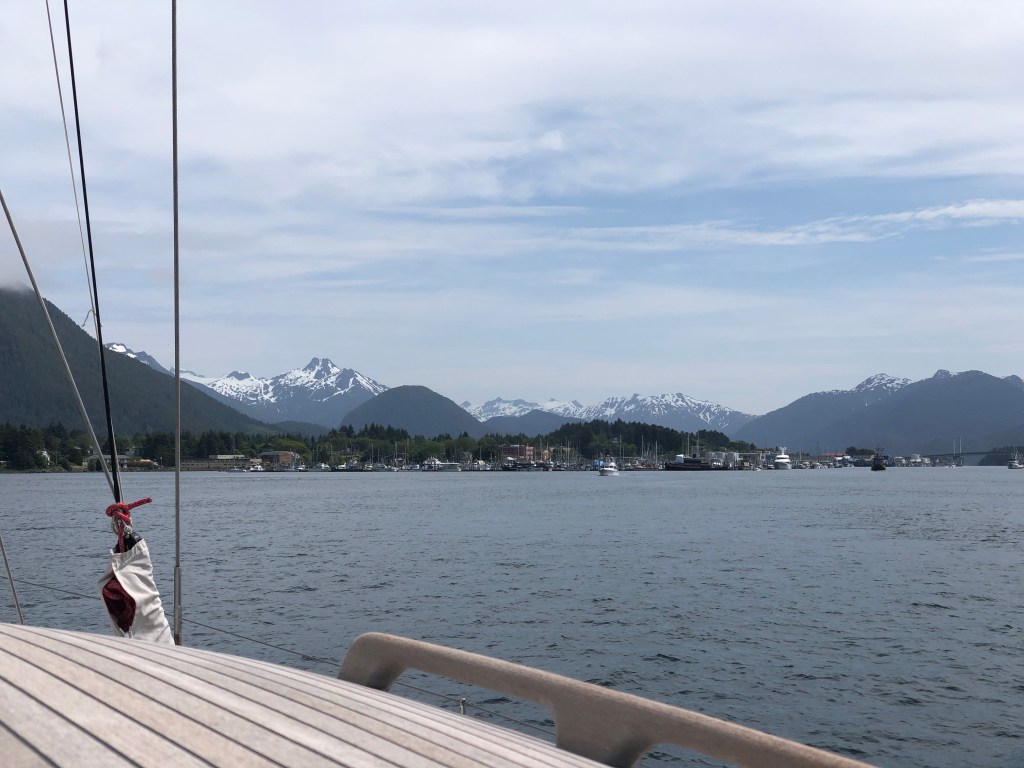
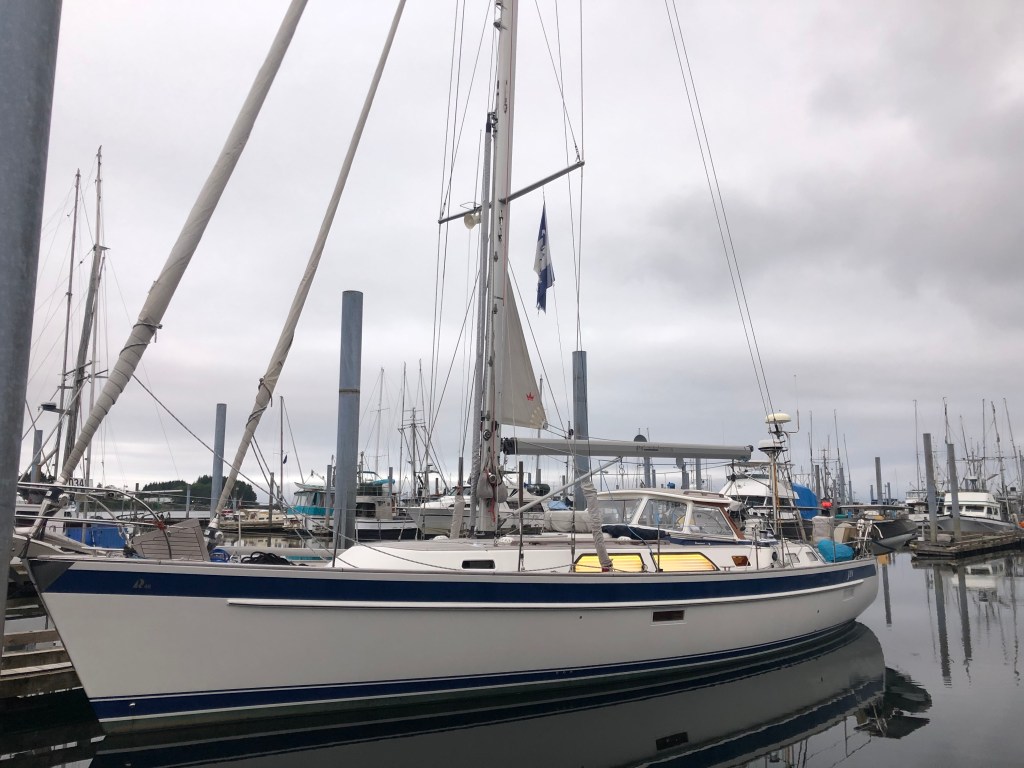
Our passage to Alaska was 2,300 nautical miles: we left Hanalei Bay on June 18, 2020 from the island of Kauai and arrived in Sitka, Alaska 15 days later on July 3, 2020.
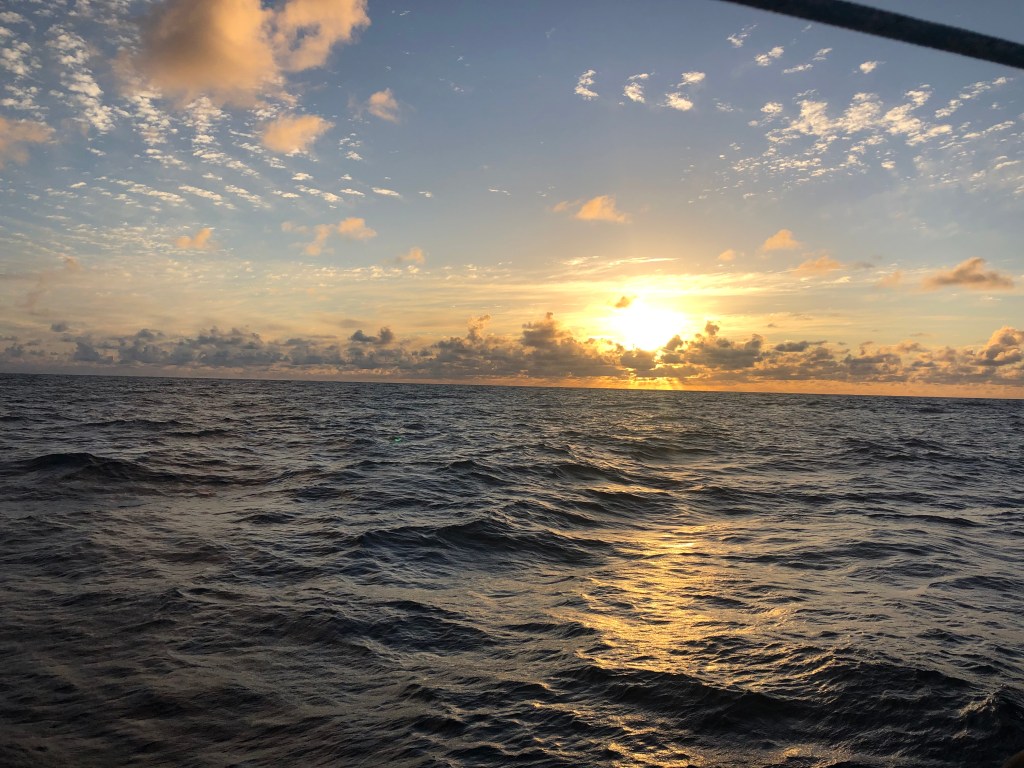
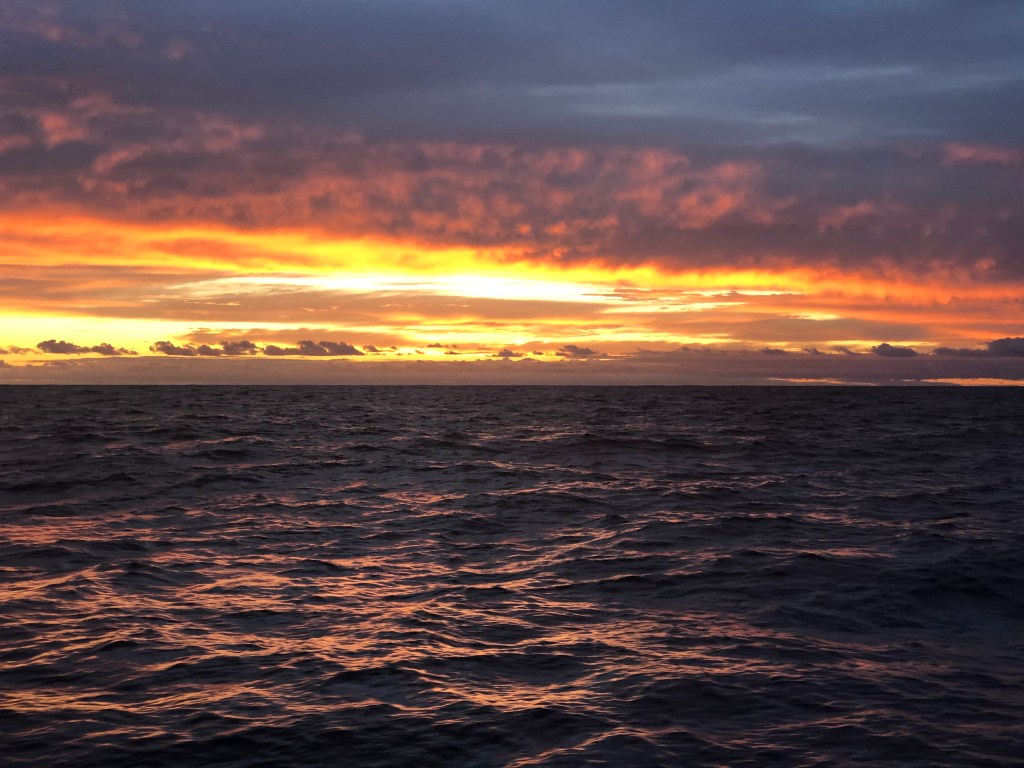
Sunsets along the way
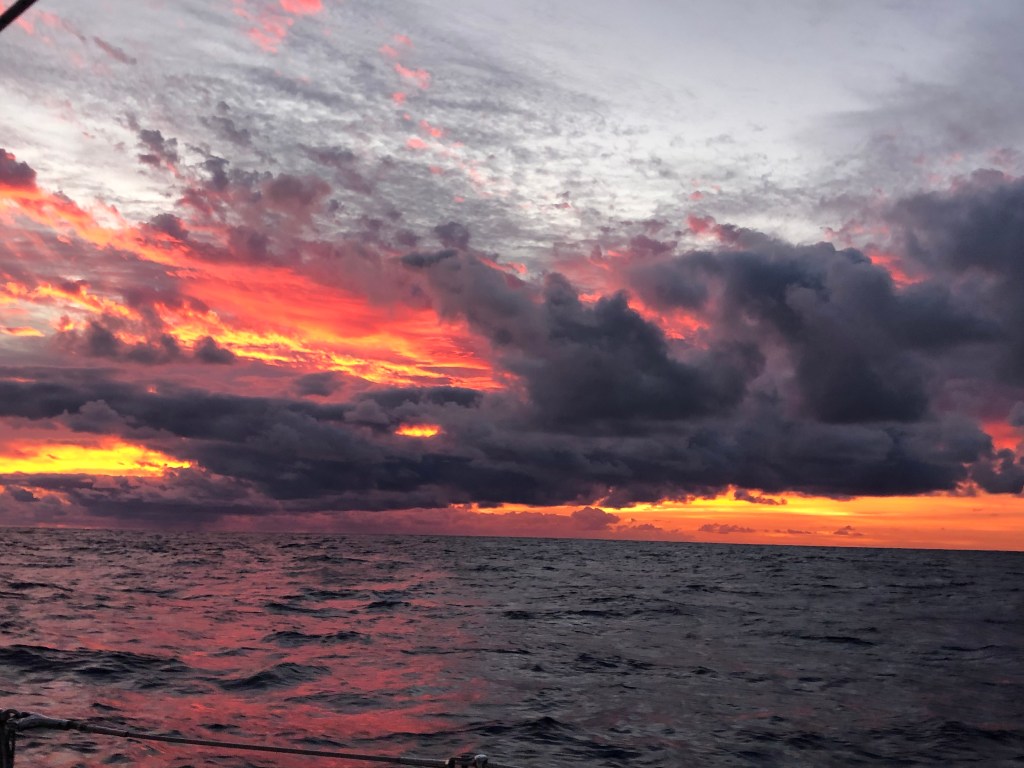
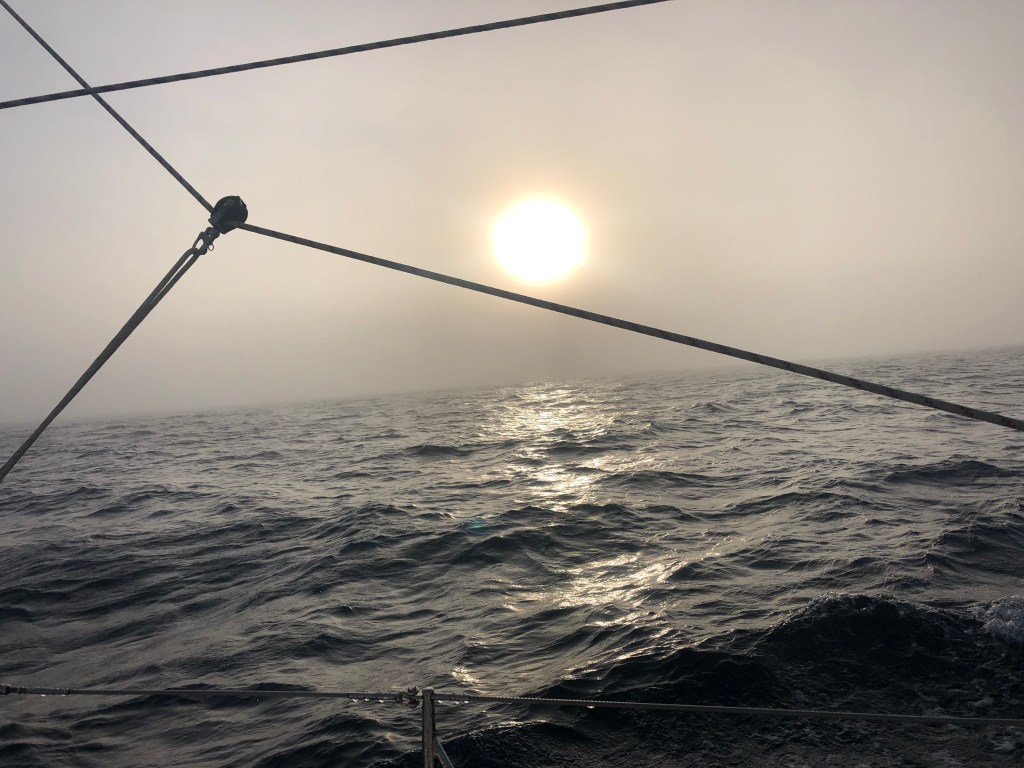
Sunrises along the way
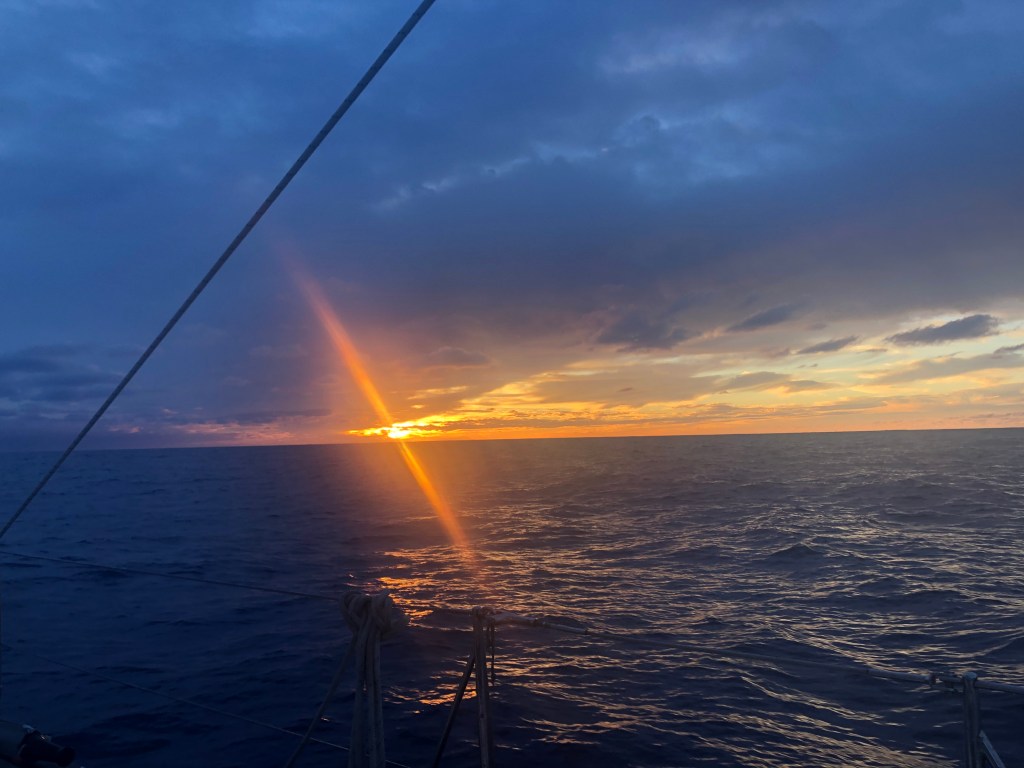
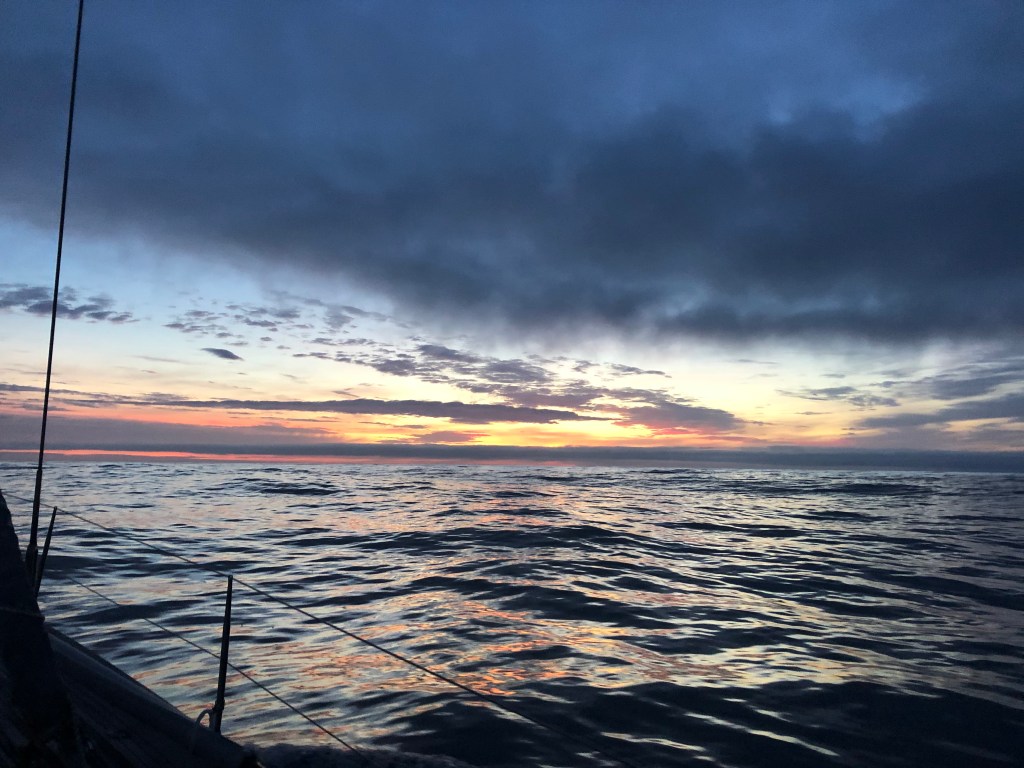
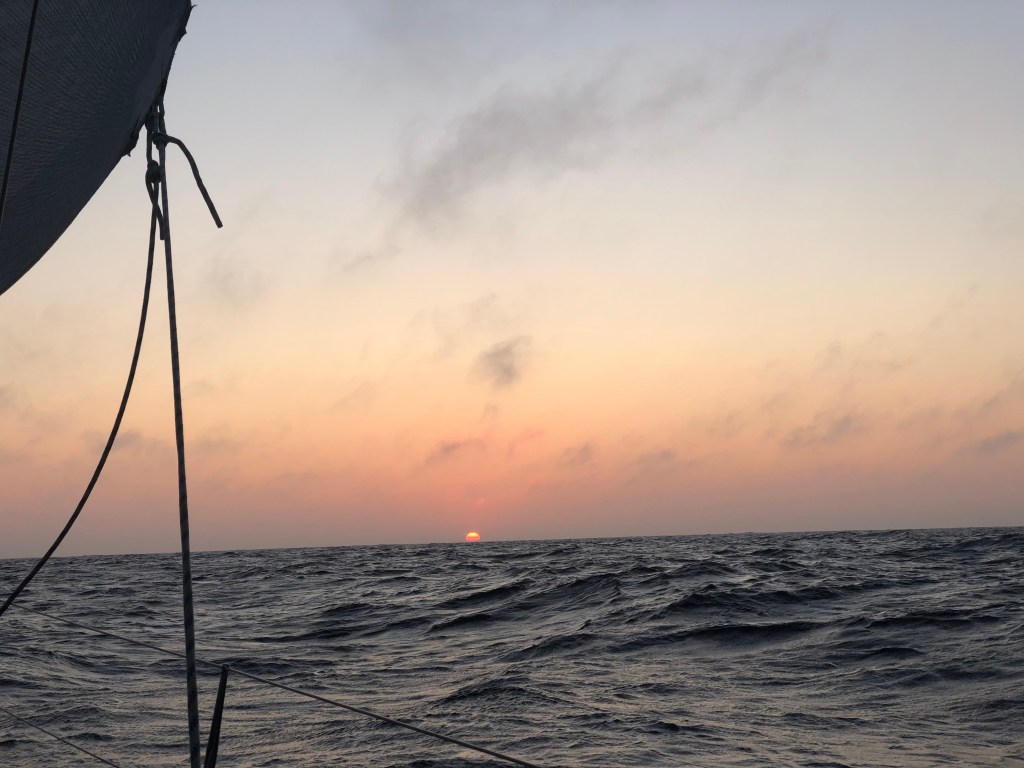
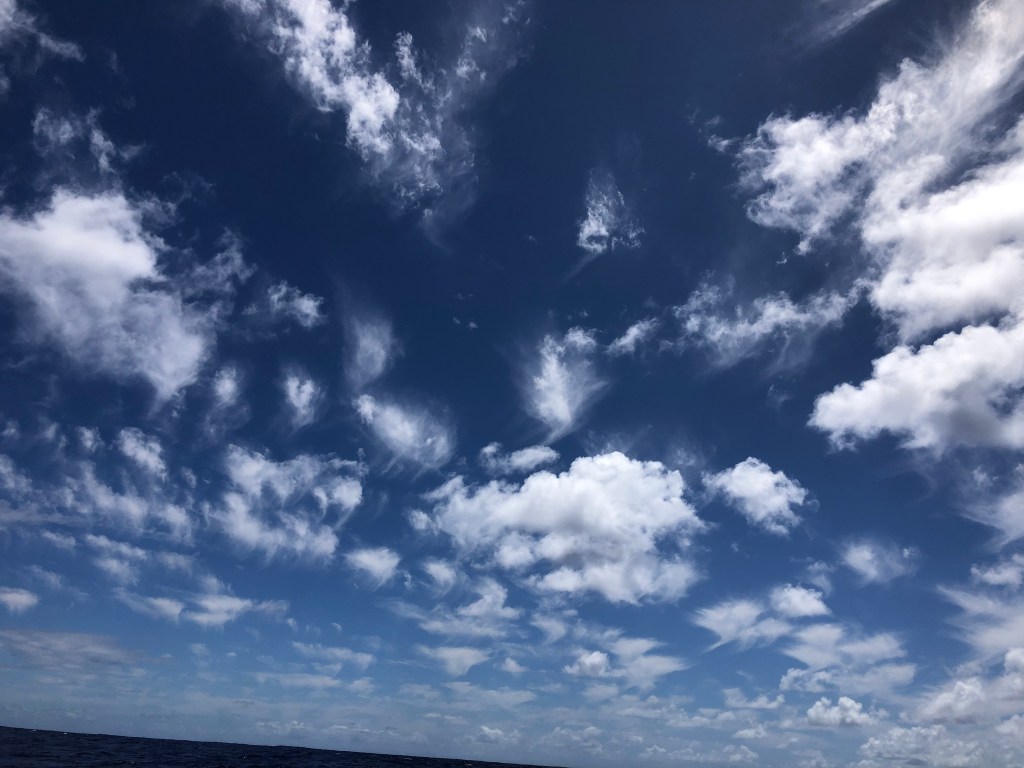
…And all kinds of weather
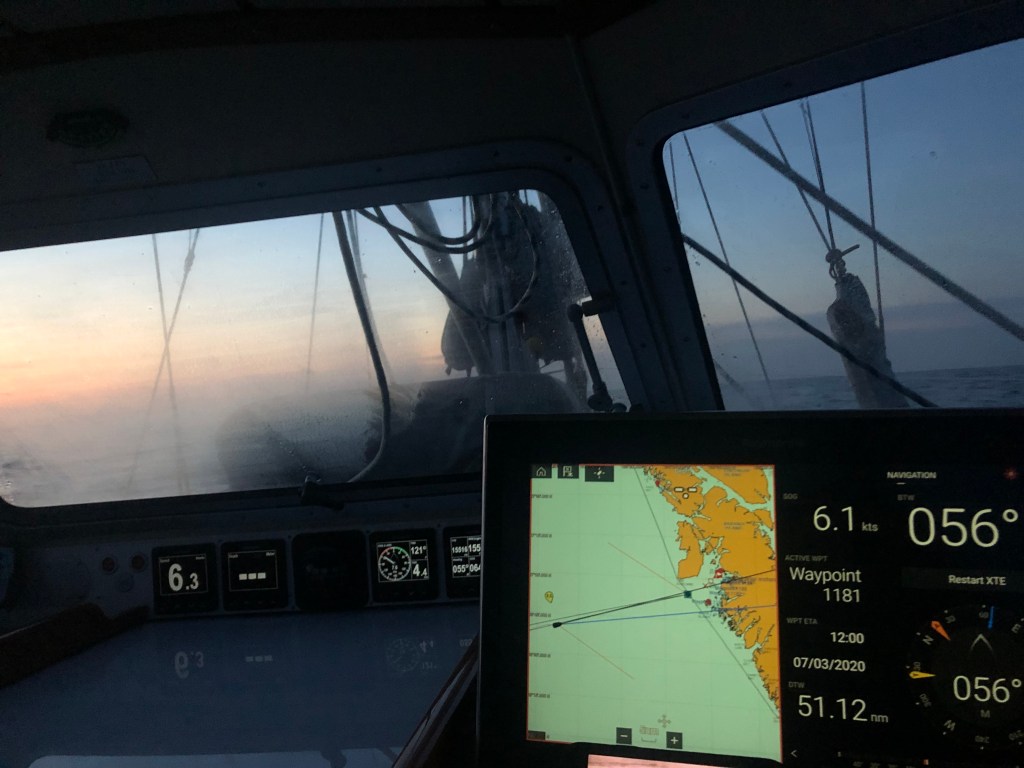
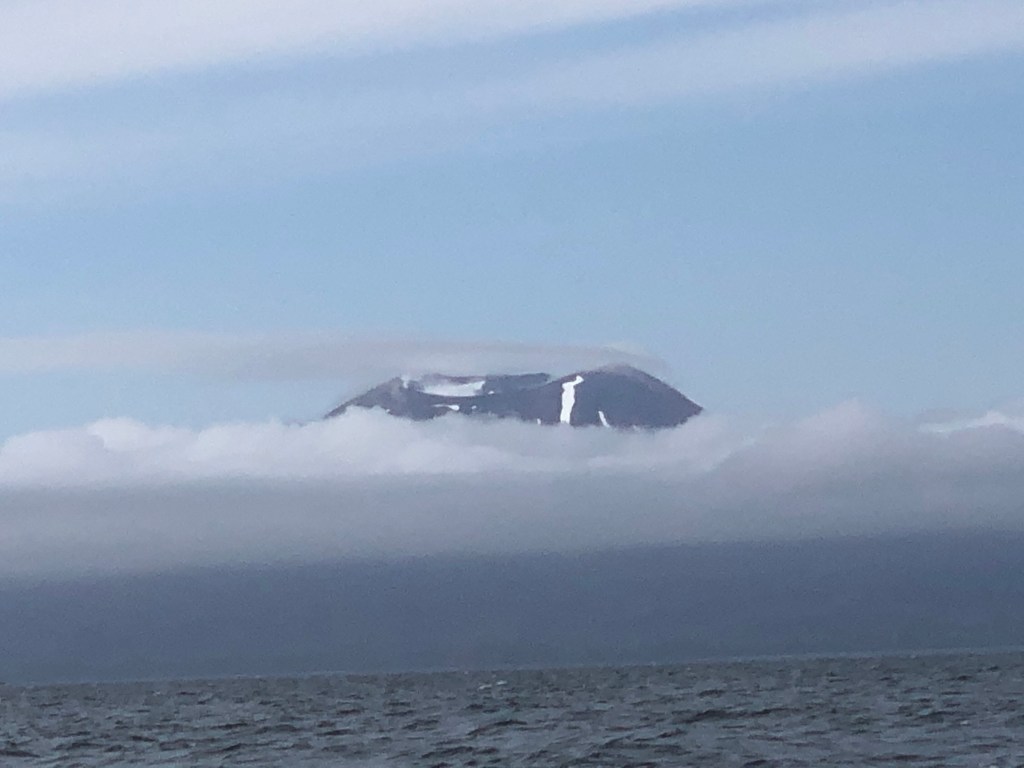
The most significant change over those days was the gradual arrival of squalls, rain, thick fog and an eventual chill in the air that turned very cold in the night by the time we made landfall in Sitka. We appreciated having radar for those foggy days and nights.
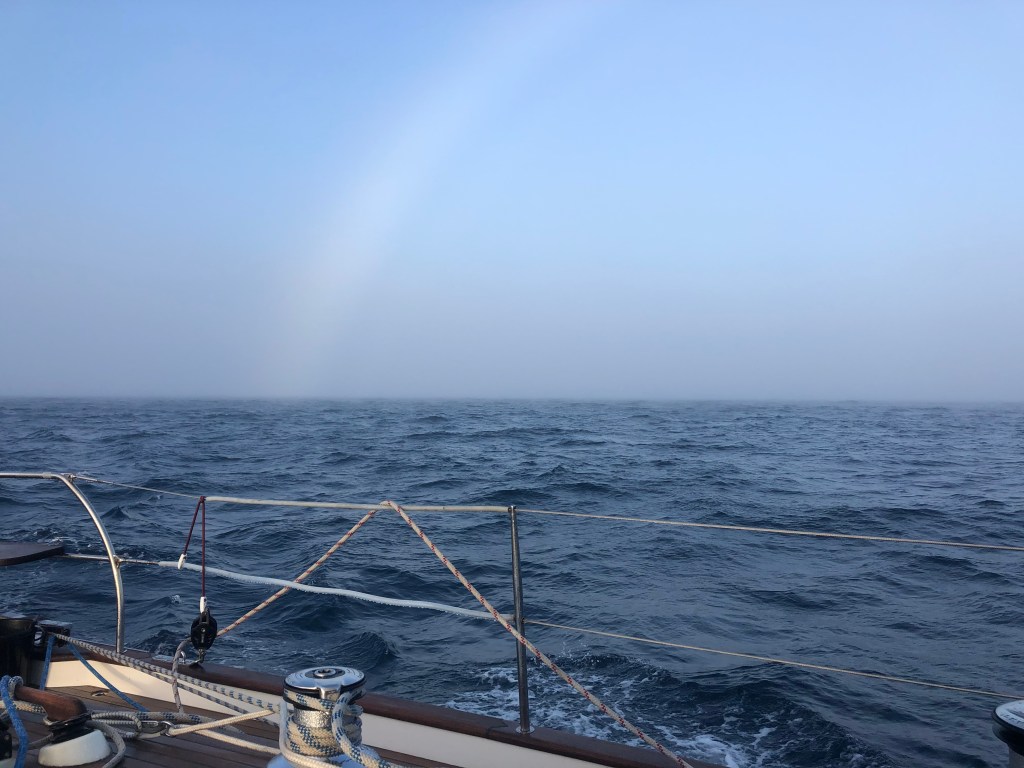
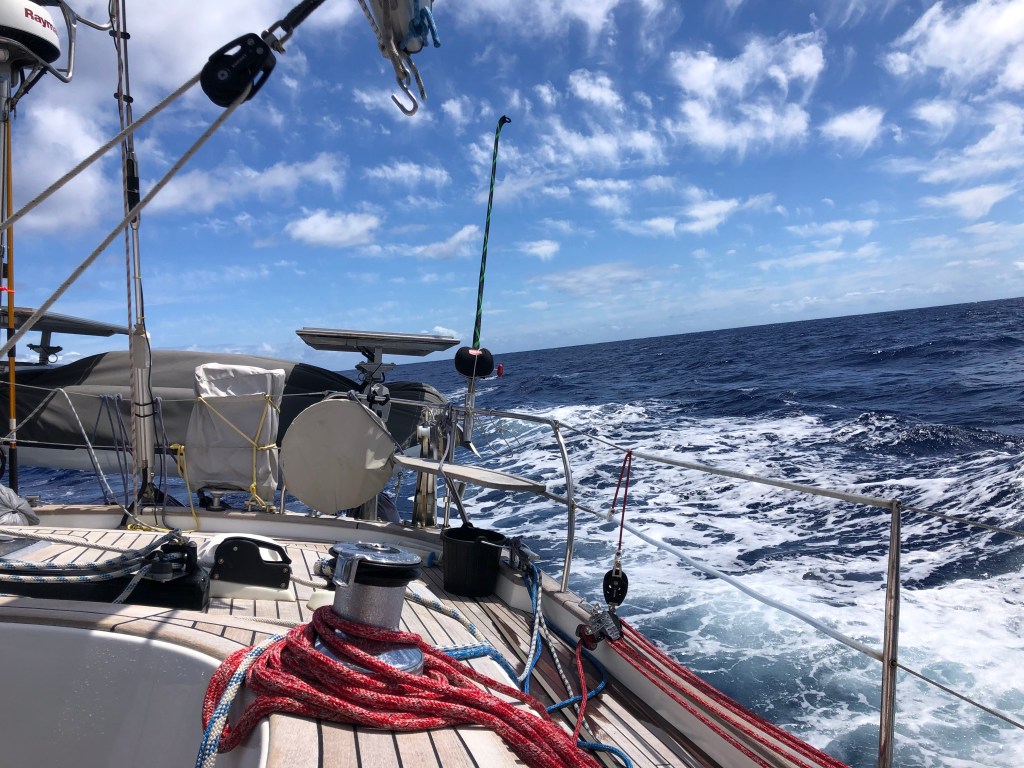
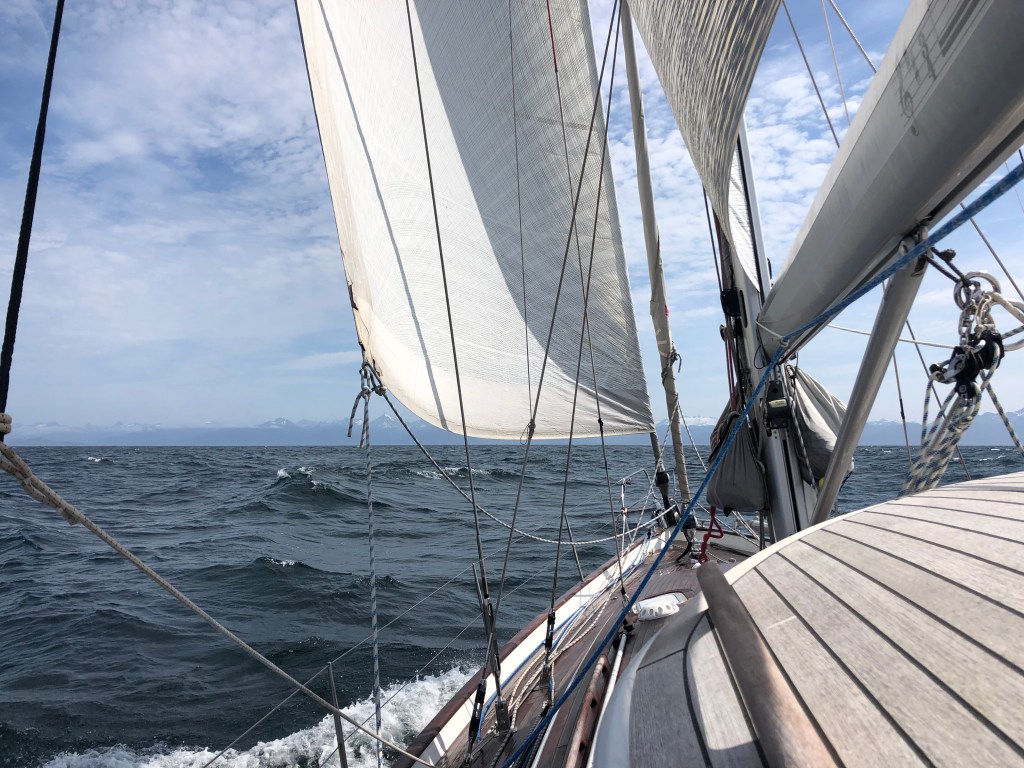
Wind from the stern
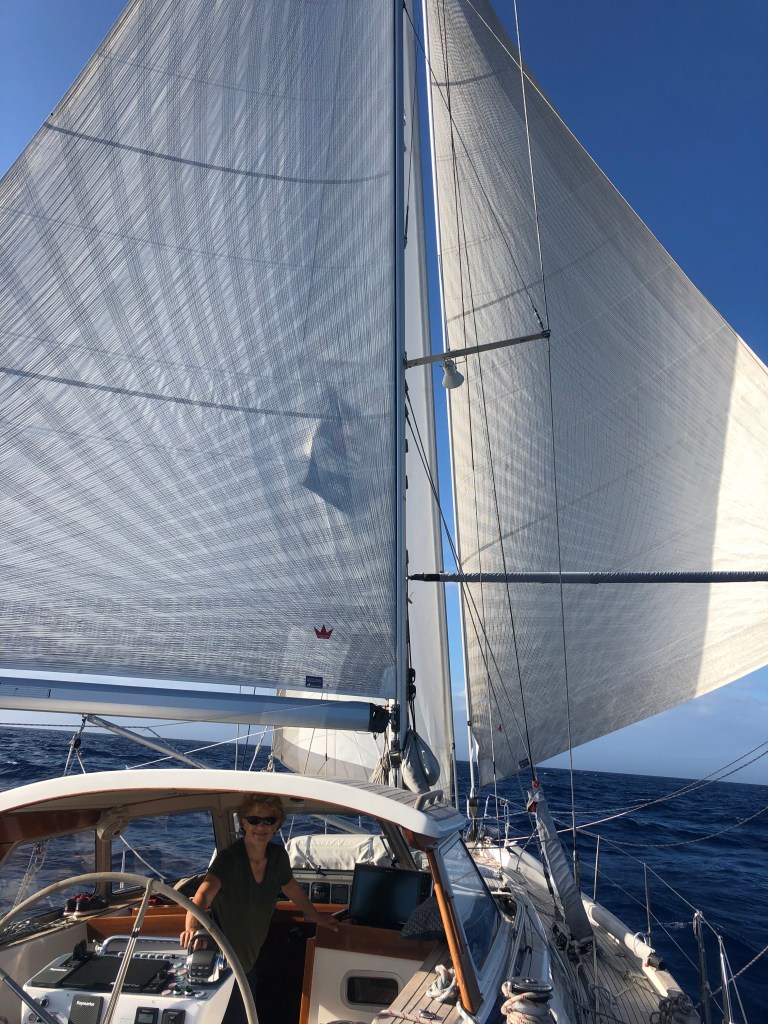
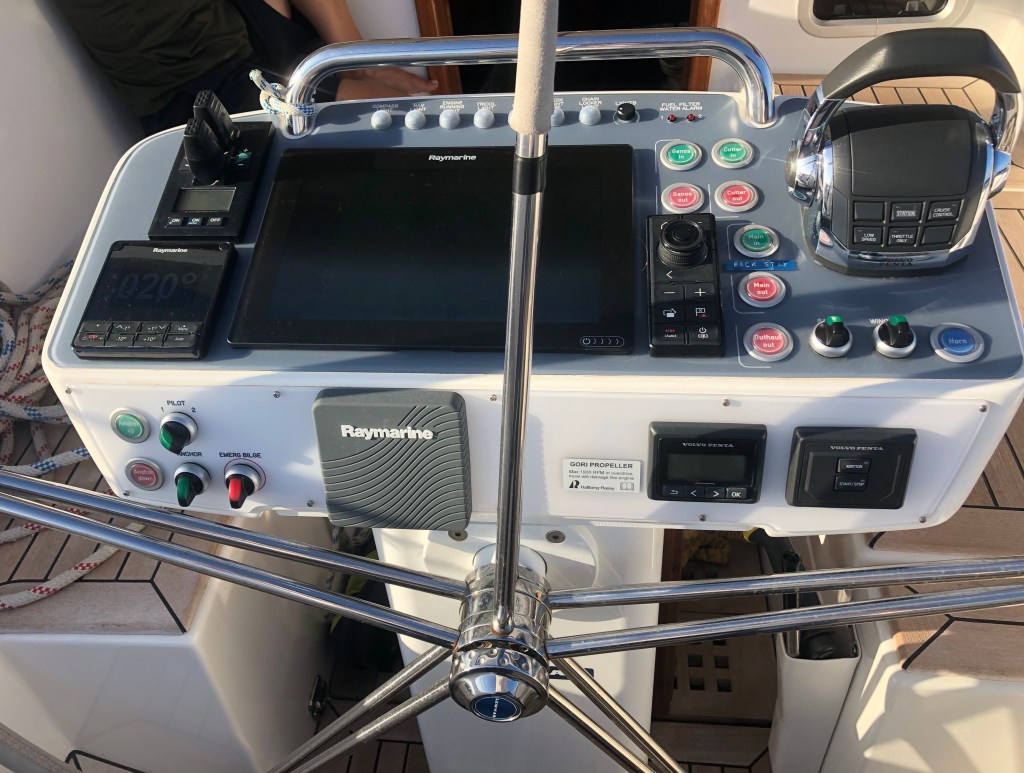
Wind From abeam
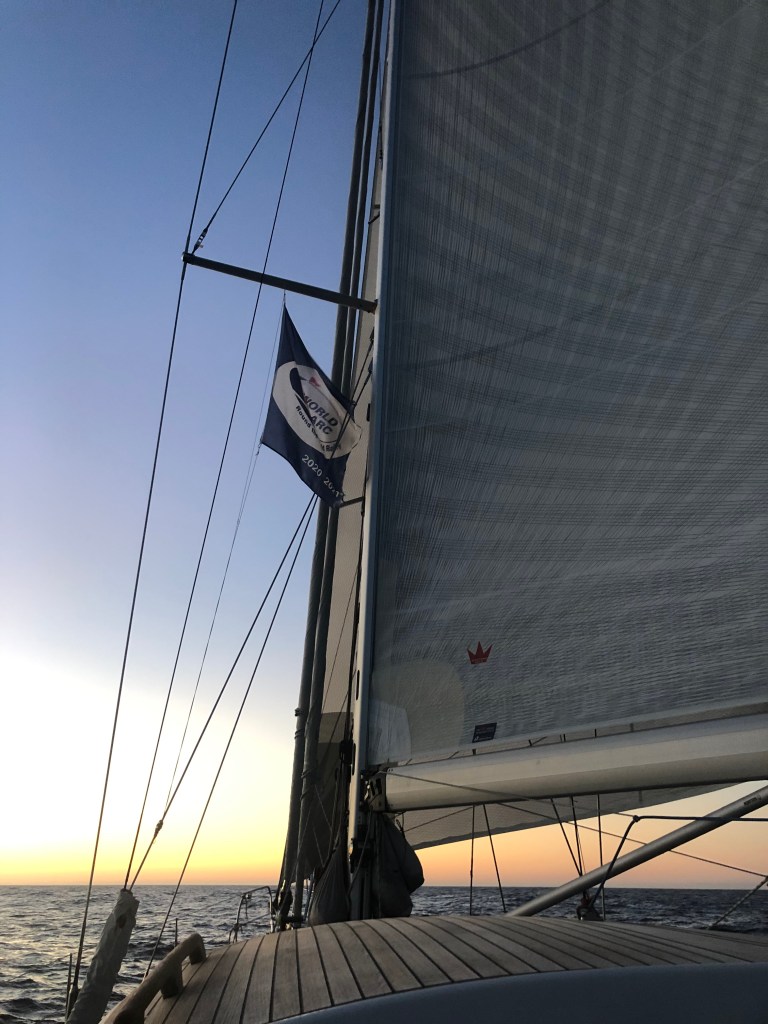
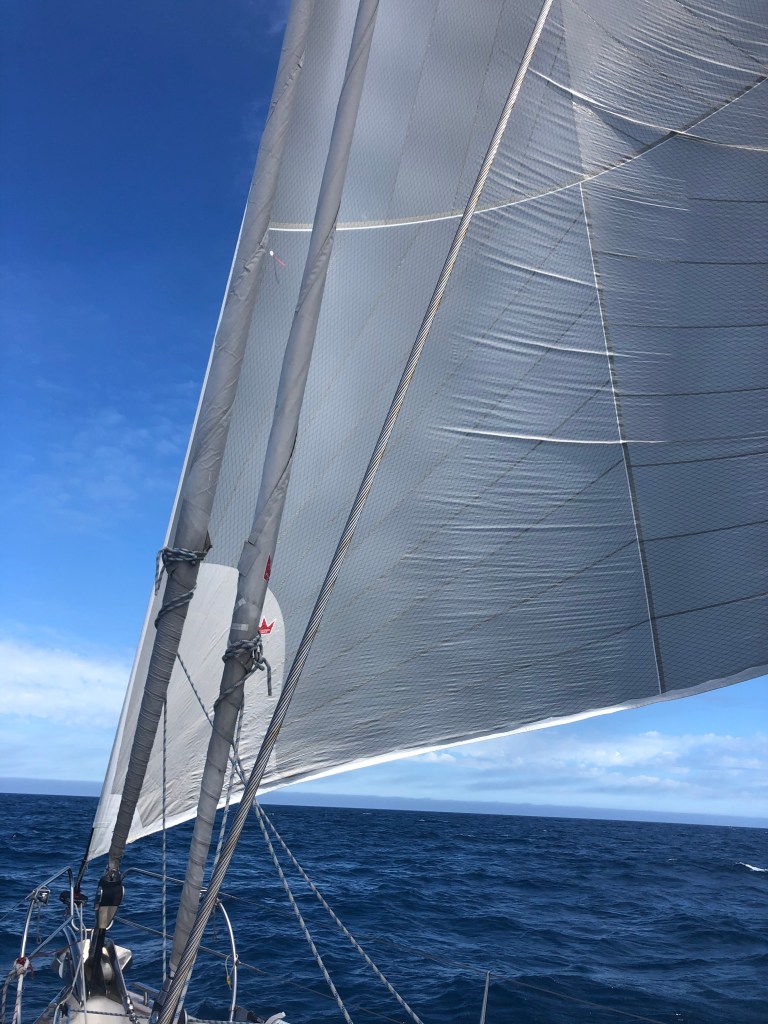
VHF BLUES
After being repaired in the Galapagos, our VHF antenna broke again and dropped down on the deck. Fortunately, we were not hit by the antenna which made an indentation on the teak deck. An order was placed in San Diego and they will ship it to us in Juneau. Meanwhile, we have 2 handheld VHFs that we use.
Weather Routing
Bruce ‘The Weatherman’ from Australia assisted us with weather routing. Usually, we do not use a weather router, but this time we had to deal with the ‘Pacific High’, which is a pocket of high pressure and no wind that moves around the north Pacific during the year. It is important to avoid this area unless you prefer to motor a lot. So Bruce gave us new waypoints every few days in order to keep us between the Pacific High and the high winds (40-50 Kts) associated with the polar lows, fast moving toward the Gulf of Alaska and north of us.
Morpheus…a rare commodity during passages
The biggest downside of such a long passage, for a crew of two, is lack of sleep. We did shifts of 4 hours on and 4 hours off. The one upside to this is that you always have a warm bunk to climb into! During our shifts in the cockpit we listened to music, podcasts and we watch movies that we downloaded before the passage. Naturally, we always paid attention to the surroundings and kept situational awareness.

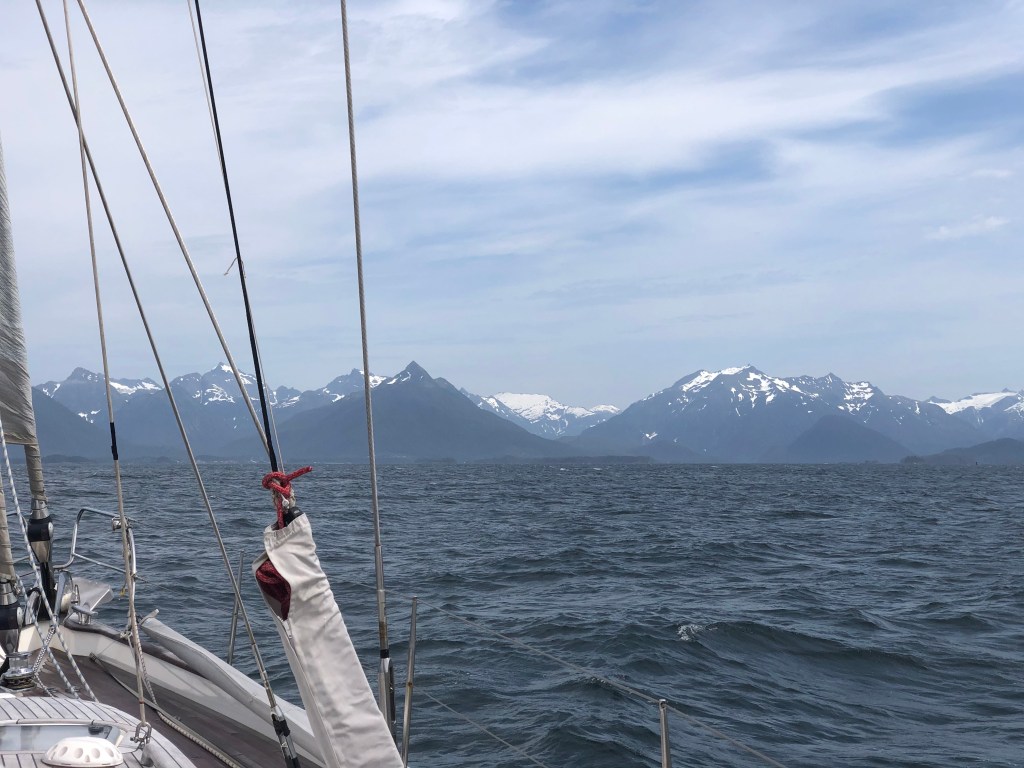
Land HO!

 The Adventures of SV JAN