

Traveling through Northland (the area of the North Island north of Auckland) by car mandates a trip to see the Kauri forest. The magnificent Kauri tree has become for us one of the most enchanting symbols of New Zealand.
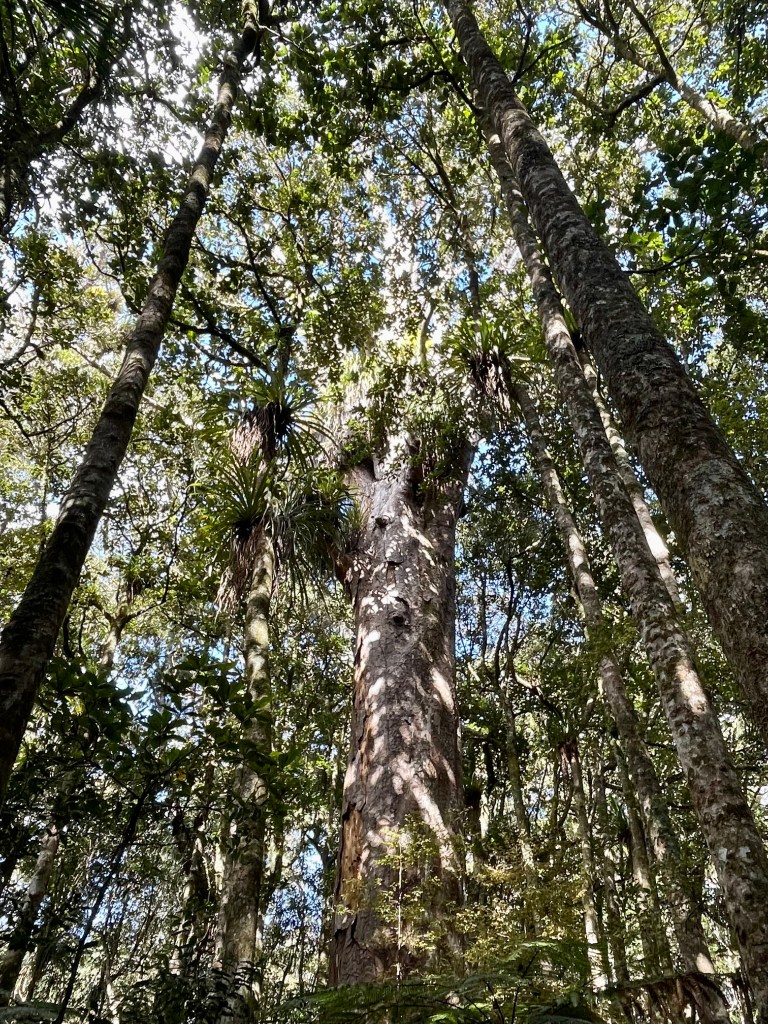
Kauri trees are among the largest and oldest trees in the world. The largest Kauri trees reach more than 50 meters tall, have trunk girths up to 16 meters, and sprang from seed sprouted as long as 2,000 years ago. Its wood was considered the highest quality for the construction of ships and houses during the late 1800s and early 1900s. During that time, loggers depleted huge areas of forest, making Kauri wood one of the most important exports out of New Zealand.
The Kauri Museum
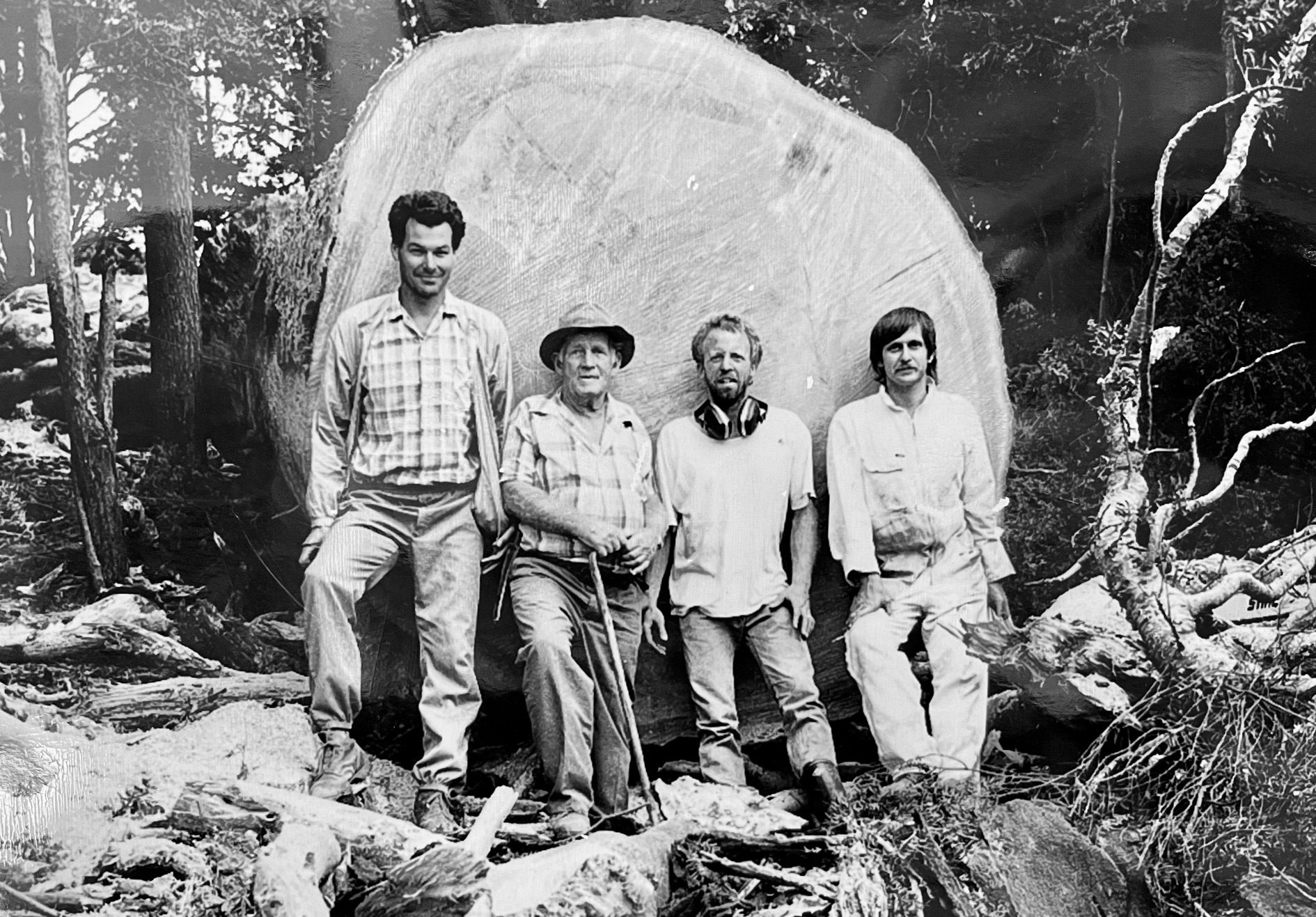
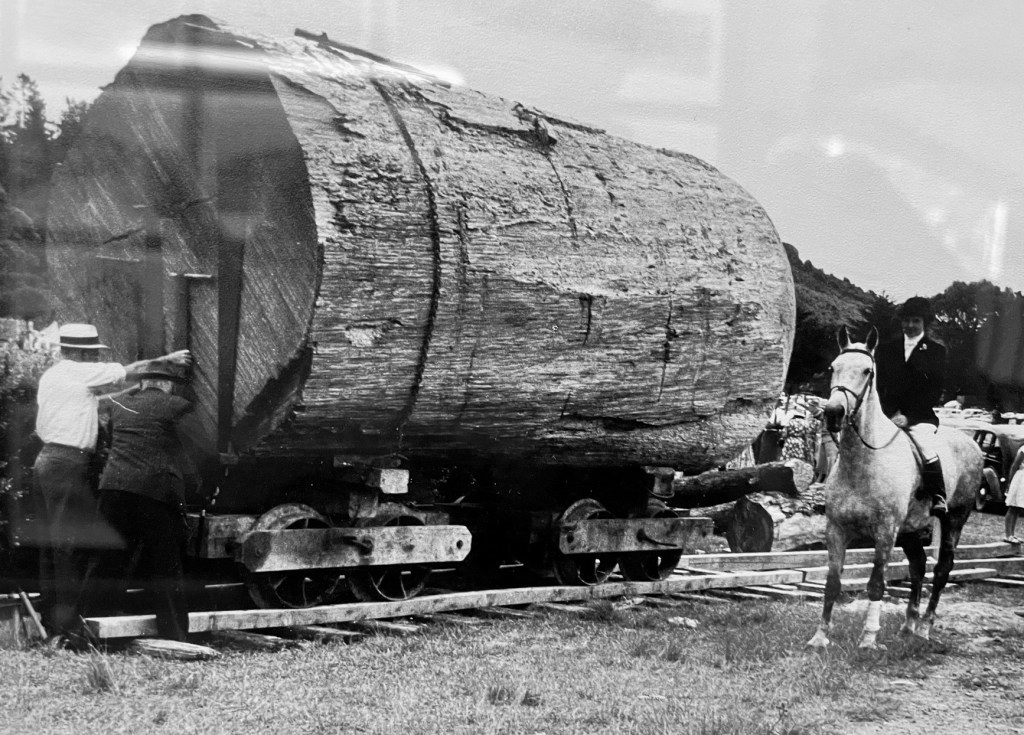
Old photos of loggers and the equipment used to move the Kauri logs out of the forests.



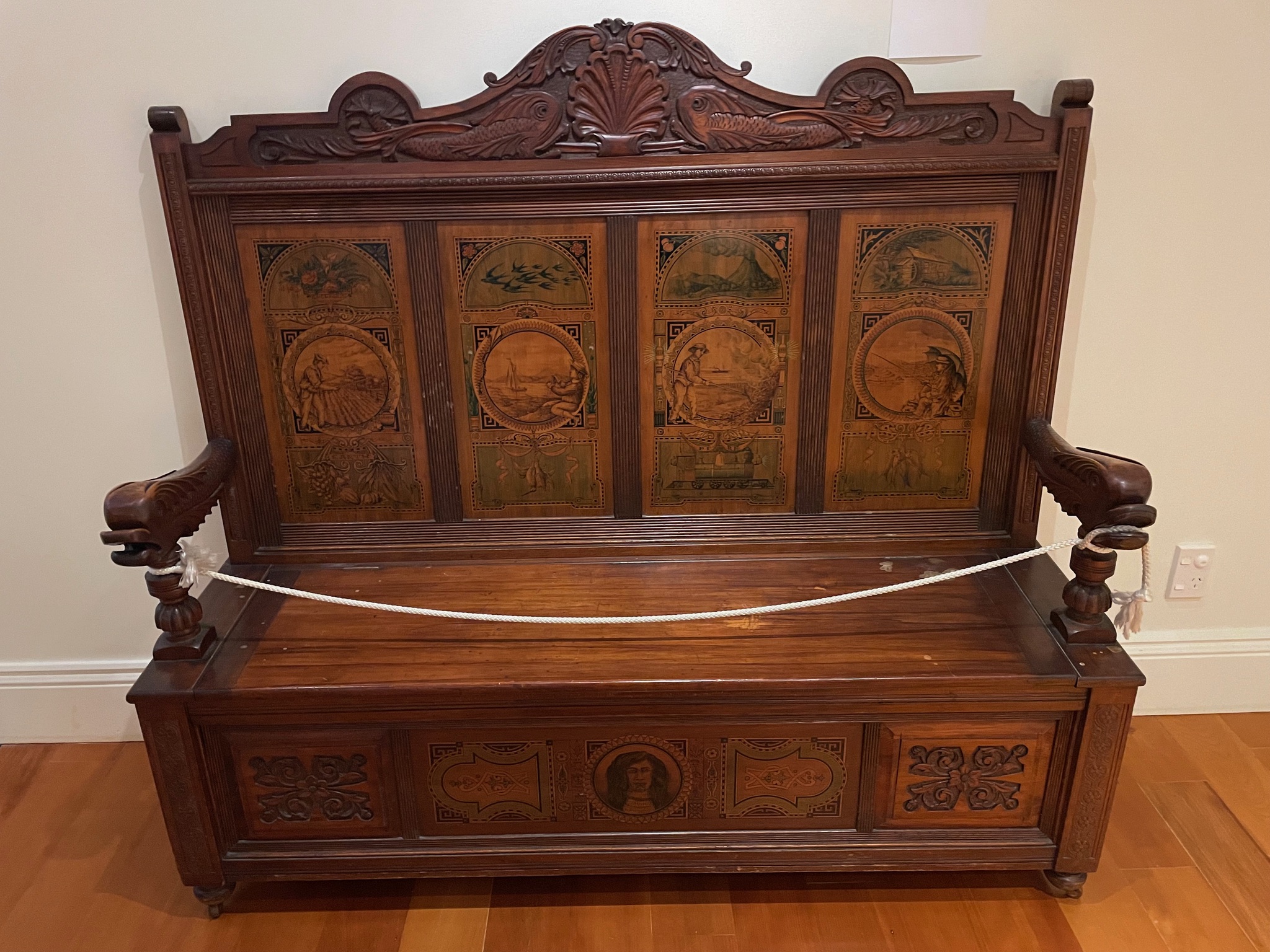
Beautiful furniture and a sailboat made from Kauri lumber.



After visiting the Kauri Museum in Matakohe, we headed to the forest. Of all New Zealand’s Kauri forests, none is more famous than the Waipoua Forest on the west coast, just north of Dargaville. As the largest remaining area of native forest in Northland, Waipoua is full of towering Kauri trees and rare birds.
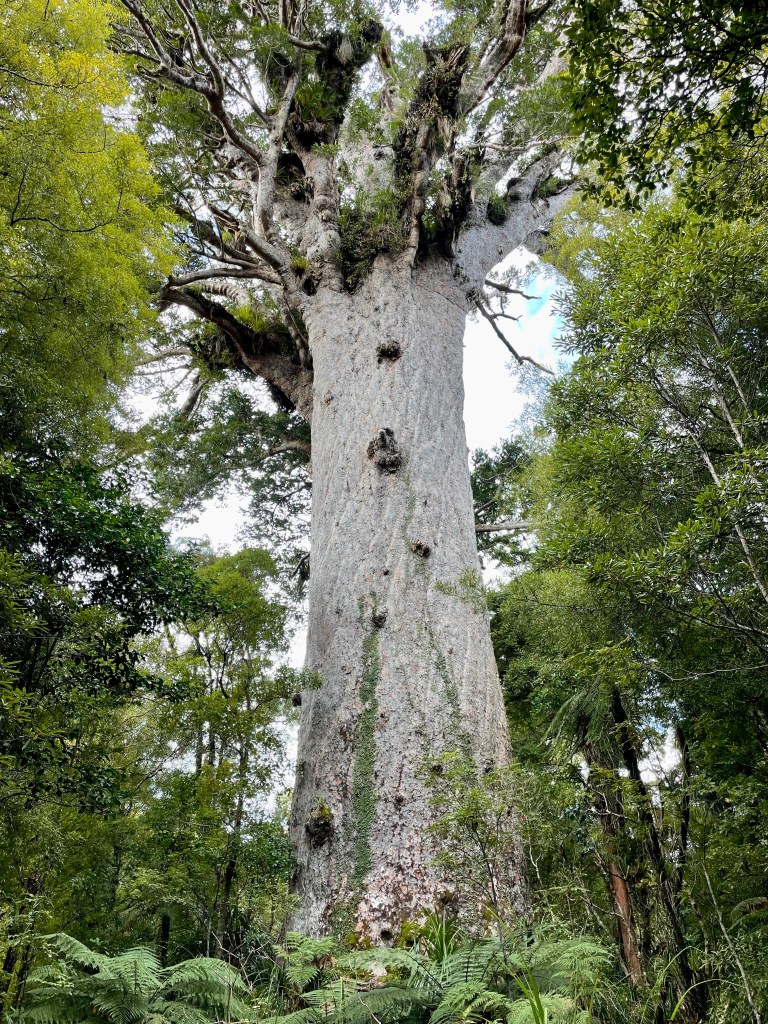
This forest is the home of Tāne Mahuta, the country’s largest Kauri tree, which is approximately 2,000 years old and still growing. Nearly 18 meters to the first branch and 4.4 meters in diameter, Tāne Mahuta is rightly called “The Lord of the Forest”.
Another significant Kauri tree in the Waipoua Forest is Te Matua Ngahere –”Father of the Forest”– which is estimated to be between 2,500 and 3,000 years old.

Unfortunately, the Kauri tree is endangered because of the excessive logging that took place over the years, especially in the mid 1900s due to the need for lumber in wartime boat building. Today, another significant threat is a rapidly spreading fungal disease known as Kauri dieback disease, which restricts the ability of the Kauri to transport water and nutrients between their roots and their leaves, eventually starving and killing the tree.
Kauri Gum: the Amber of New Zealand
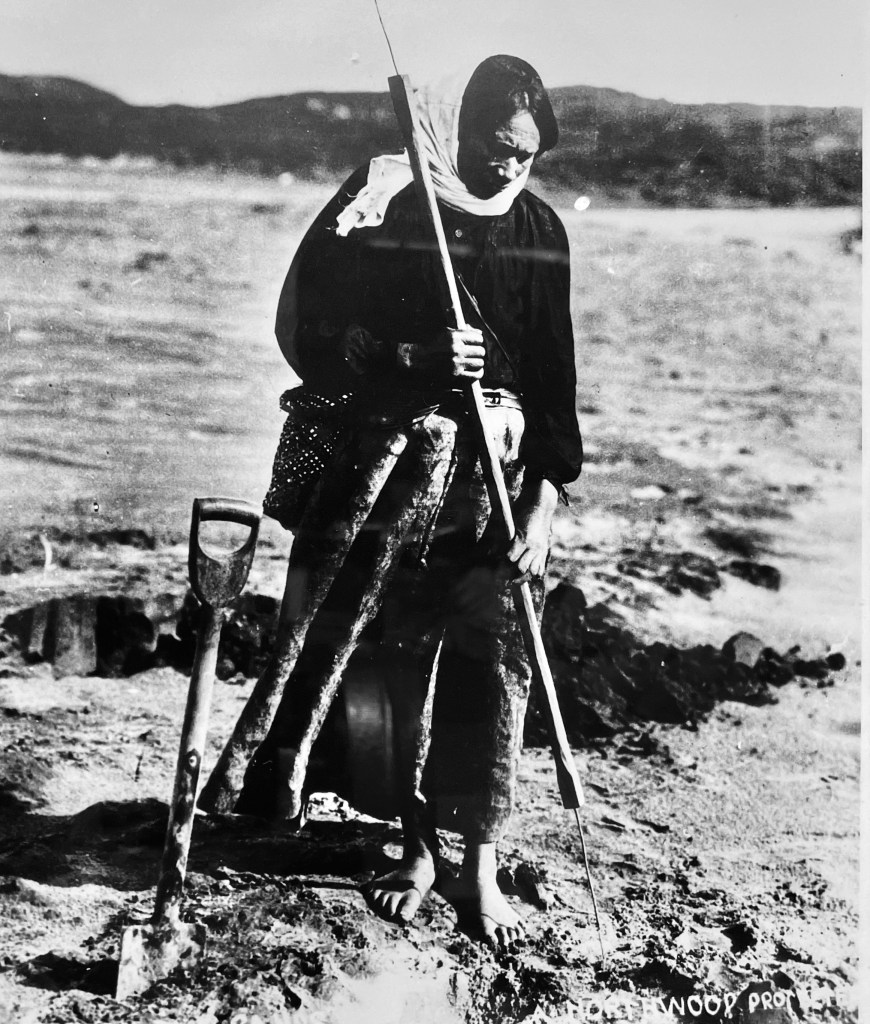
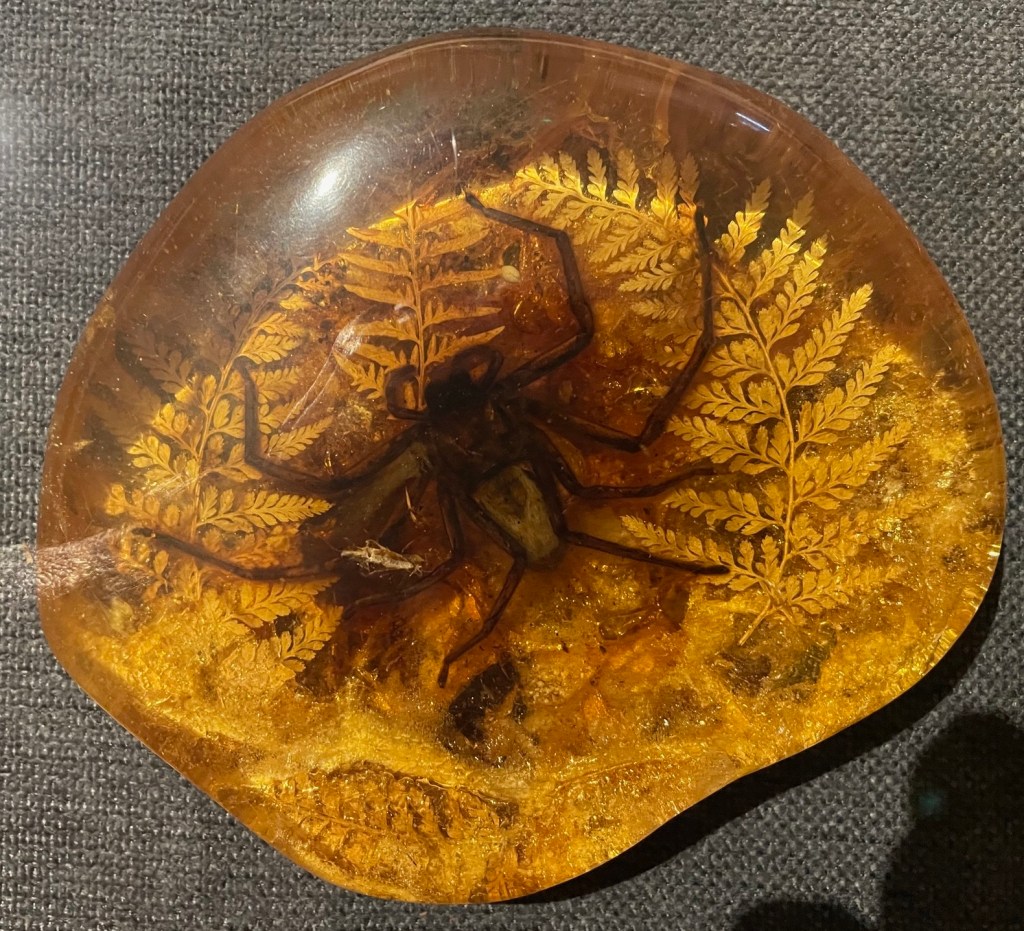
The resin from the Kauri tree is known as Kauri gum and had many uses in ancient Māori life: it was used to start fires or make torches, the powder from the burnt gum was used for tattoos, and the hardened, fossilized gum used for jewelry and decorative items. Another one of New Zealand’s biggest exports in the 1900s, it was used in varnish and linoleum for many years.
Due to the rarity of quality-fossilized gum, the prices are increasing at a rapid rate. A quick search of the Internet shows a few sites selling Kauri gum with prices from ten dollars to many thousands of dollars for a quality piece.


 The Adventures of SV JAN