
The people of Aotearoa, New Zealand, have been affectionately called “Kiwis” since the early 1900s— a nickname that was started by cartoonists during WWI. The name originated from the Kiwi bird, a native flightless bird that is also a national symbol for the country.
The term “Kiwi” is a source of pride for most New Zealanders. A significant national icon, the Kiwi bird is cherished among all cultures in New Zealand. In particular, the indigenous Māori have strong cultural and spiritual connections to the Kiwi. It is a symbol for the uniqueness of New Zealand wildlife and the importance of their natural heritage.
New Zealand is a country of immigrants of many different origins and Kiwis are a unique mixture of people with a great sense of pride and strength of character. Today the population of Kiwis includes 60% people of European descent, 17% Māori, 15% Asian, and 8% non-Māori Pacific Islanders. However, the first inhabitants were the Māori who arrived 1000 years ago.
Ethnic Origins: Indigenous Māori


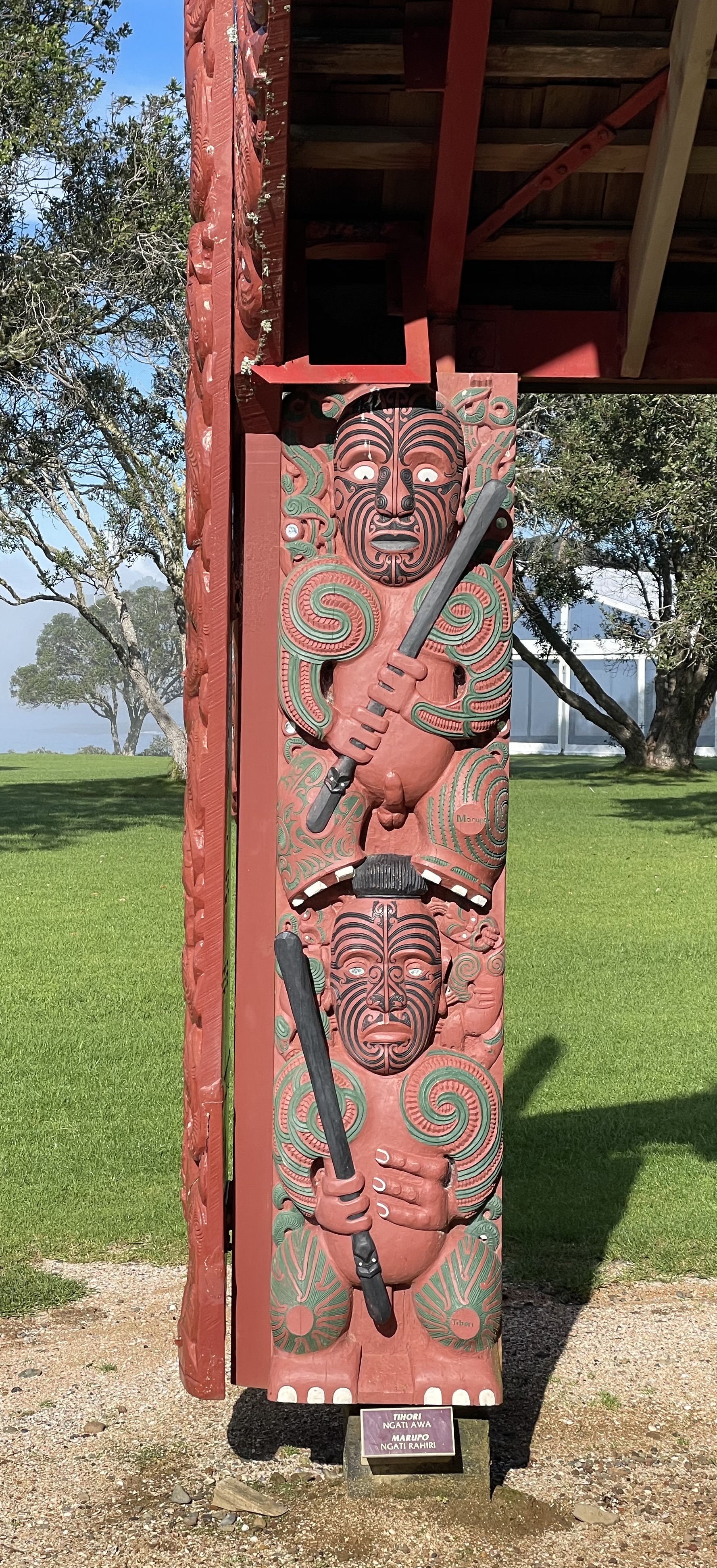
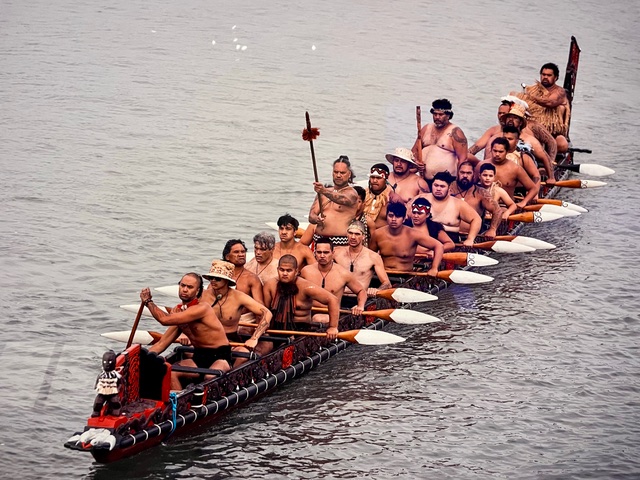
Historians estimate that around 1000 years ago, the ancestors of the Māori voyaged from Polynesia thousands of miles across the Pacific Ocean in waka (small canoes/catamarans) and became the first inhabitants of New Zealand. These people were adventurous and self-sufficient navigators, determined to find new land where to settle and expand.
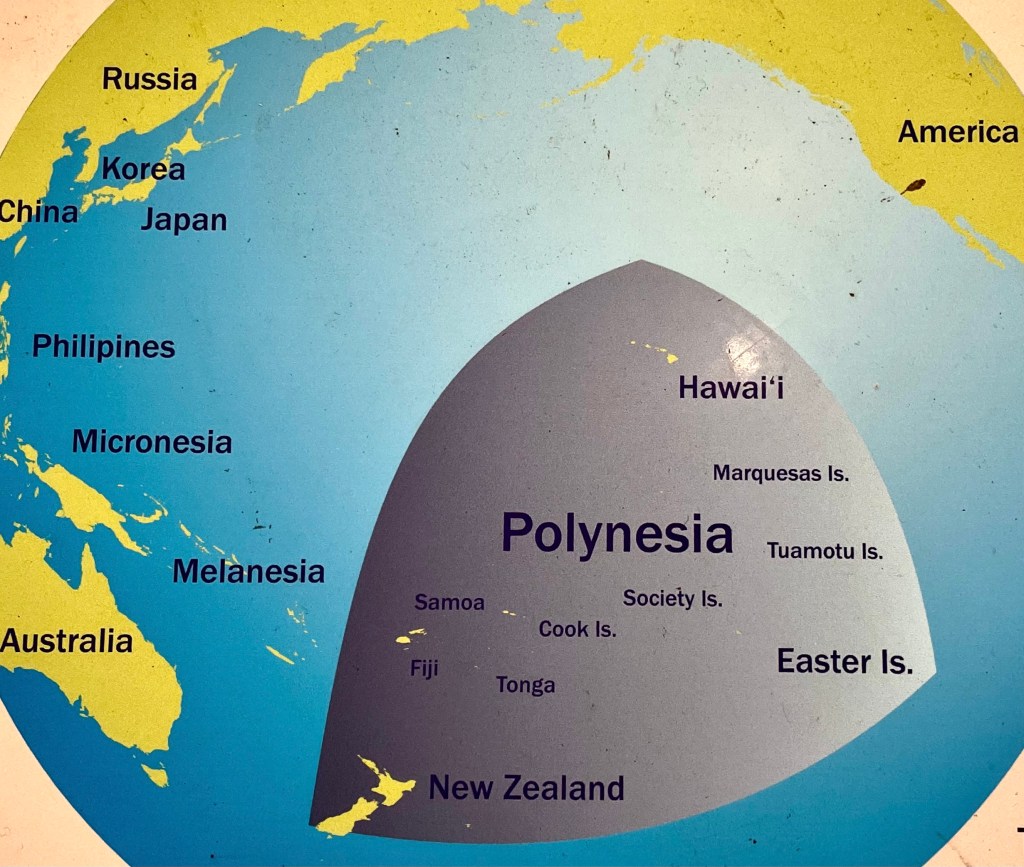
Ancient Mariners—Māori and the Waka
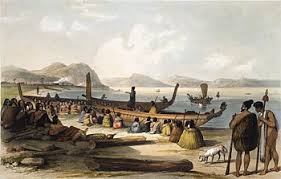

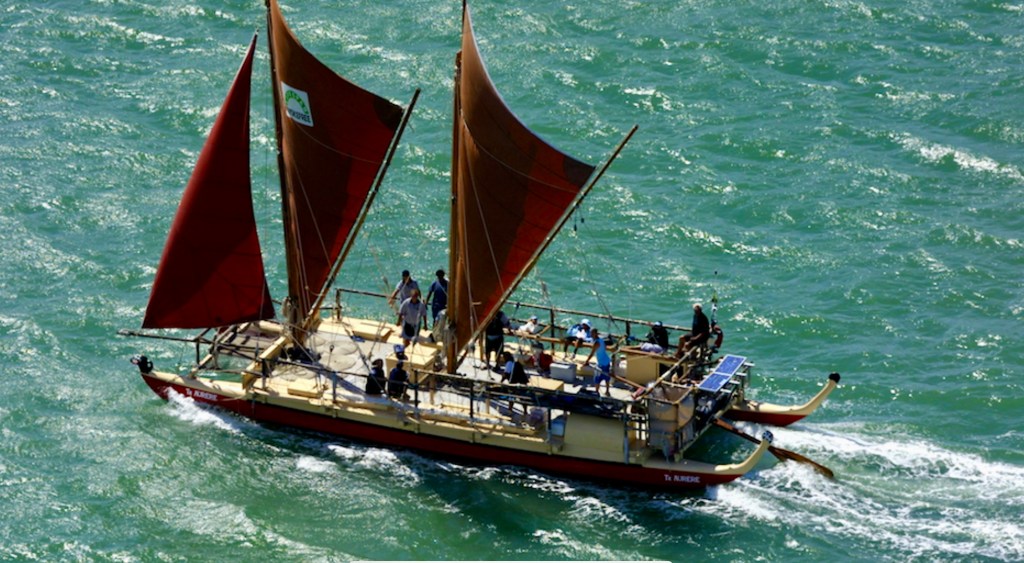

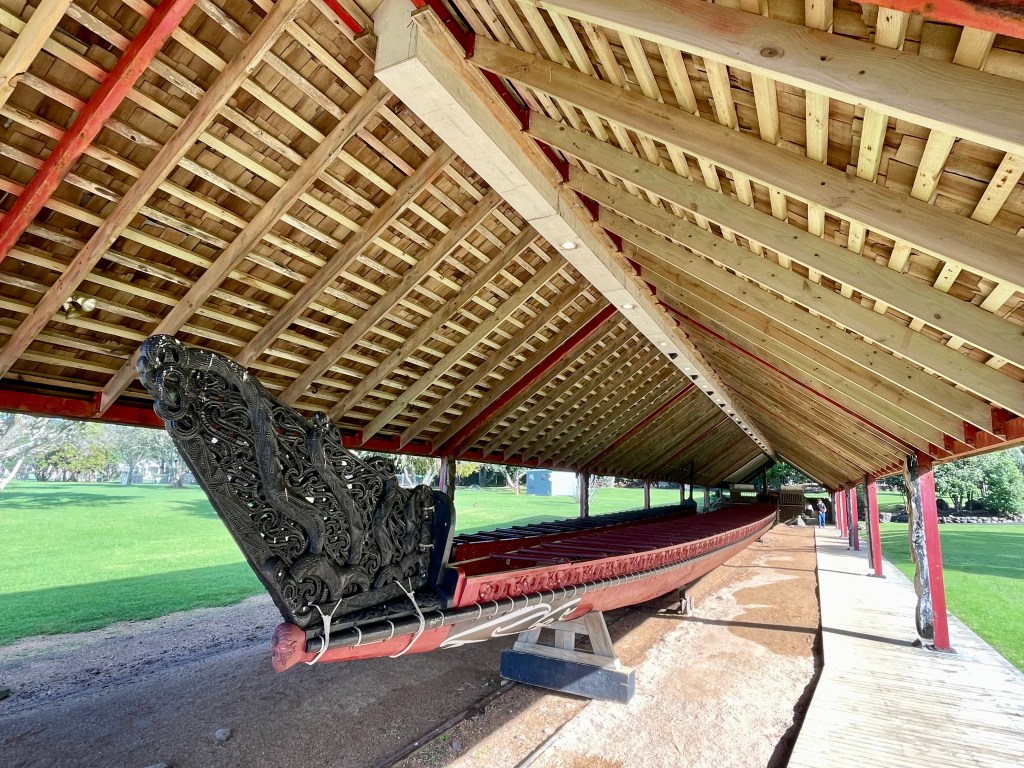
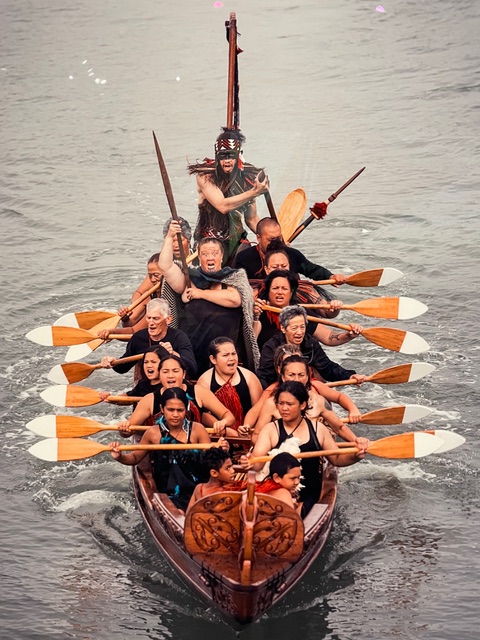
The waka was a boat which could be either a monohull (used by the Maori people), or a double-hull, also known as a catamaran (the one used by the Polynesians), for ocean voyages. Catamarans were preferred for stability because a monohull could tip over easily. The hulls were used for storage, and, in the catamaran, there was a platform between the hulls for the sailors to stand on, and for the women and animals to find protection. The waka also had a steering paddle, although the main steering was done using the sails. These navigators used environmental guides such as the stars (Southern Cross), birds, clouds, ocean swells and fish to guide them.
Arrival of Europeans—Captain Cook and the HMS Endeavour
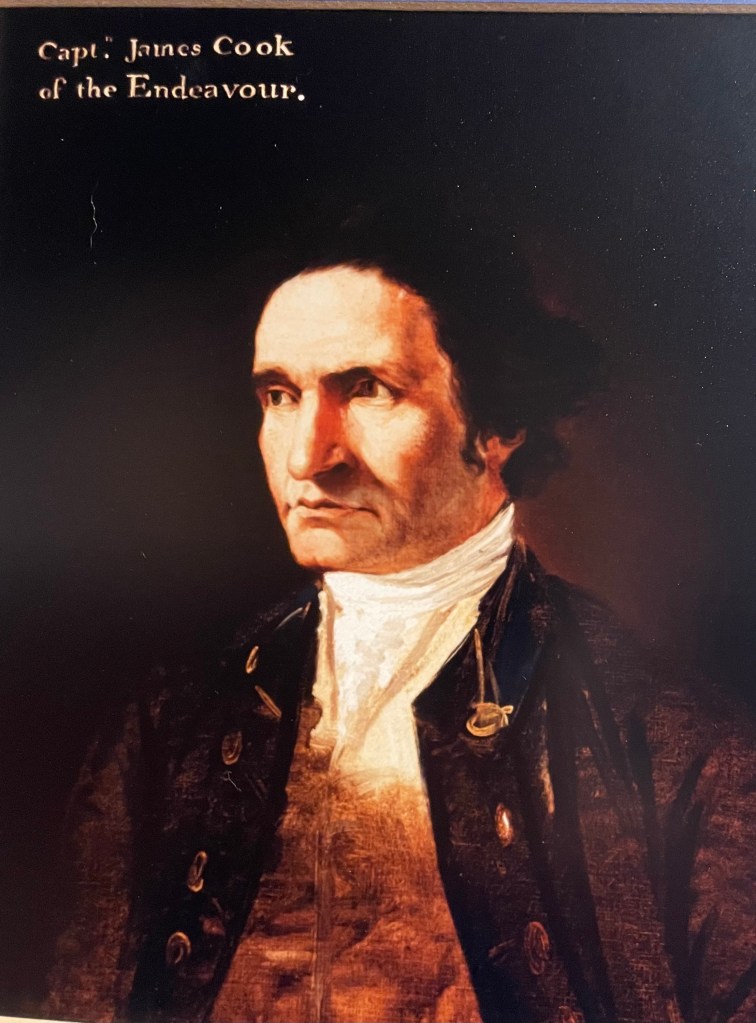
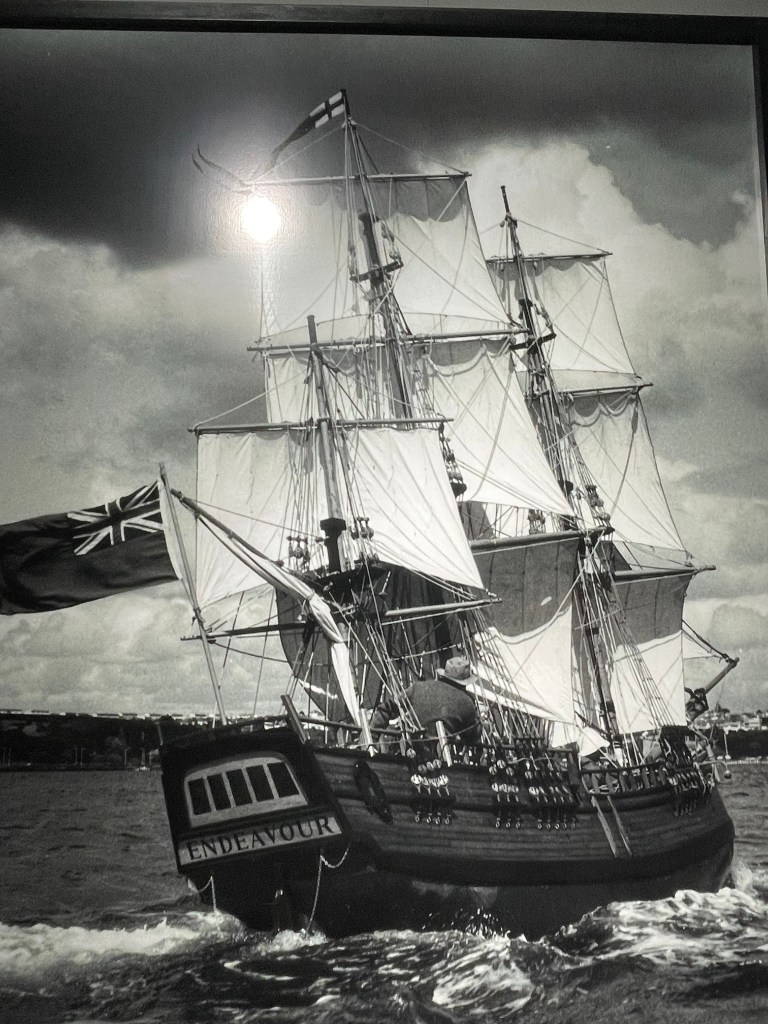
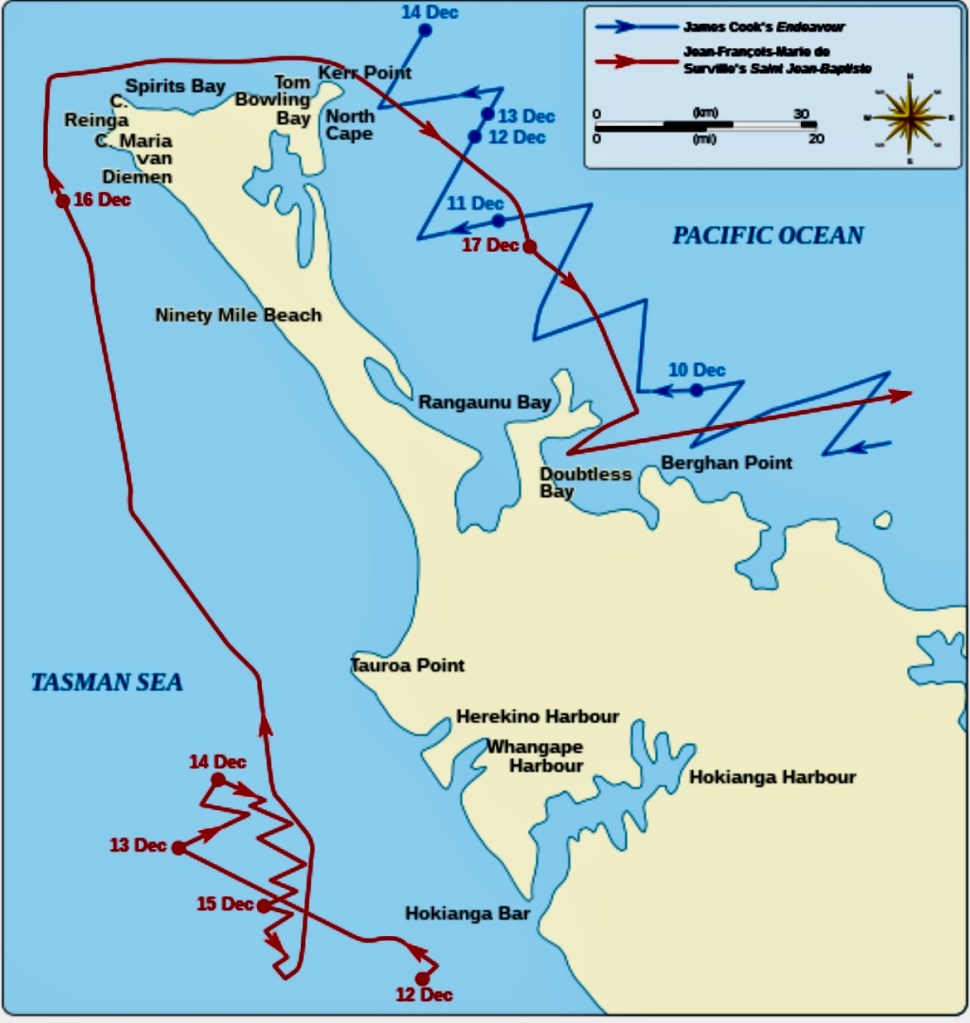
Although a Dutch explorer first sighted New Zealand in 1642, the English Captain James Cook on the ship Endeavour was the first explorer to circumnavigate and map the country in 1769. Unknown to him, at the same time, captain Jean-Françoise Marie de Surville on the French ship St. Jean Baptiste, was exploring New Zealand north island. From their log books, the two ships passed about 30 miles from each other without knowing it.
New Zealand and the History of its Government
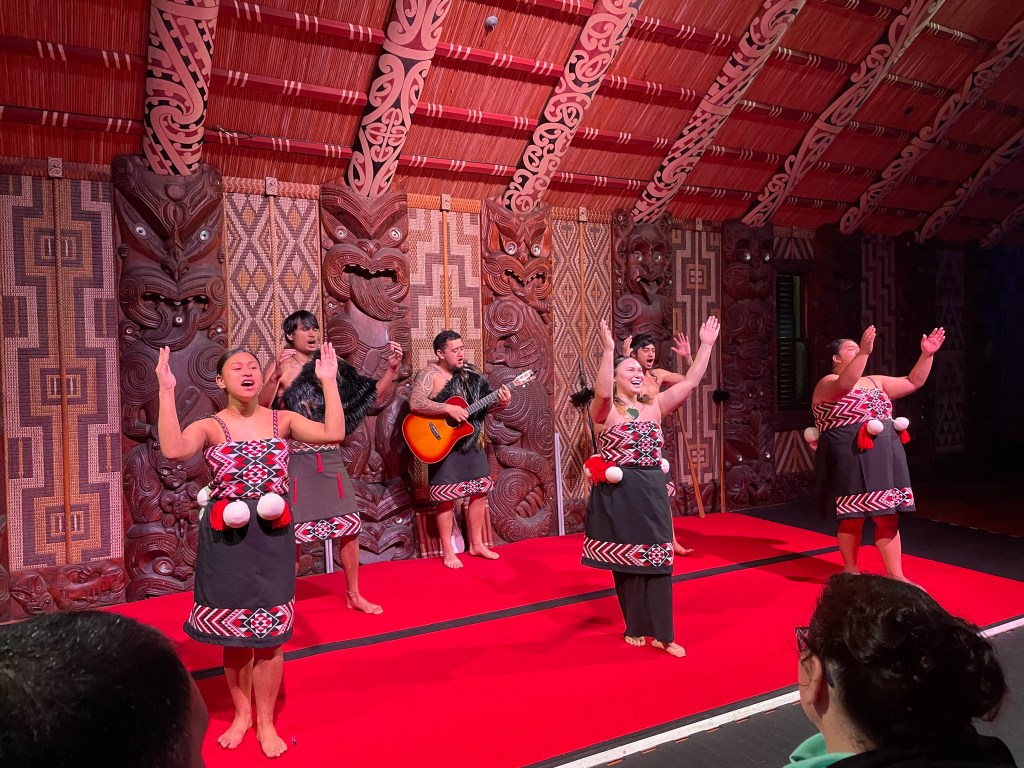
Before the arrival of Europeans, the Māori lived in small tribal groups with a rich culture of spoken stories and traditions of warfare. There was no written word, and they communicated through symbolism. The detailing in carvings, knots, and weavings were the way Māori recorded stories, while traditional songs and dances shared the folklore of their ancestors.
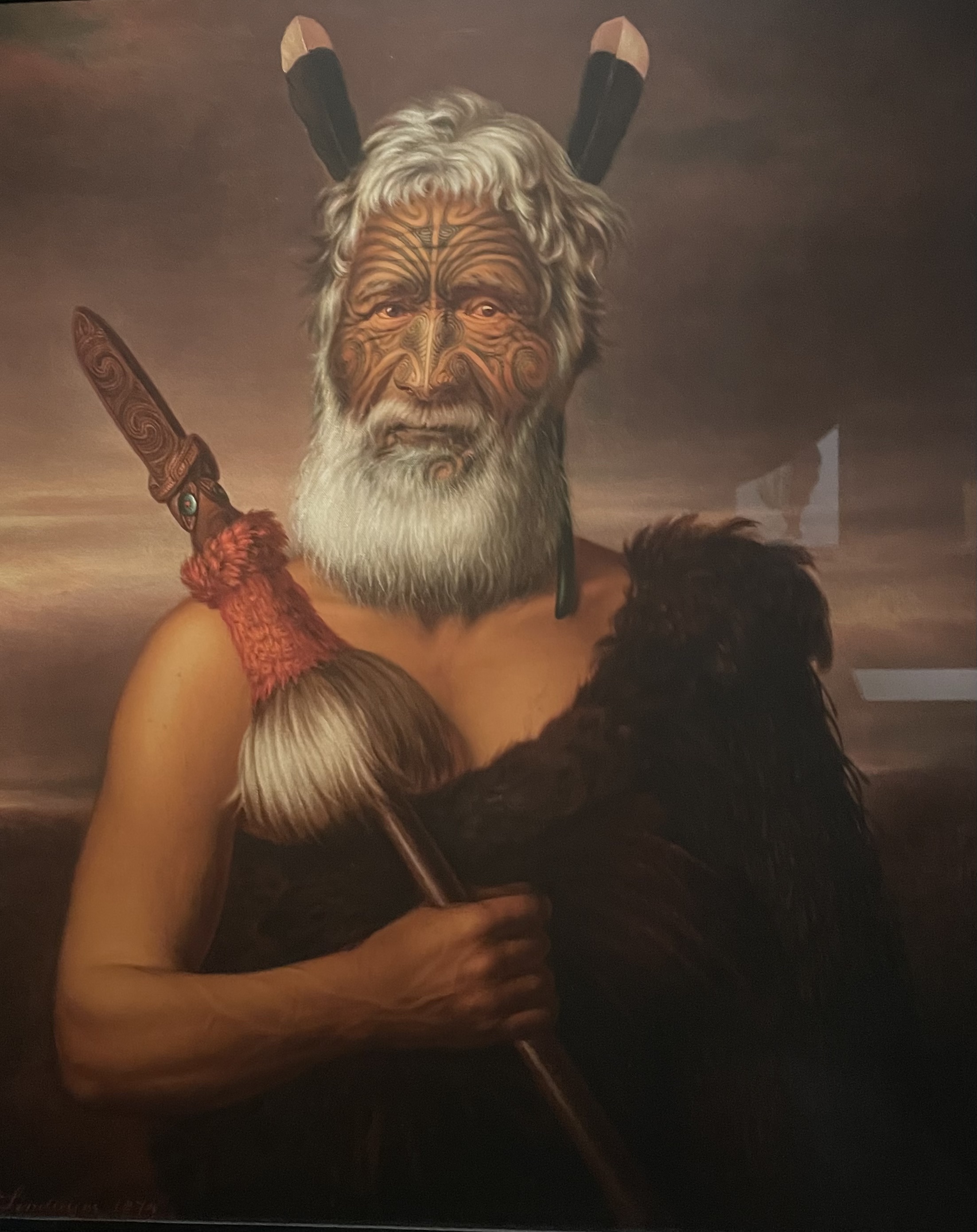
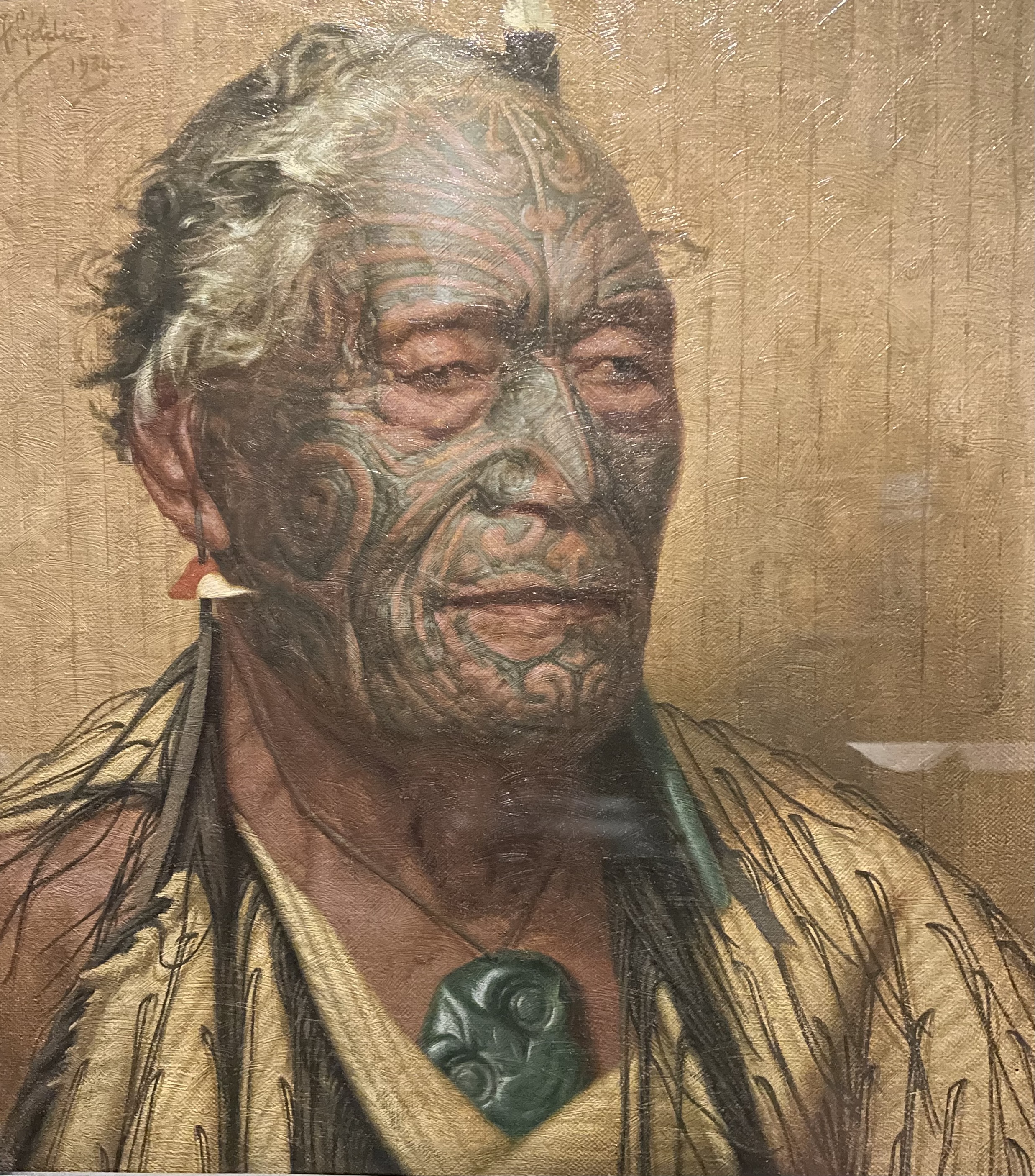
Below: paintings of 19th century Māori chiefs with characteristic facial tattoos.
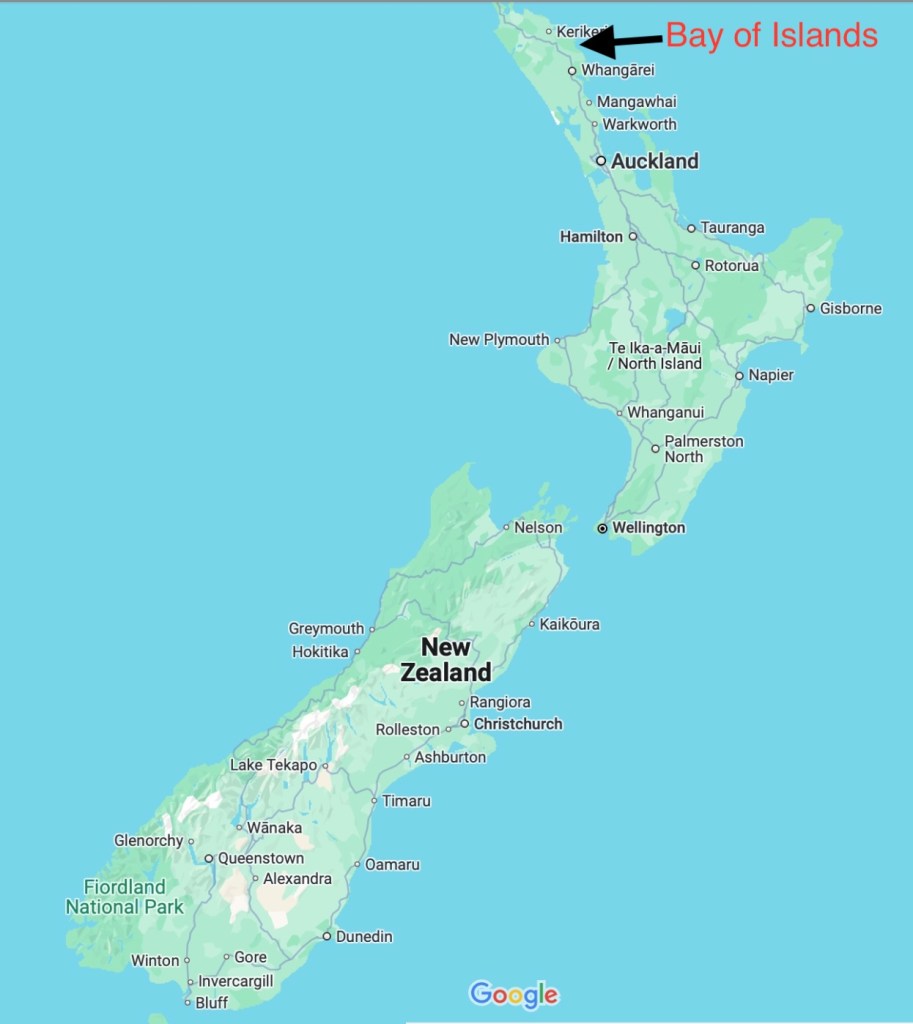
Bay of Islands, Birthplace of the Treaty of Waitangi

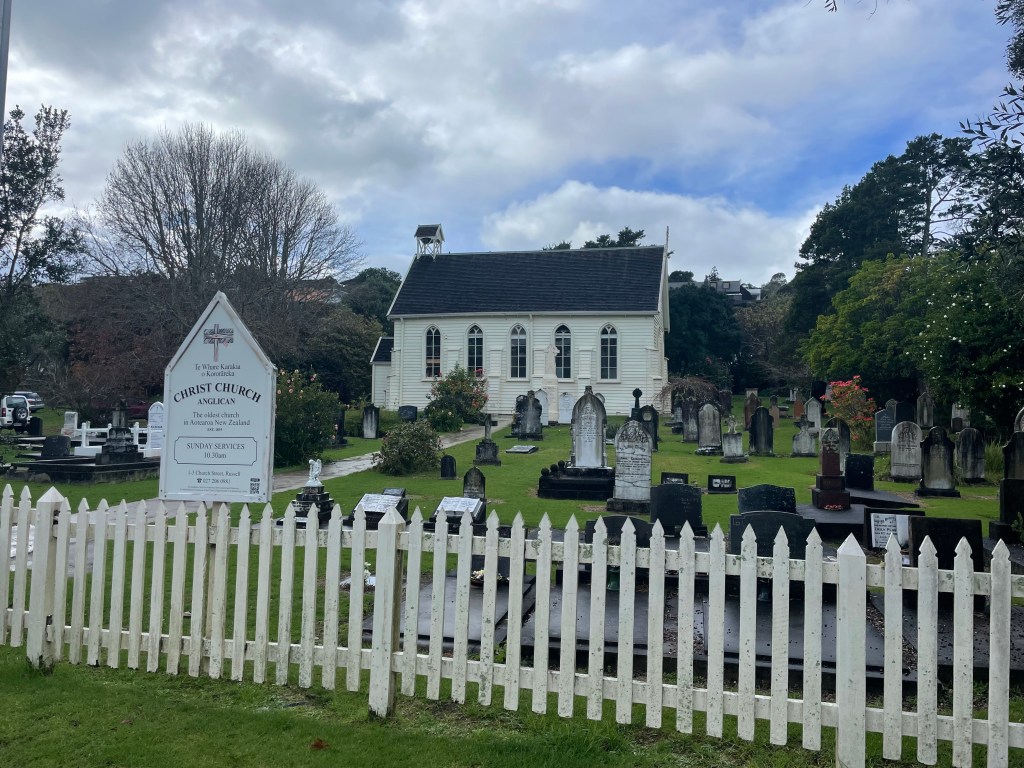
Russell, Bay of Islands
Prior to 1840, it was mainly transient European whalers, traders, and missionaries who made contact with the Māori. After the arrival of the British and other Europeans settlers, the Māori learned to read and write in their language with the help of missionaries. Such skills were essential for them as trading developed in the country.
The Pompallier Catholic Mission in Russell
This French Catholic Mission was important in the 19th century for bringing the Catholic religion, the printing press, and book binding to New Zealand. The printing press below was brought to the Mission in the mid 1800s, and printed over 40,000 books of prayer.


The Treaty Grounds, Bay of Islands
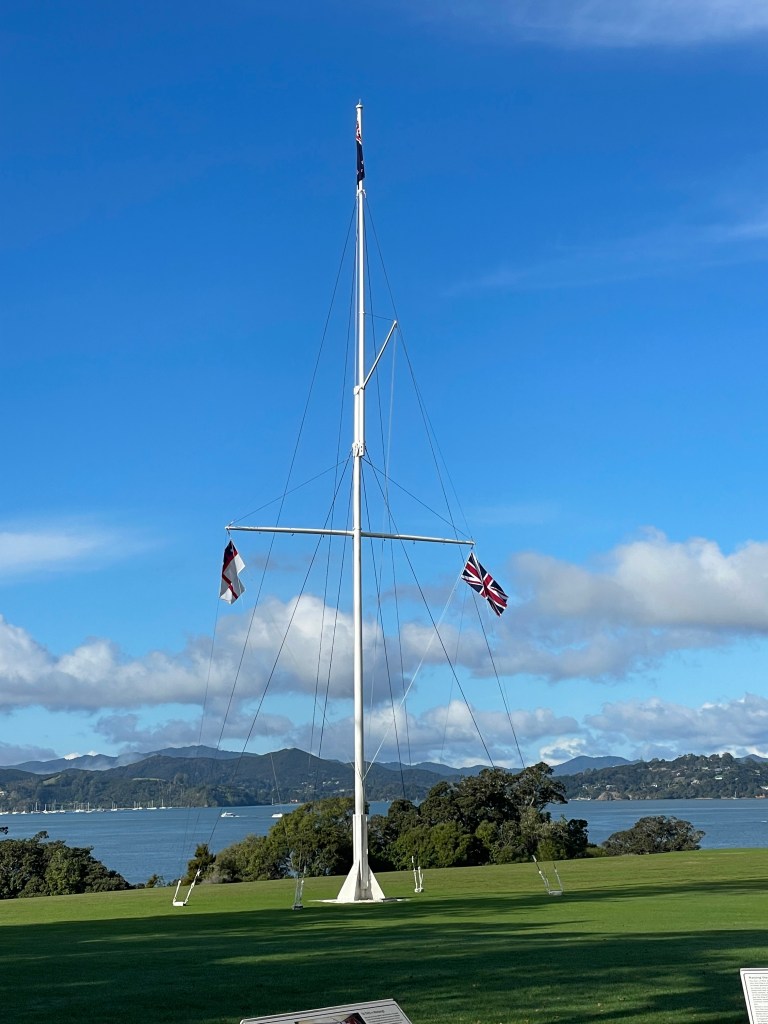
The Treaty of Waitangi: the Founding Document
The British Crown prevailed in establishing the government of New Zealand. The Treaty of Waitangi, signed in 1840, was an agreement between the British Crown and over 500 Maori chiefs. Today, it is known as the country’s founding document.
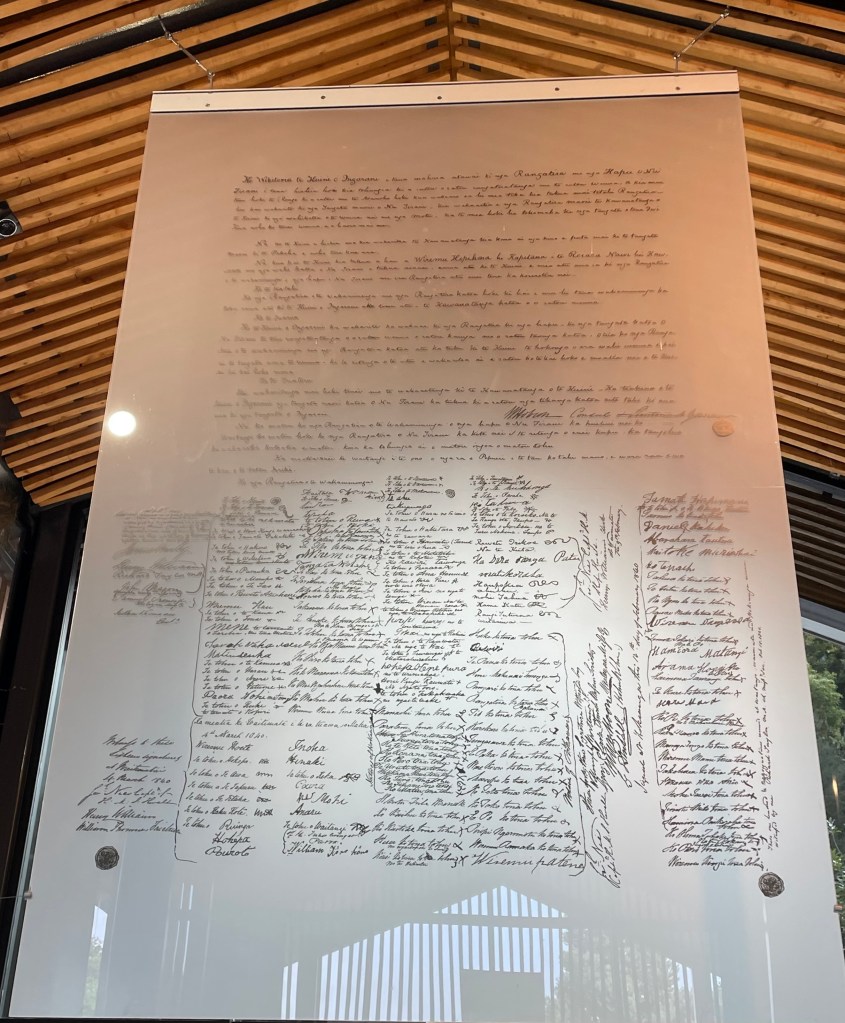
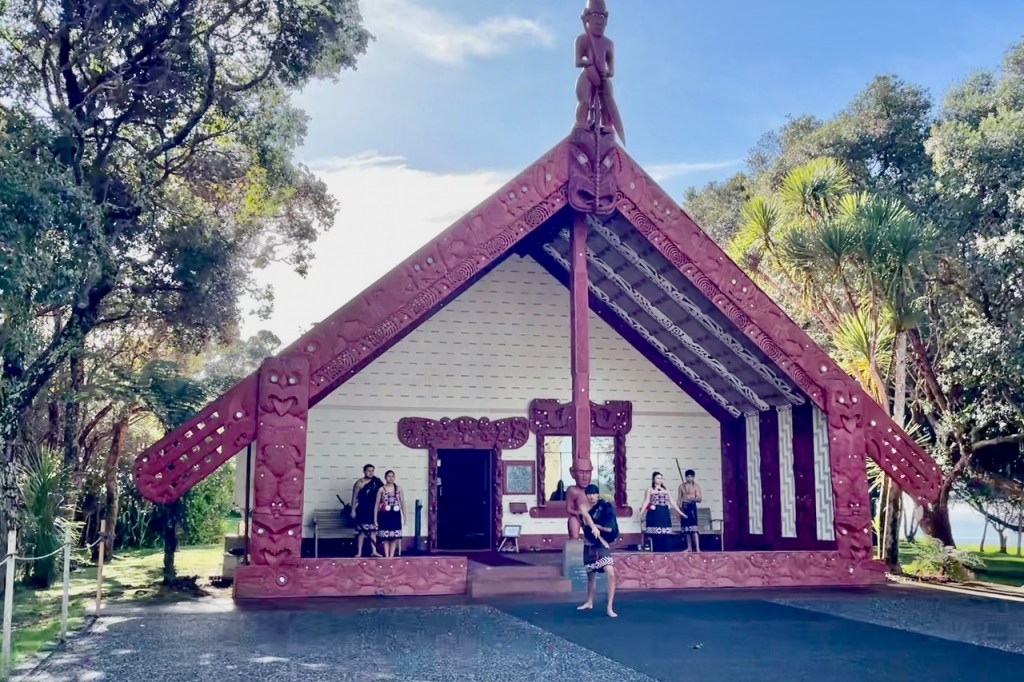
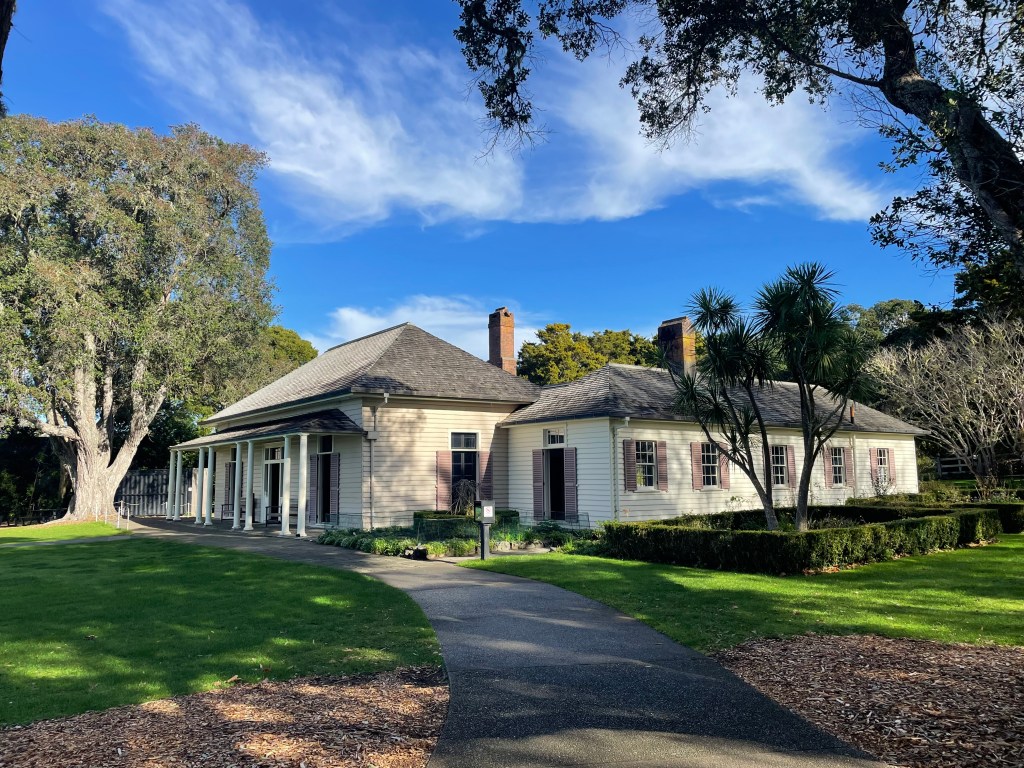

Today, New Zealand is independent of England, although it shares the same system of government and head of state—King Charles III of England. It is a member of the British Commonwealth of Nations.
Today—Some Opposition to the Treaty of Waitangi
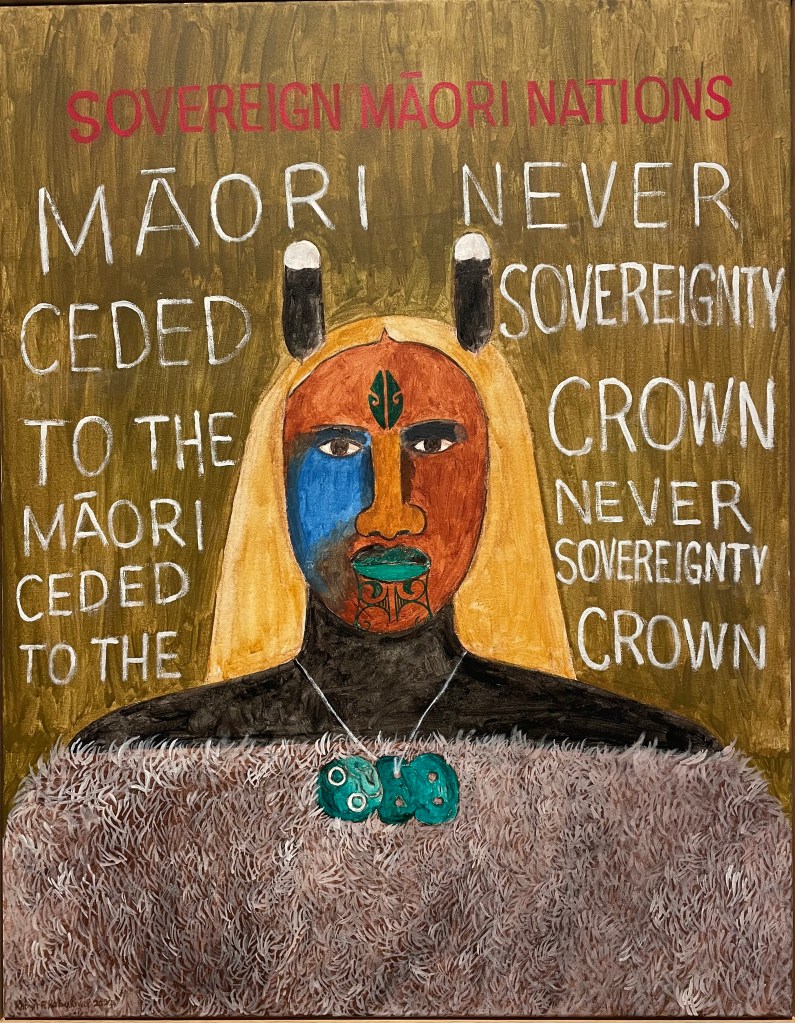
Recently, there has been lots of controversy in the news due to new legislative proposals to reinterpret the Treaty of Waitangi and the rights of the Māori. One interesting fact: there are two versions—an English version and a Māori version, and the Māori version is not an exact translation of the English version. Apparently, there are several fundamental differences in meaning between the two texts. History is in the making…
Modern Vibrant Society and the Kiwi Spirit
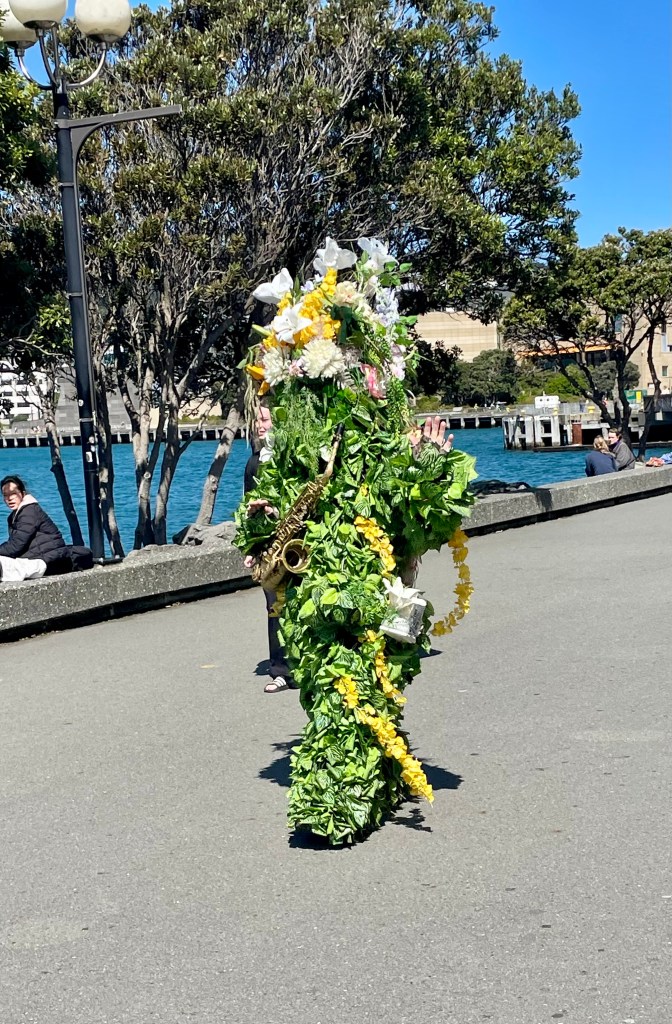
Throughout our travels and experiences in New Zealand we have found that Kiwis are kind, polite, friendly, and show great respect for the sea, nature, and the environment.

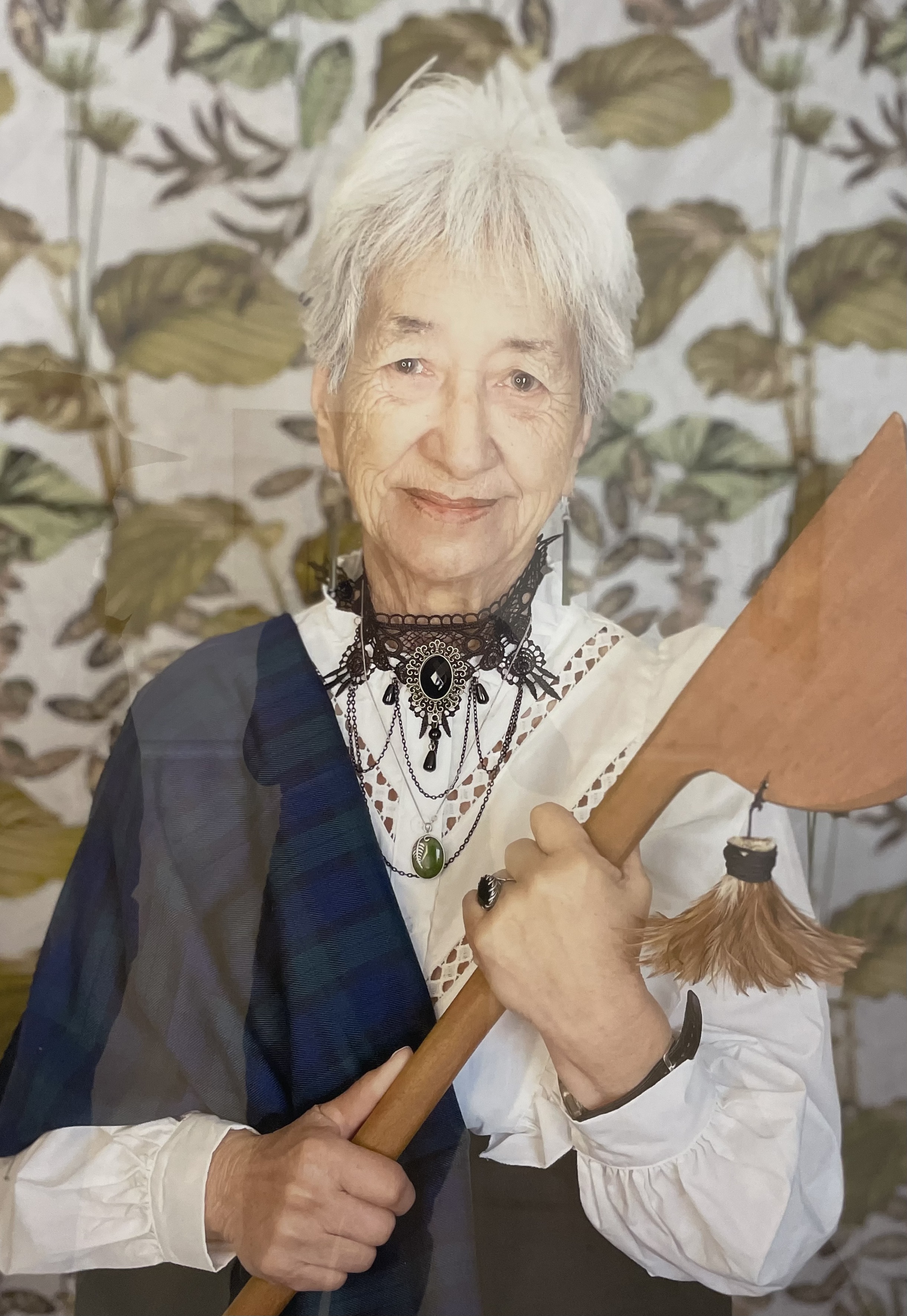
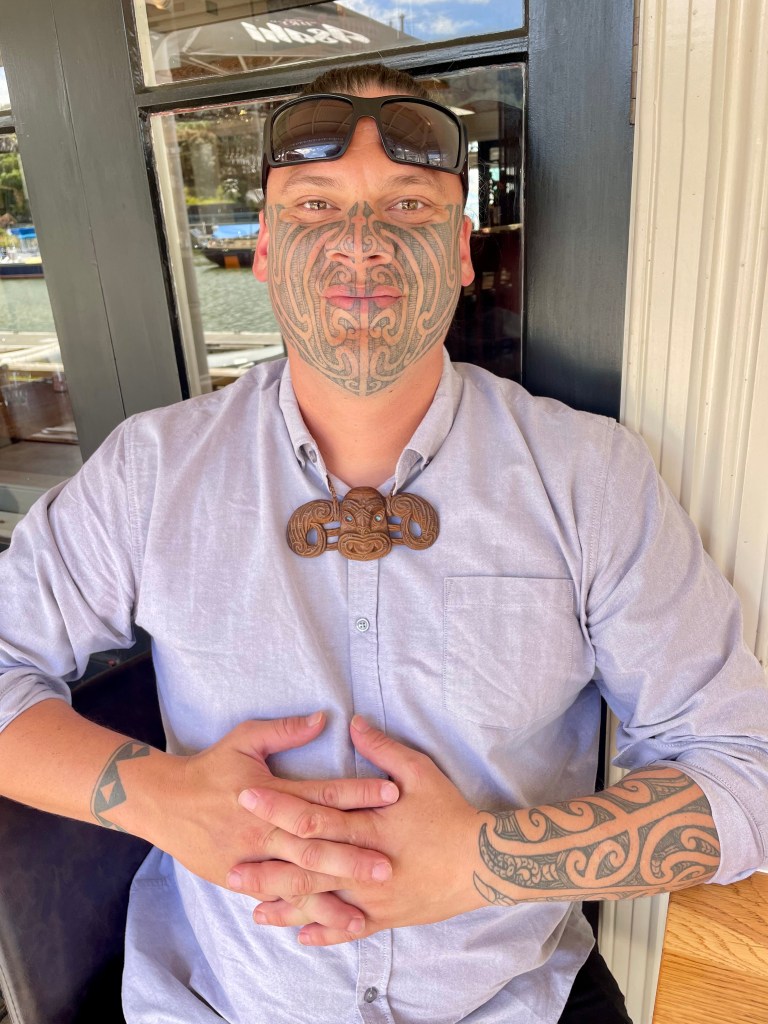
The history of this country has influenced its society. Its set of values arose from a combination of indigenous Maori cultural influences, the hardships endured by the early settlers, and the love of nature and the environment. The Maori, in particular, have a strong sense of generational pride and duty toward the land of Aotearoa. This philosophy has woven its way into everyday life. Their tattoo designs are also original and works of generational art.



Love of the Sea and the Kiwi Sailing Tradition (by Giorgio)
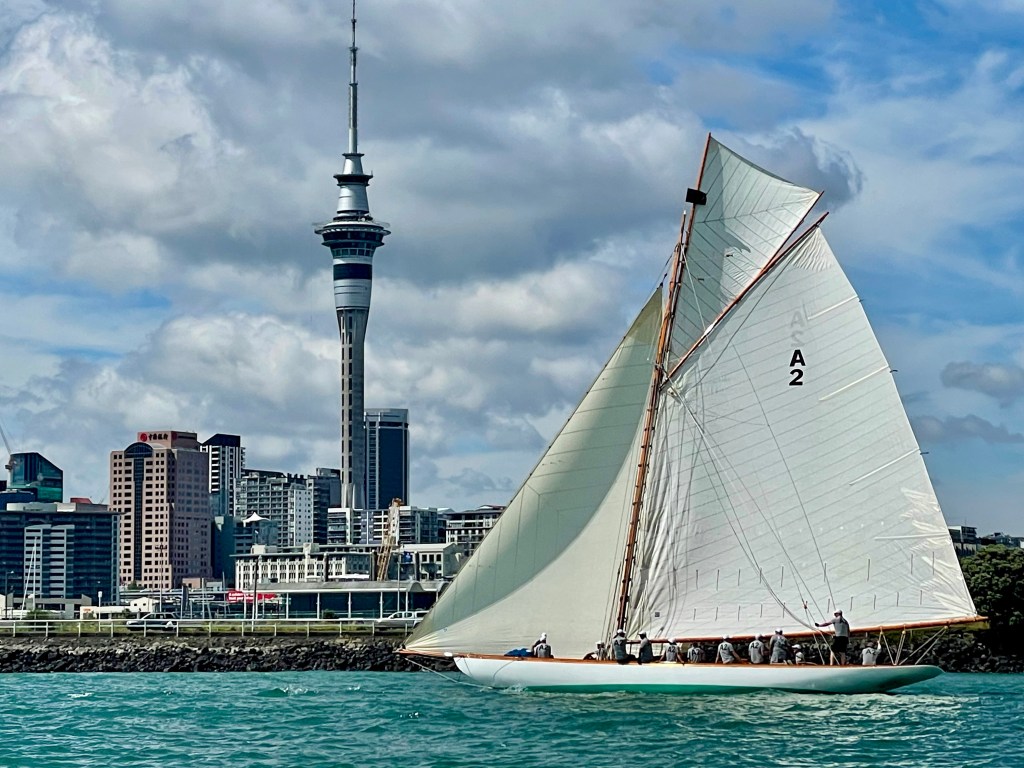
In the past, to arrive in New Zealand you needed to be a good sailor, or be with one. The Māori came here on canoes or catamarans, the first European settlers came here on tall ships, usually going around the Cape of Good Hope, Cape Leeuwin and Cape Horn, and cruising sailors come here today, albeit easier, in the midst of a circumnavigation on smaller boats.
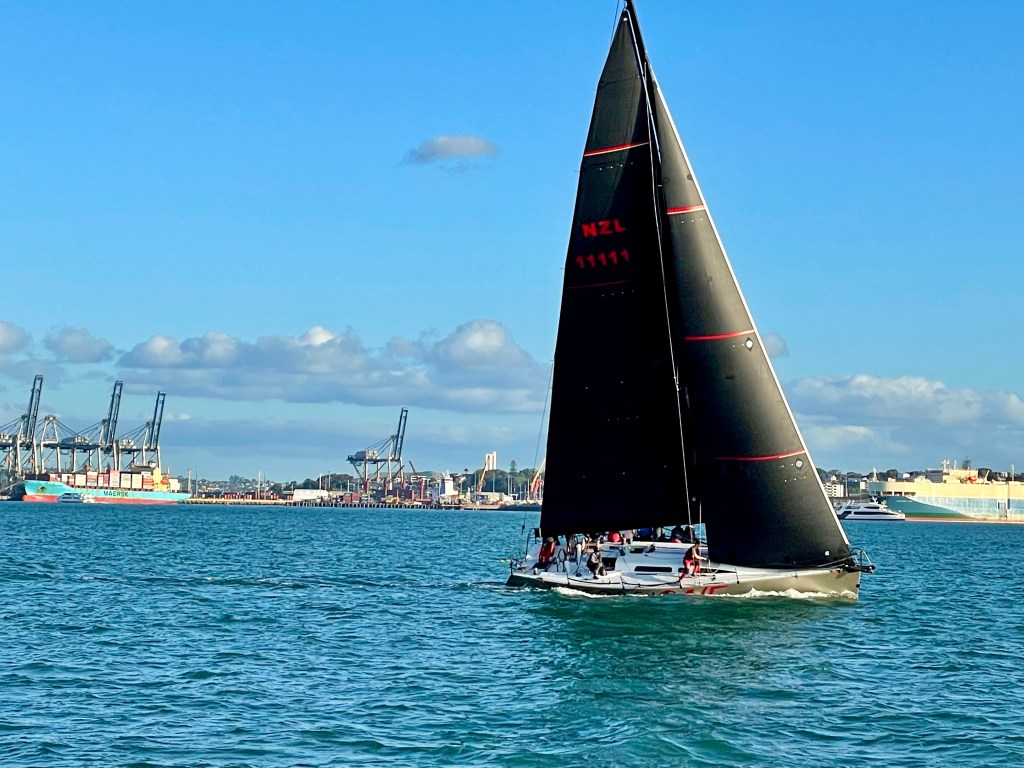
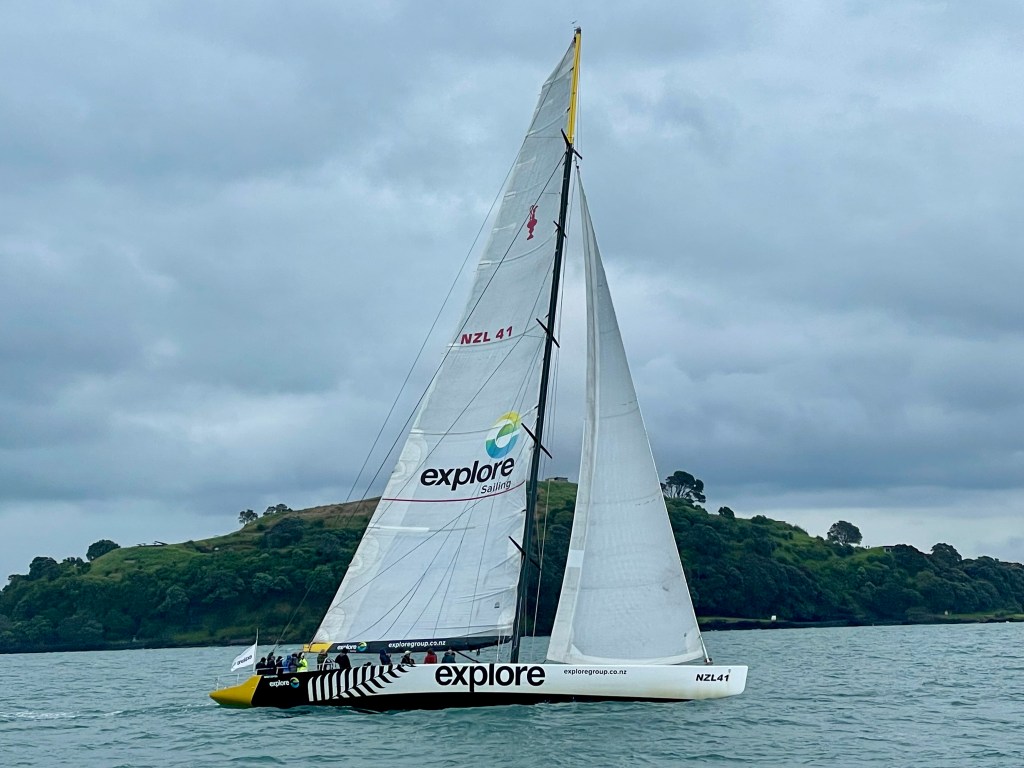
Kiwi sailing traditions have been passed down through the generations, and the culture of sailing, and sailboats—especially the classic sailboats of another time—thrives today. It’s a big part of their national pride.
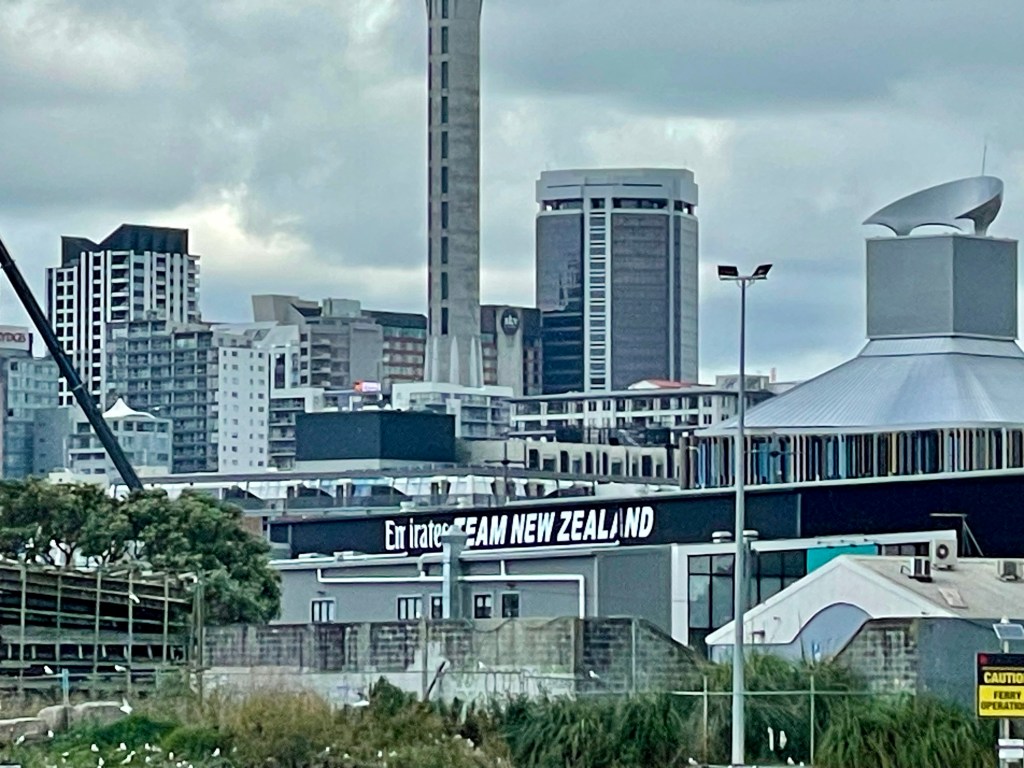
In Auckland, there are sailing races every day of the week but Sundays, when many of them go sailing simply for pleasure. It seems like the locals go to work early in the morning and leave work in the afternoon…to go racing or to play rugby.

A Legend: Sir Peter Blake
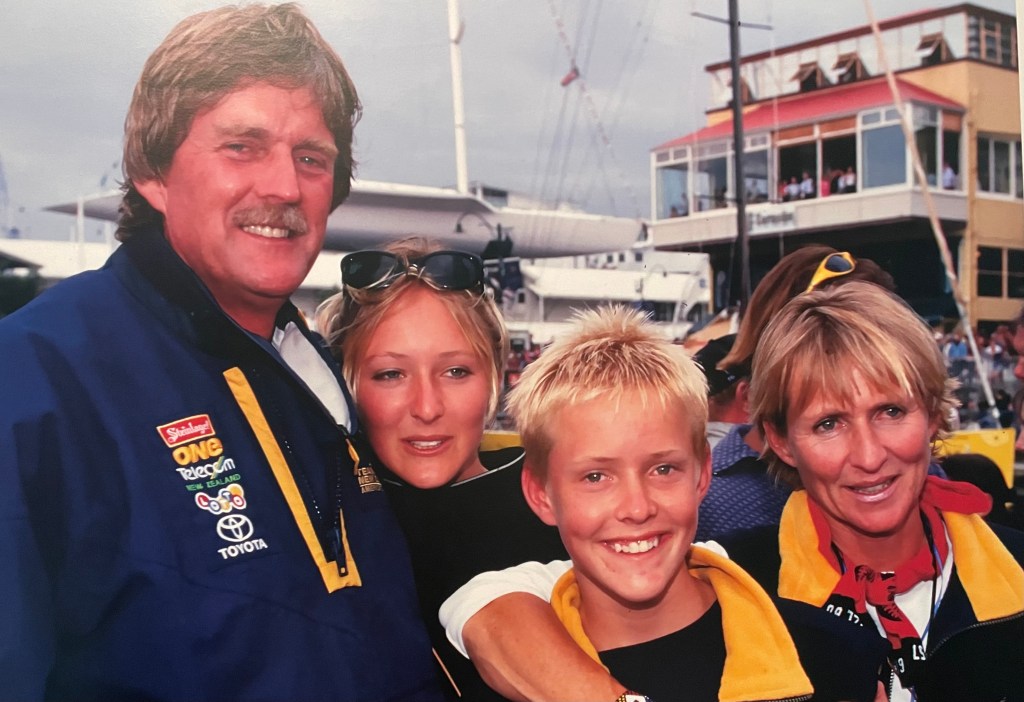
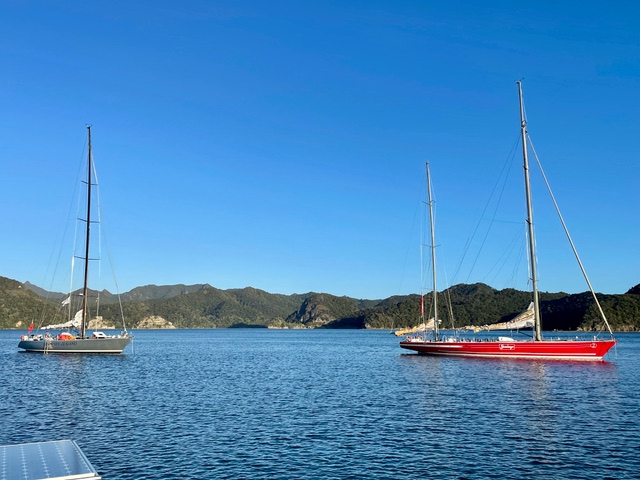
Sir Peter Blake had a passion for the sea, sailing, and crossing oceans from a young age. He skippered Lion New Zealand, a 78′ Maxi yacht designed by Ron Holland for the 1985-86 Whitbread Round the World Yacht Race (called today The Volvo Ocean Race), winning line honors in the 1984 Sydney-Hobart Yacht Race. He later commissioned the 83′ ketch rigged Steinlager 2 from the famous Kiwi designer Bruce Farr. He modified the design before completion and sailed the boat to win the 1989-1990 Whitbread Round the World Race. He also won the America’s Cup in 1995 and broke many records. Unfortunately, Peter was shot and killed by pirates in Brazil on the Amazon River during an environmental expedition in 2001. He was only 53 years old. He is considered a national hero and an inspiration to many young sailors.


Kiwi Sailor Friends
Over the past year in New Zealand, we have had a chance to meet and interact with many local sailors. Most of them are friendly, long-distance cruisers who are happy to share their sailing adventures. Recently, while at the dock in Whangarei’s Town Basin Marina, we were visited by two especially accomplished Kiwi mariners: Alvah Simon and Peter Smith.
Alvah Simon, came aboard SV JAN as a representative of New Zealand’s Brotherhood of The Coast, an international organization of navigators, to which my father and my mother belonged. Alvah had built his own sailboat Roger Henry and completed a 13-year circumnavigation passing through Cape Horn and exploring the frozen Arctic Circle where he “remained trapped by ice for 10 months, five of them in total isolation, [experiencing] temporary blindness [in the] space-like blackness of the polar winter, fighting a solitary battle for life and sanity,” as described in an article in Cruising World Magazine.
Alvah became a contributing writer for the magazine, taking first place in 2011 in the Boating Travel or Destination Category with his story about cruising in Alaska. CNN’s Business Unusual also chronicled Alvah’s saga. Alvah and his wife Diana were co-recipients of the Cruising World Outstanding Seamanship Medal, and were also subjects of a Discovery Travel Channel documentary titled “To Survive.” Today they are both contributing editors for Cruising World Magazine, and in addition, Alvah serves as a judge in the Boat Of The Year (BOTY) competition for the same magazine.

Peter Smith is a legend in the world of “high latitude sailing.” He co-founded Cavalier Yachts, one of New Zealand’s most successful yacht building companies, and the largest in the southern hemisphere at the time, as described on his website. Cavalier produced sailboats from 23′ to 47′, and Cavalier yachts are still popular today.
On his Cavalier 32 Conquero, Peter won the 200-mile South Pacific Half Ton Trophy ocean race and the 120-mile Leo Bouzaid Memorial offshore race in 1974.
In July 1979, Peter left New Zealand with his wife Jo onboard Apteryx, a Cavalier 39, to realize his ambition of a circumnavigation. Apteryx was the penultimate Cavalier Peter and Jo built, and took the couple all throughout the South Pacific and South East Asia. Since then, Peter has continued navigating, working and sailing all over the world. In addition, Peter founded three other boat building businesses, spending four years in Papua New Guinea, one in France, and eight in England.
After their son was born in 1982, the 39-foot boat became too small. Always brewing new ideas, Peter began to plan the ‘ultimate’ cruising yacht which “could safely go anywhere and do anything, while comfortably housing and being crewed by a couple.”
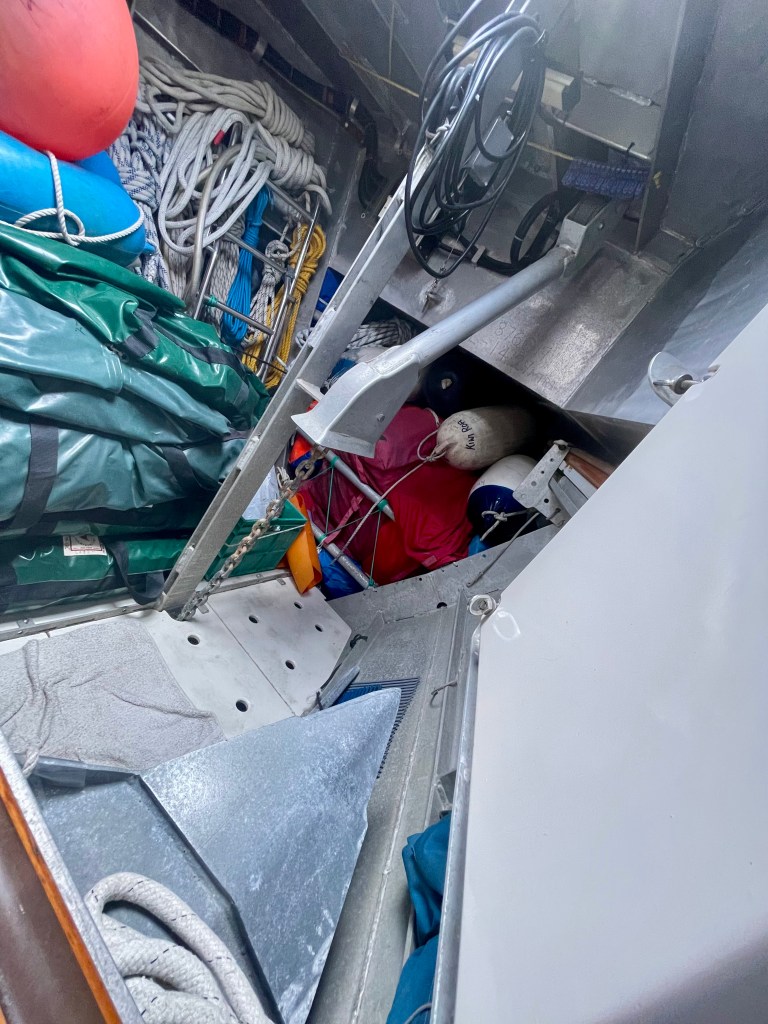
His plans were realized with the completion of Kiwi Roa, built by Peter in England. She is a 15.5 m (52′) sloop built from 10 mm aluminum alloy plate (up to 25 mm in some sections), weighing 27 tons. A boat built to go anywhere and handle the worst that the seas of this planet can throw at her! Launched in 1994 at Ipswich, she has since clocked up over 350,000 NM in the world’s toughest environments, a world distance record on the same boat. To take a tour of this expedition yacht, visit Peter’s website “About Kiwi Roa”.
When Peter visited our boat, he enjoyed our chairs very much and admitted that he would have liked to have one of them on Kiwi Roa!

When Jan and I visited Kiwi Roa, her massive construction impressed us: I made the comment that in case of an accident involving Kiwi Roa and a Navy cruiser…probably the Navy cruiser would have suffered the worst damage!

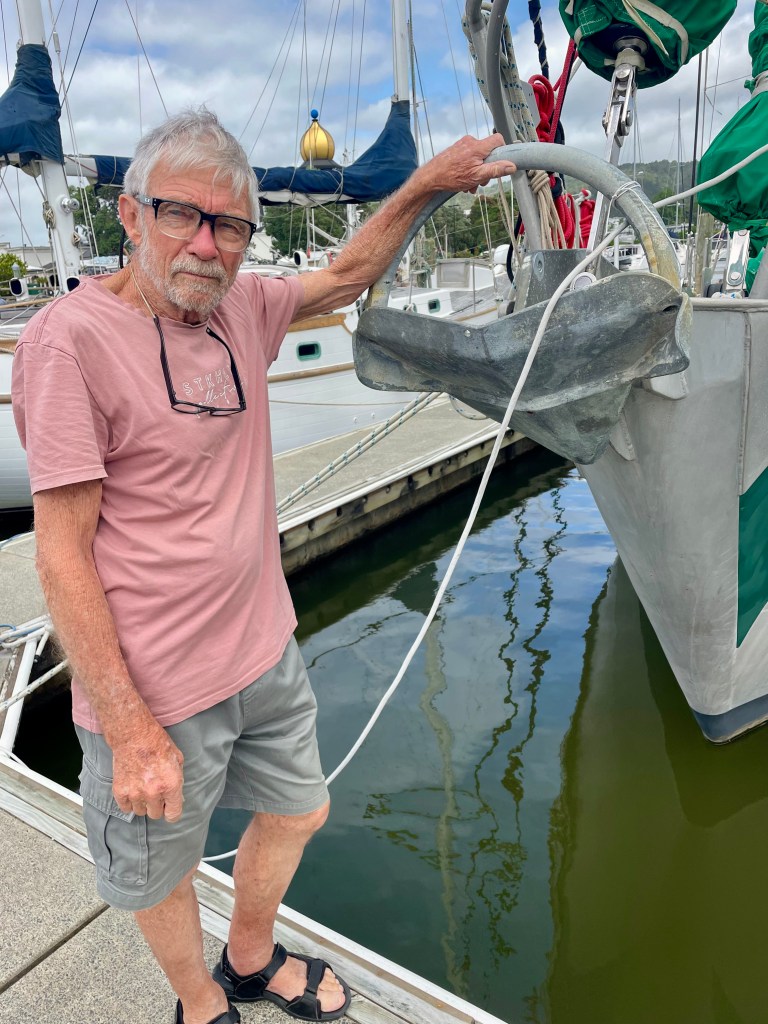
One particular area of boating to benefit from Peter’s input has been the world of small boat anchors, with the design and development of the highly successful Rocna anchor, considered today one of the two best anchors in the world.
Not a Kiwi…. but worth a mention!
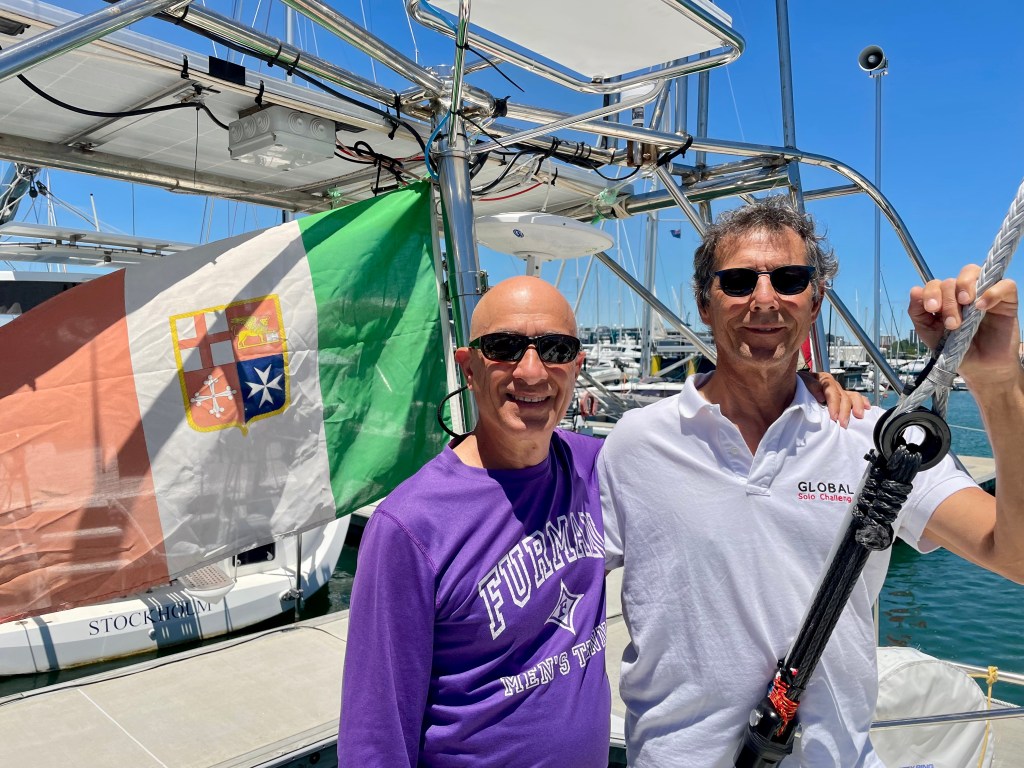
Alessandro Tosetti is the third long distance navigator we met this month. He is an Italian architect who is participating in the Global Solo Challenge race aboard ASPRA, a Vallicelli design built in Italy. Presently in Auckland for maintenance issues (Kiwis have some of the best boatyards), his next leg is going to be New Zealand-Italy around Cape Horn.
Honorable Mention: All Blacks-Rugby World Champions!
Rugby, like sailing, is part of the Kiwi sporting culture. They practice and play everywhere. To add to the national pride, the Kiwi team just won the Rugby World Series. You don’t want to mess with these guys!


 The Adventures of SV JAN