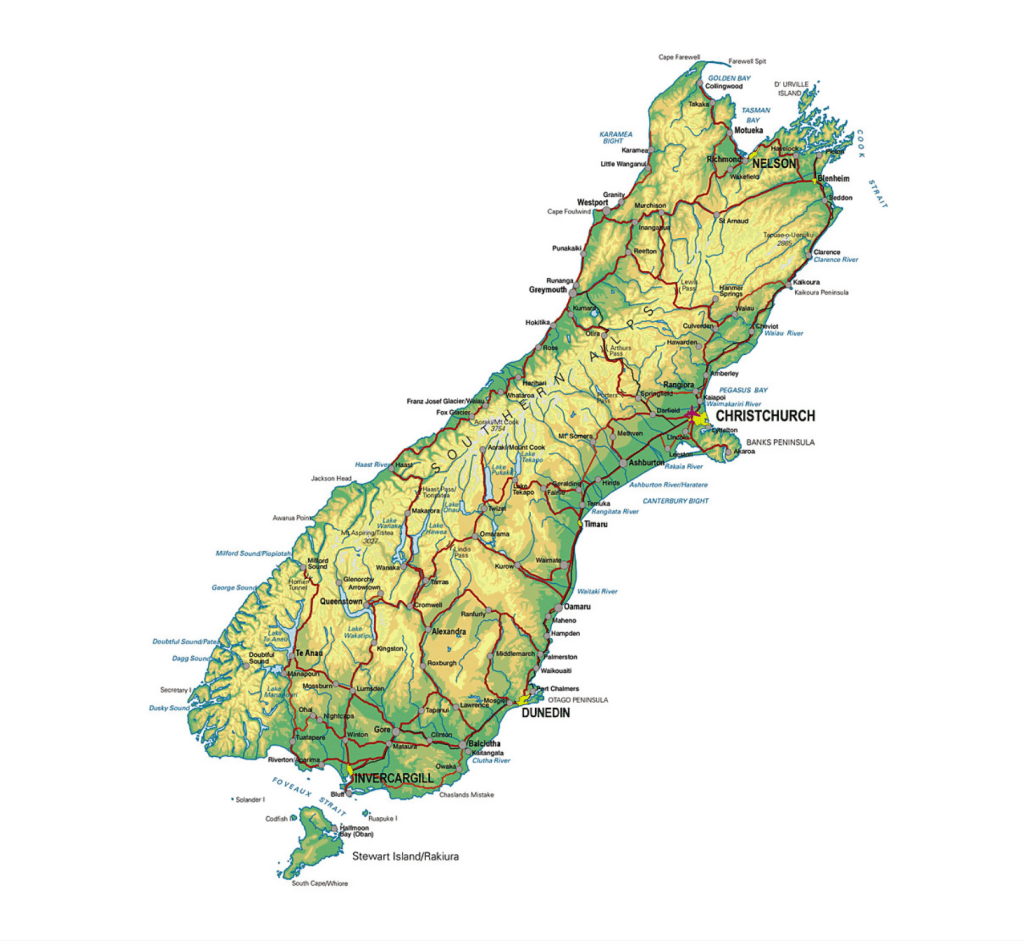
Touring the South Island by car was an unforgettable experience!
We had talked about circumnavigating the South Island with SV JAN, but the west coast has very few anchorages and protection from the gale-force westerly winds typical of those latitudes. Furthermore, in case of any boat problem, repair facilities and harbors are limited; besides, we would still need to rent a car to go inland and appreciate the mountains and cities. So, we decided that discovering the South Island by car would be our best option.
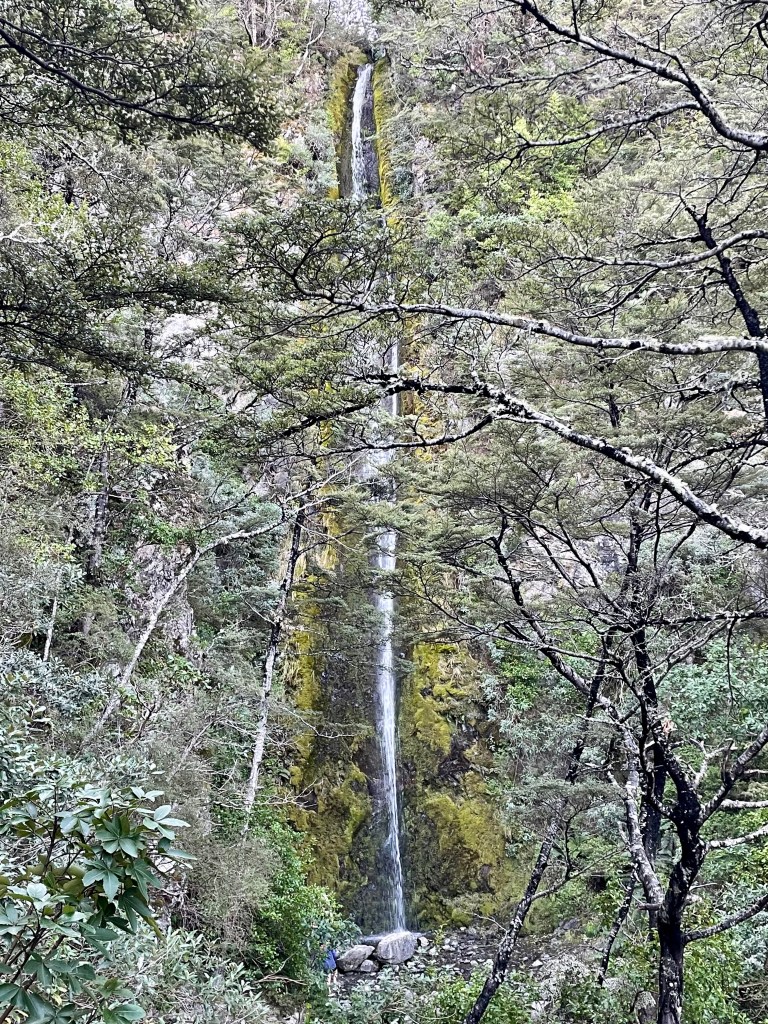
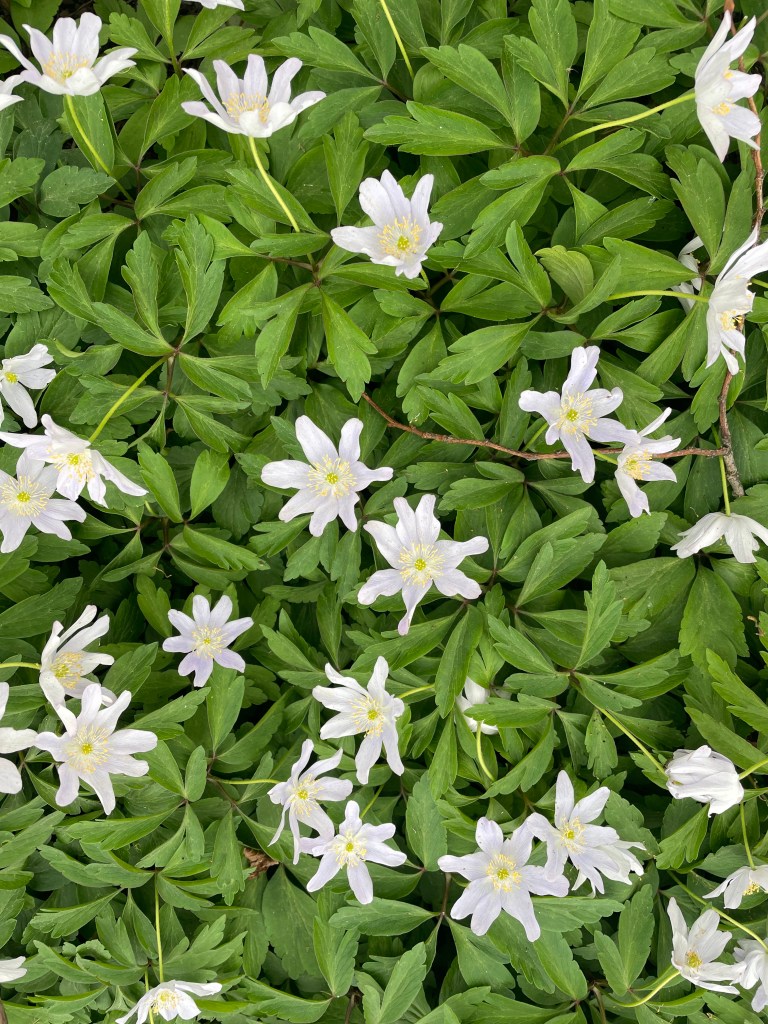
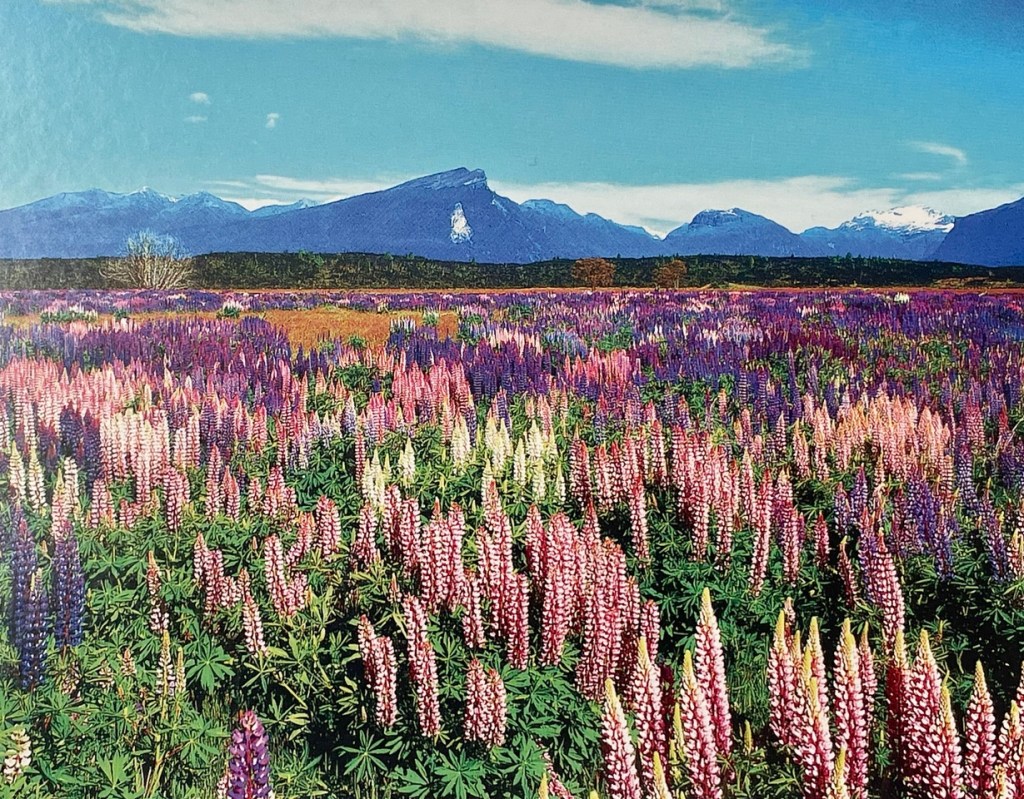
Words often fail to describe breathtaking scenery, rushing rivers, peaceful lakes, tall waterfalls, colorful flowers, imposing trees, and memorable monuments. Therefore, this chapter will highlight many pictures taken along the way.

After flying from Auckland into Christchurch, we rented a car for one month and toured the South Island. Our designated driver was Giorgio, who stayed on the proper (the left) side of the road and avoided accidents like a pro. Jan was the official tour guide and trip planner, managing for us to get just about everywhere we had wanted to see in the time that we had planned.
Christchurch
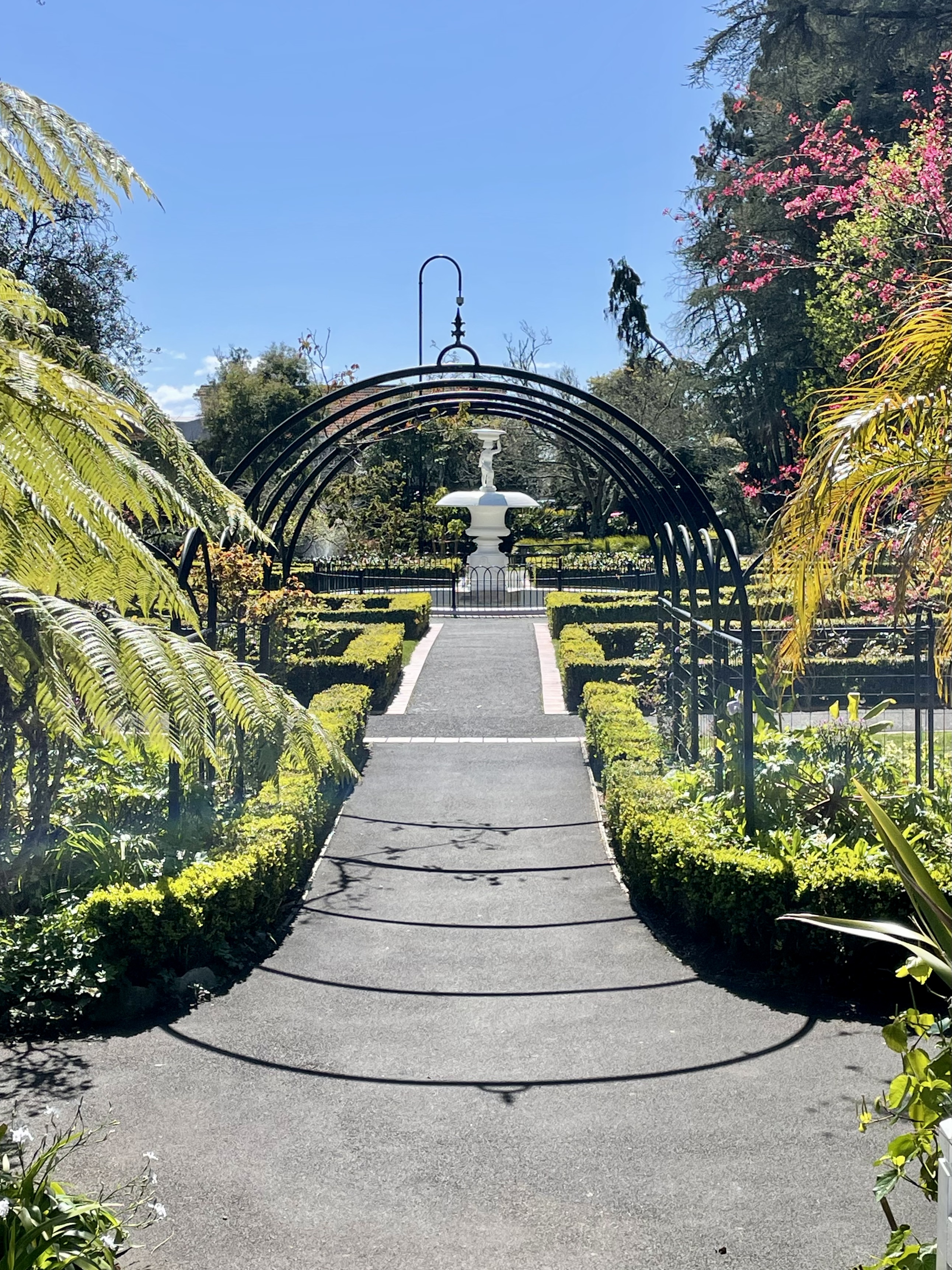
Christchurch is the largest city on the South Island (400,000 population). The lovely Avon River weaves its way through the city center. On its banks are cycling paths, Hagley Park, and the magnificent Botanic Gardens. There is also an “old fashioned” tram that carries tourists on a tour of the city.

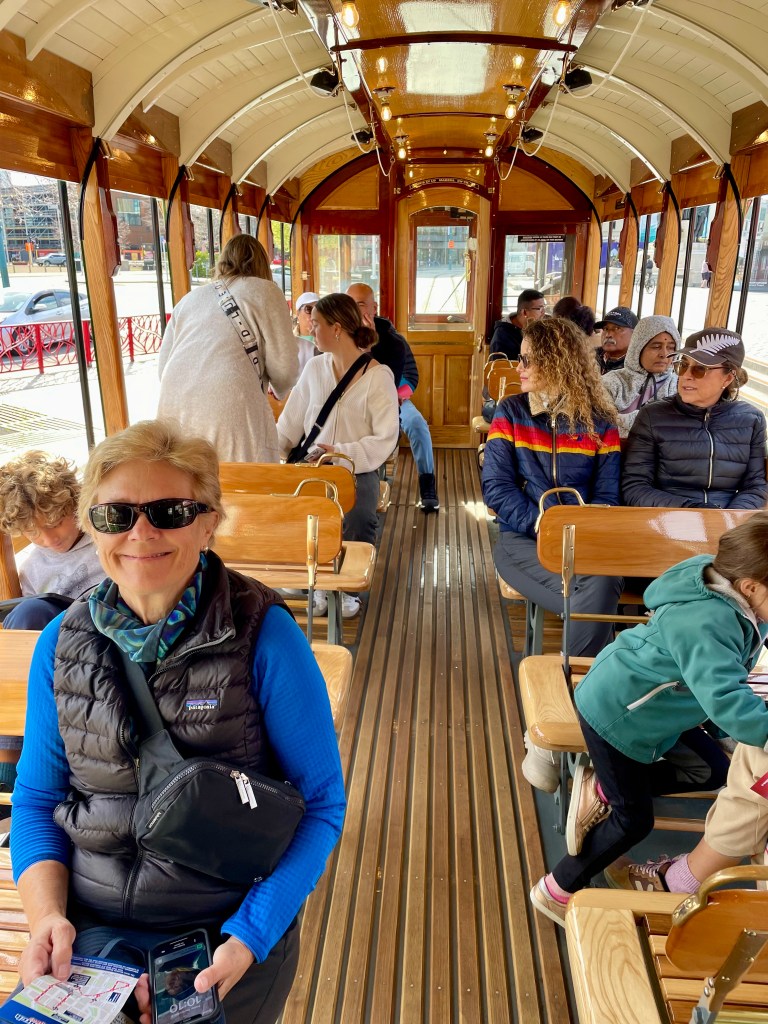
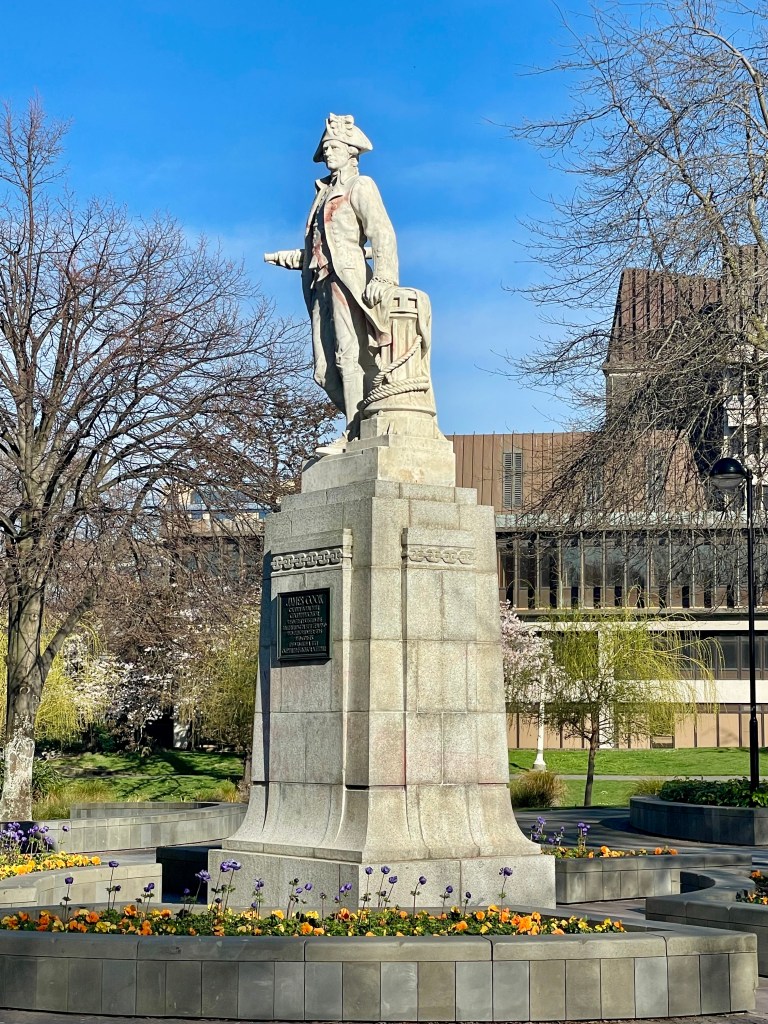
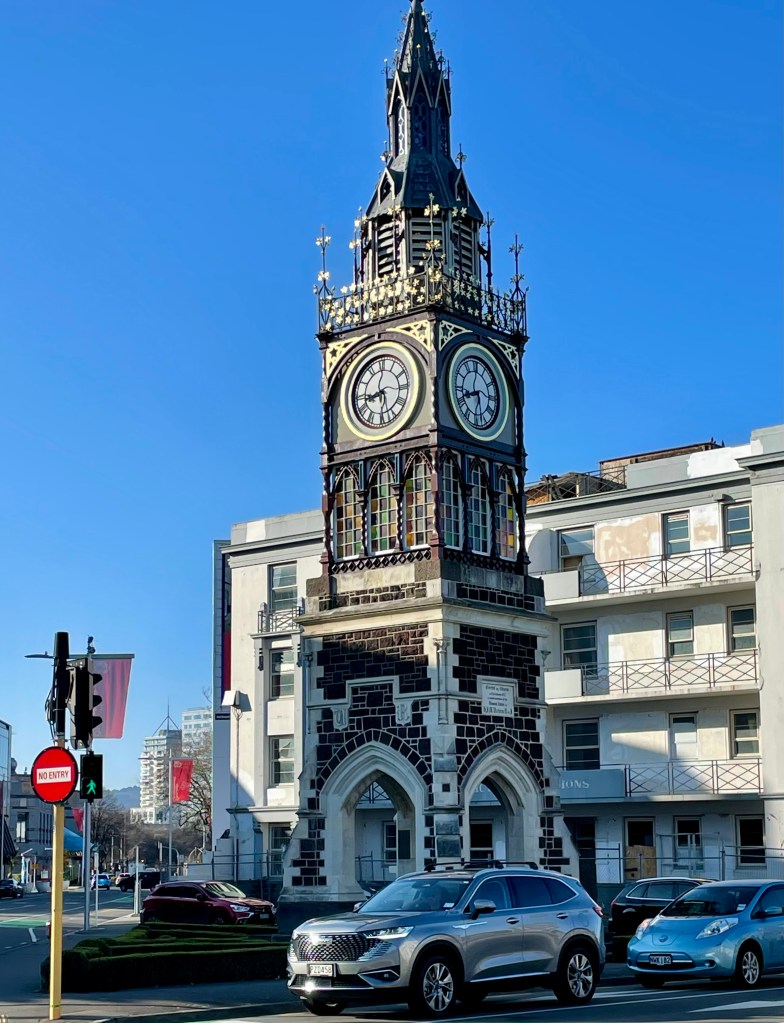
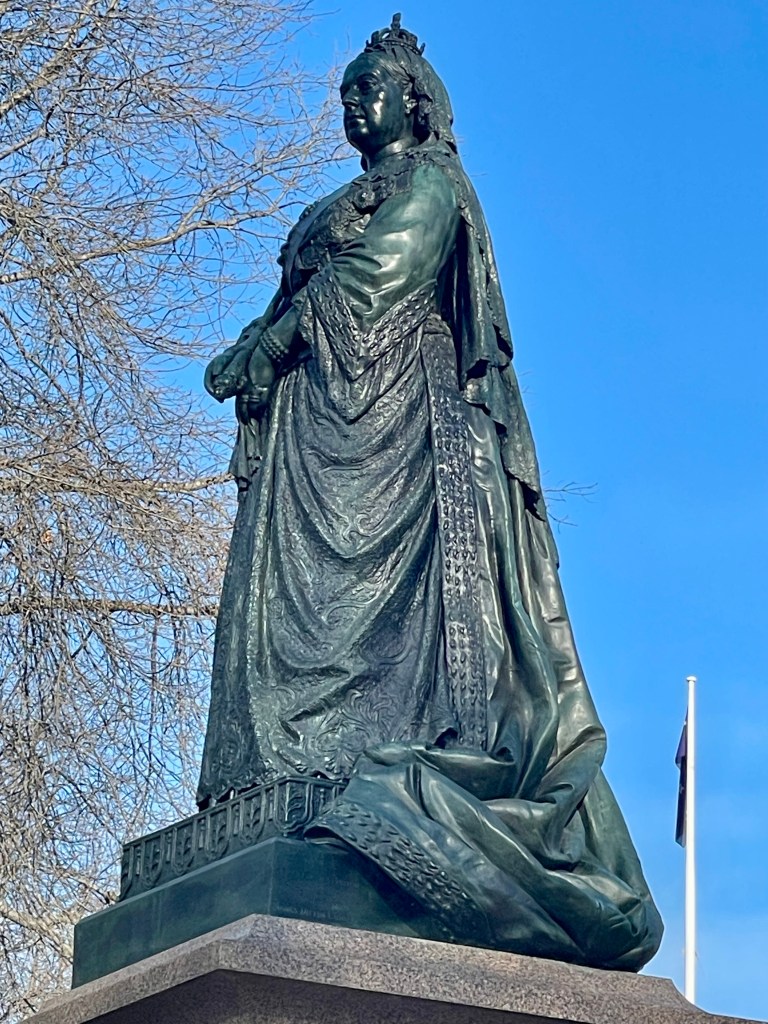

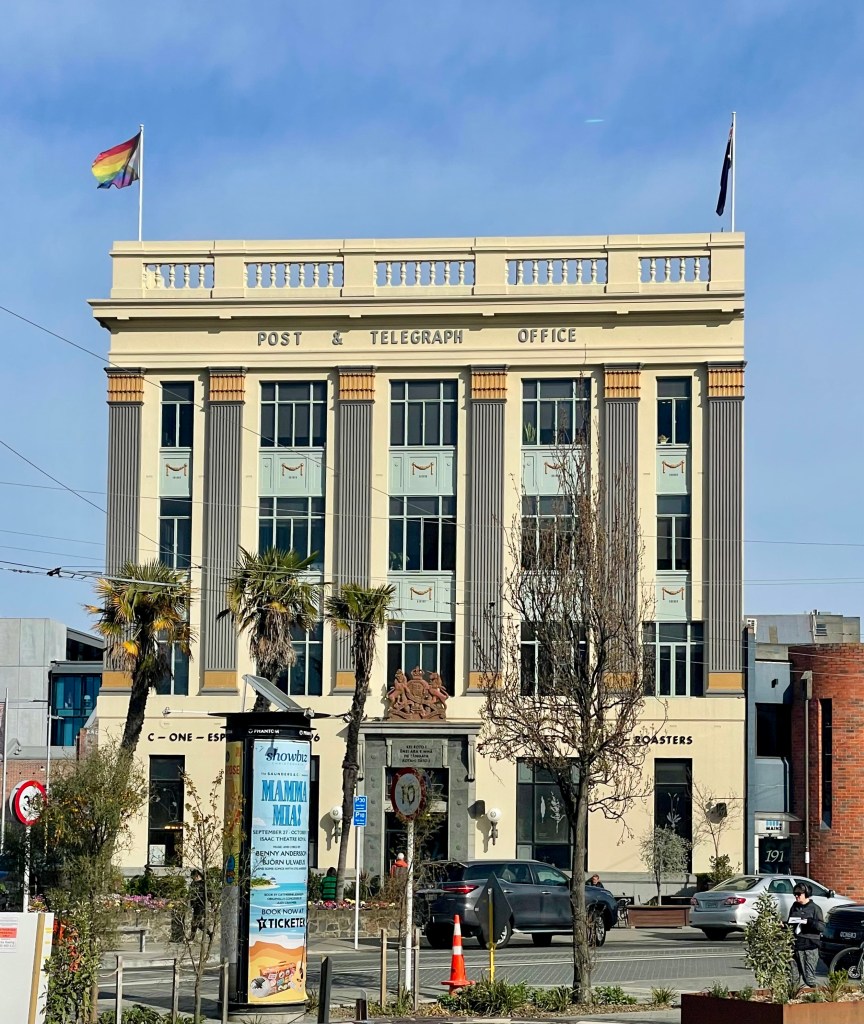
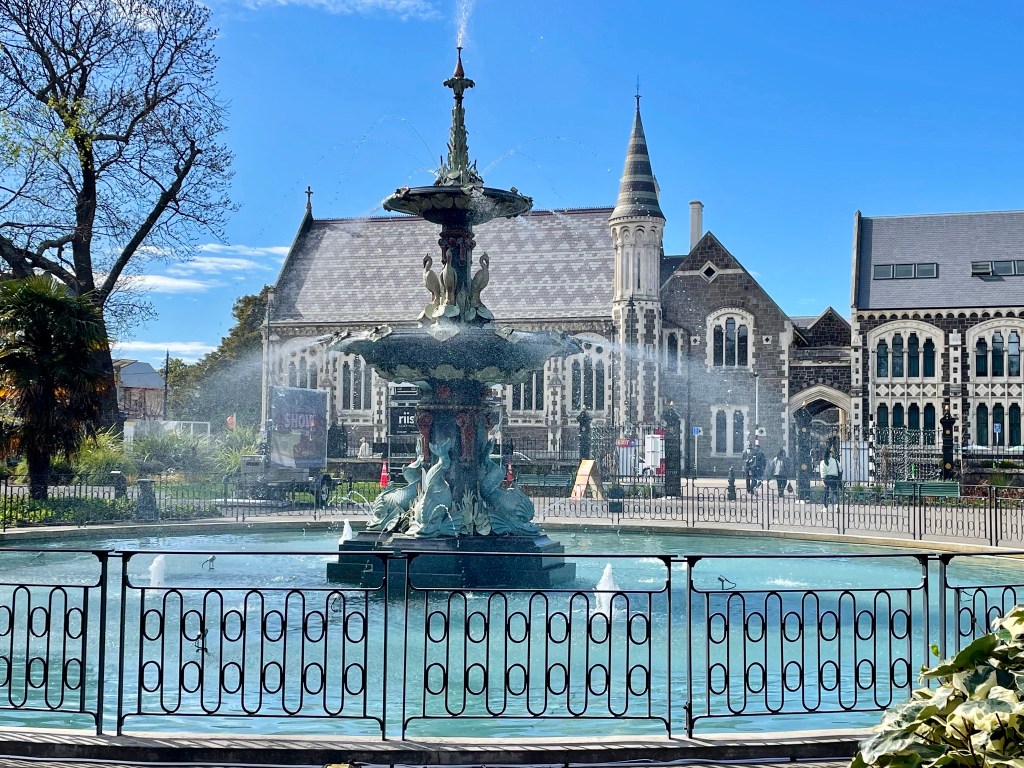

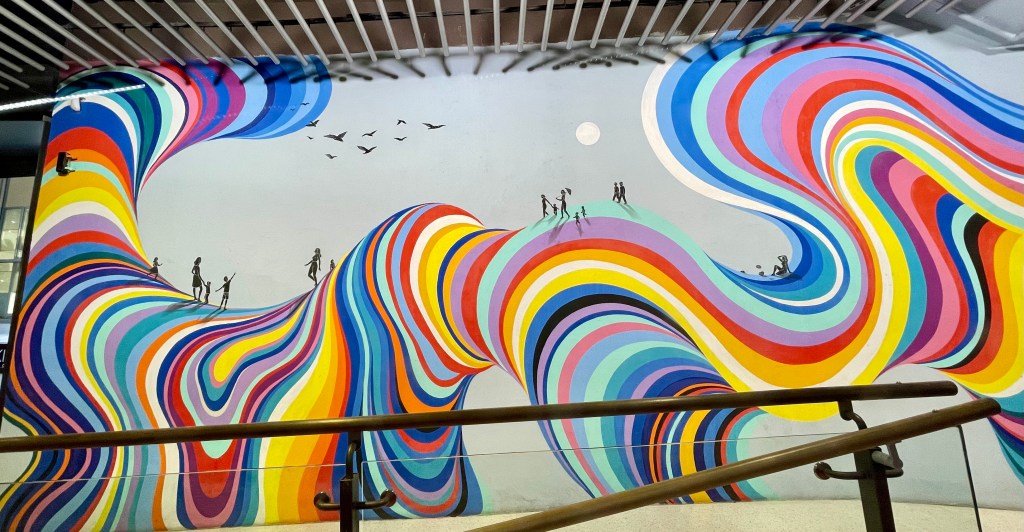
The city is a vibrant blend of English heritage and contemporary culture. It is also home to several universities (University of Canterbury, New Zealand College of Business, etc.). Christchurch has a rich arts scene with street art, murals, and art galleries.

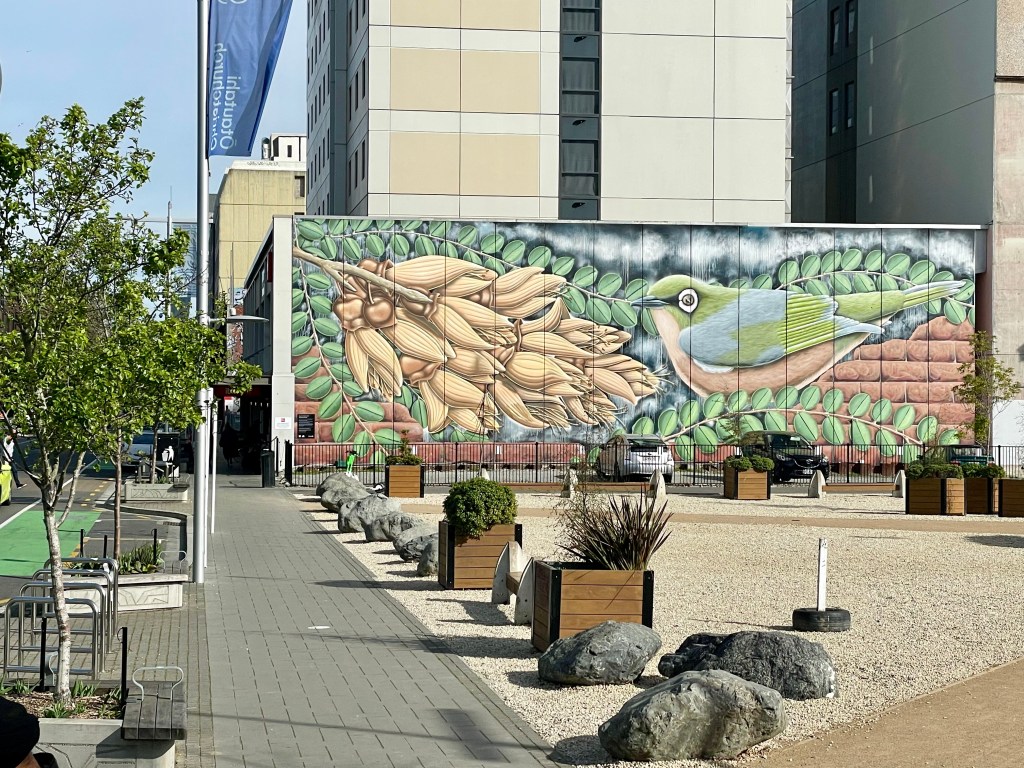

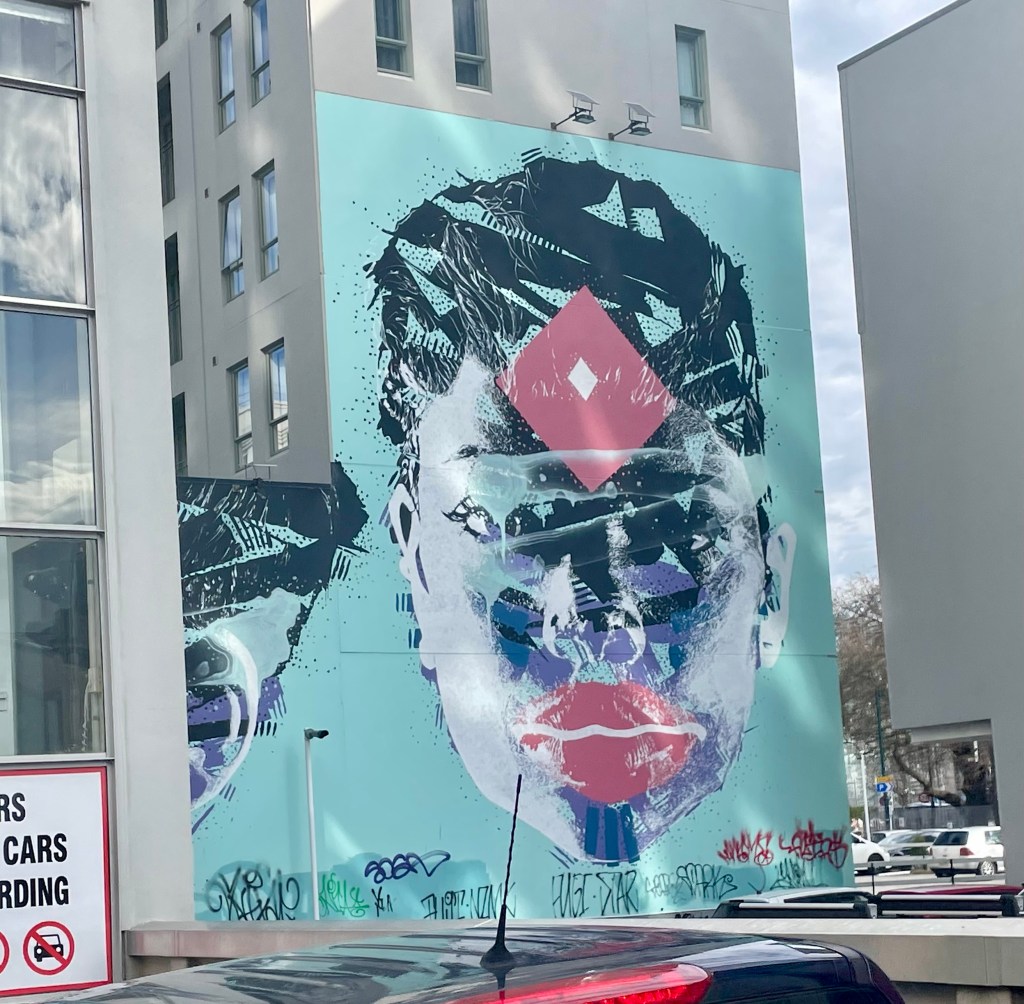

In February 2011, earthquakes destroyed many of the historic center’s stone buildings. The city has made remarkable strides in recovery after the earthquake, boasting an array of modern architecture that stands alongside historic buildings.
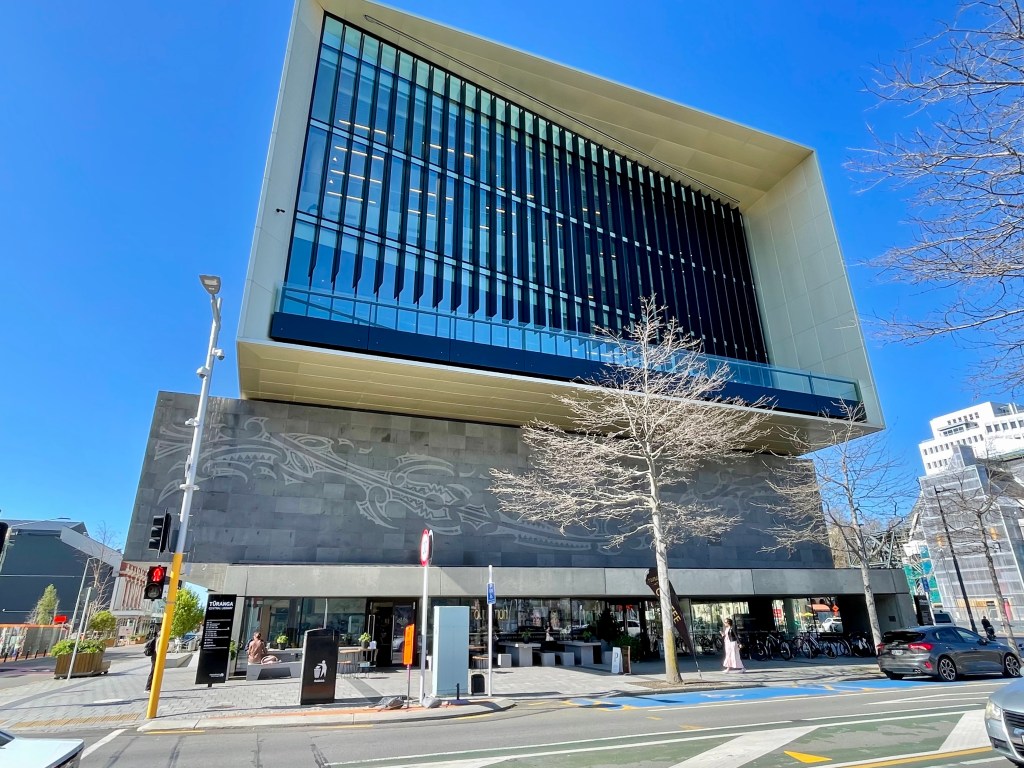
The public library in Christchurch is of a very modern and impressive architecture. Inside you can find books of all kinds, magazines, and special exhibits. We were very impressed.



We enjoyed the Christchurch Gondola with a ride to the summit to see the incredible surrounding panorama with views of the harbor.
Lake Tekapo
Our next stop was Lake Tekapo, which is inland, and southwest of Christchurch. The Southern Alps grew larger in the distance as we drove along the green pastures dotted with grazing cows and sheep.
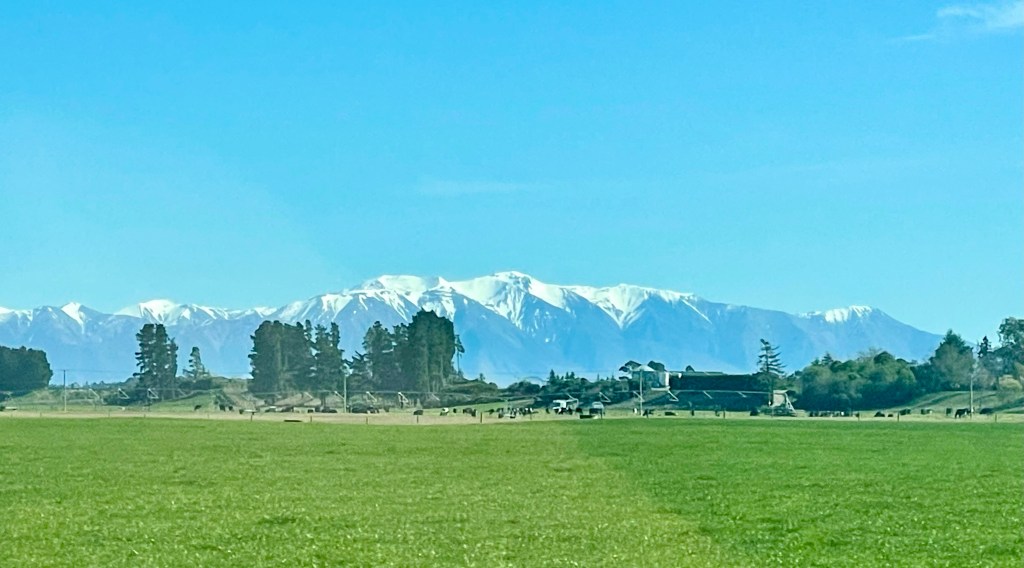
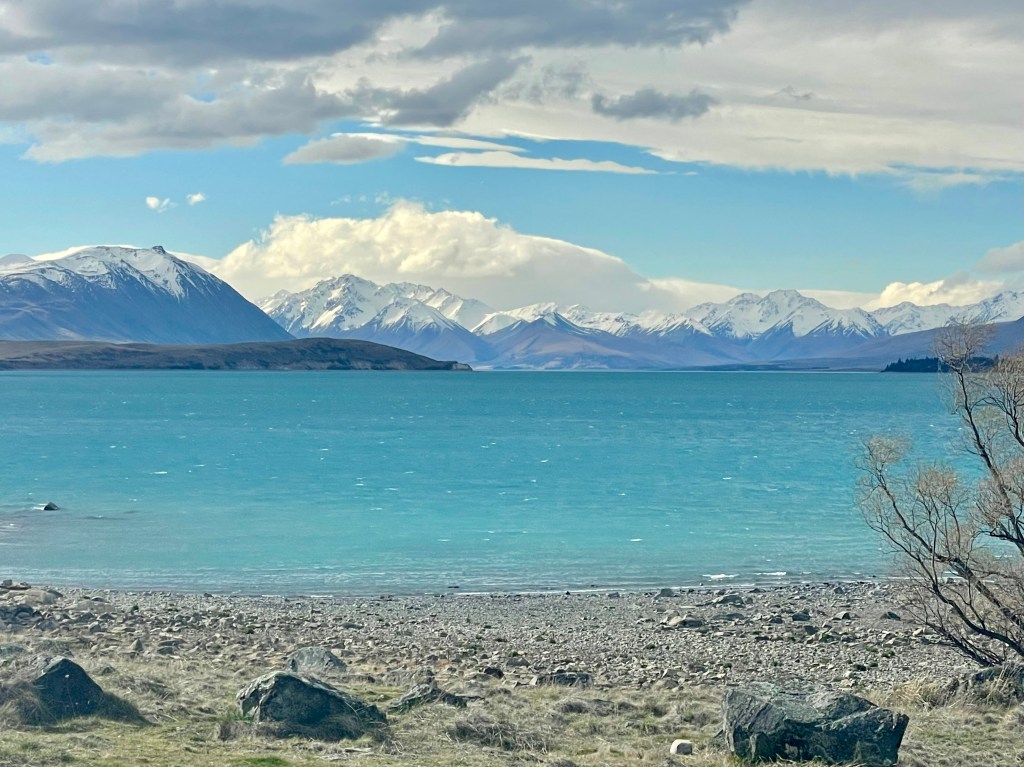
The Southern Alps and Mt. Cook tower west of the Lake Tekapo, known for its vibrant turquoise color. The weather became cloudy during our trip and we were not able to see much of Mt. Cook and the surrounding mountains by the time we arrived.
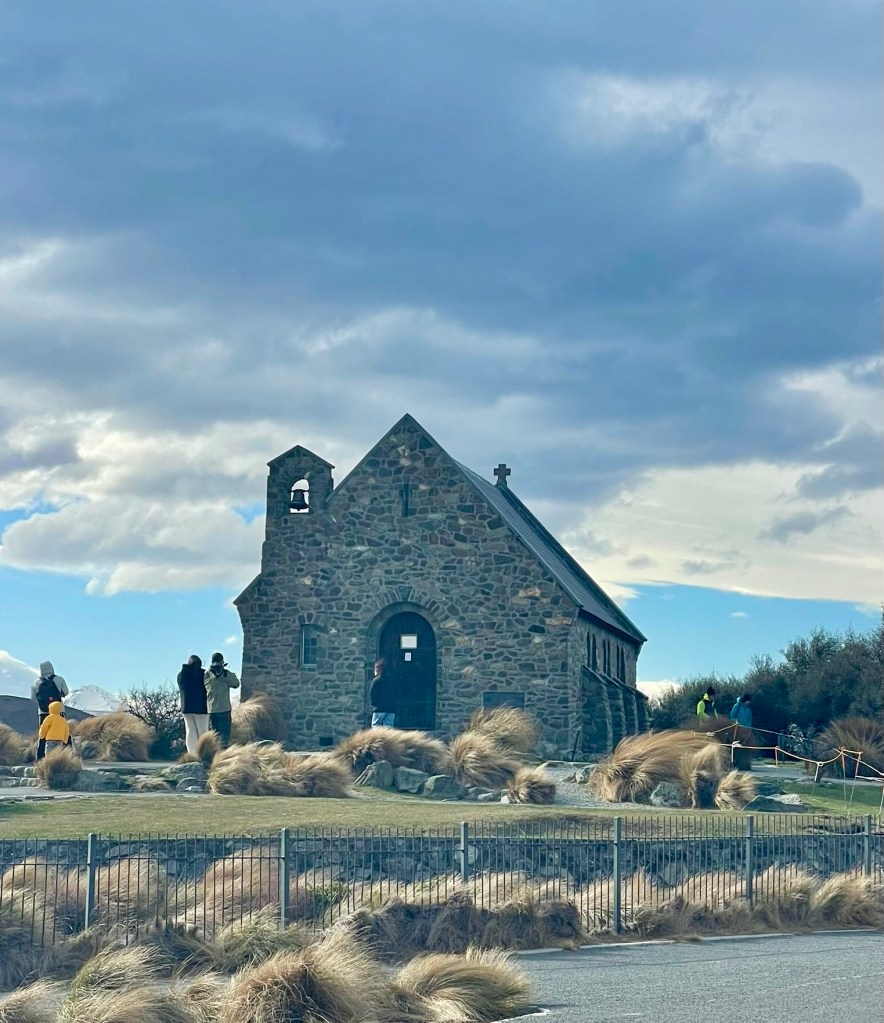
The Lake Tekapo township is on the southern end of the lake where the Church of the Good Shepherd (the most photographed church in New Zealand) is perched on its banks.
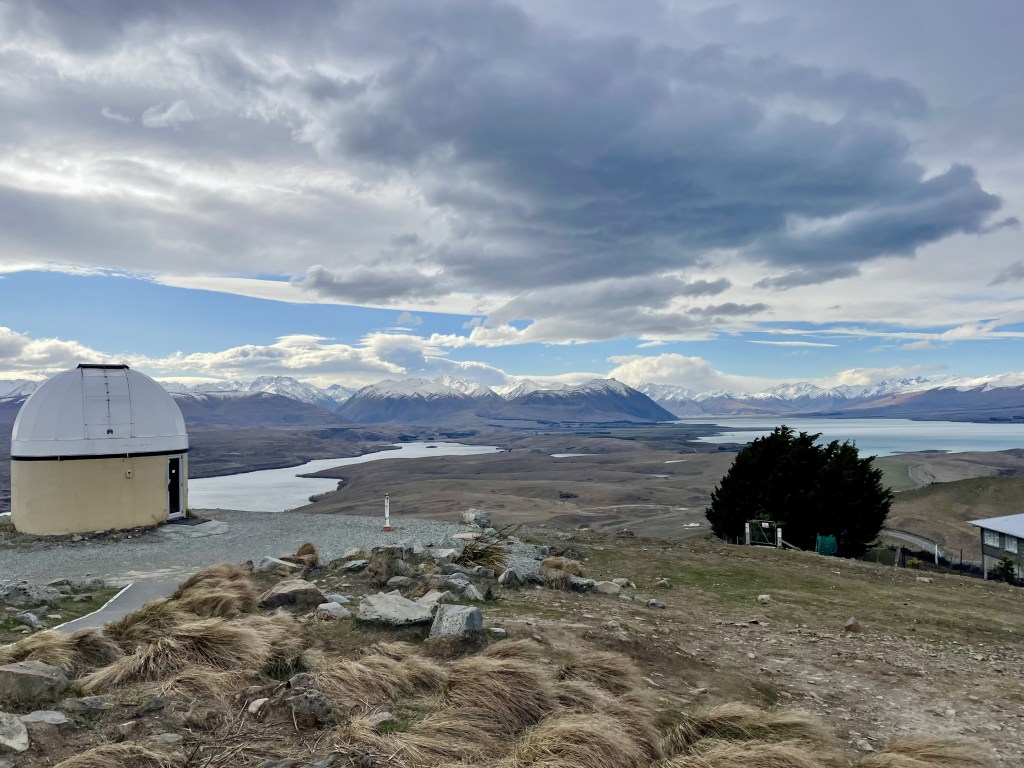
On clear nights, Lake Tekapo transforms into a stargazer’s paradise as it lies within the Aoraki Mackenzie International Dark Sky Reserve. Unfortunately, the night sky was overcast the whole time during our visit. It is one place we’d like to go back to one day, during clear skies!
Queenstown
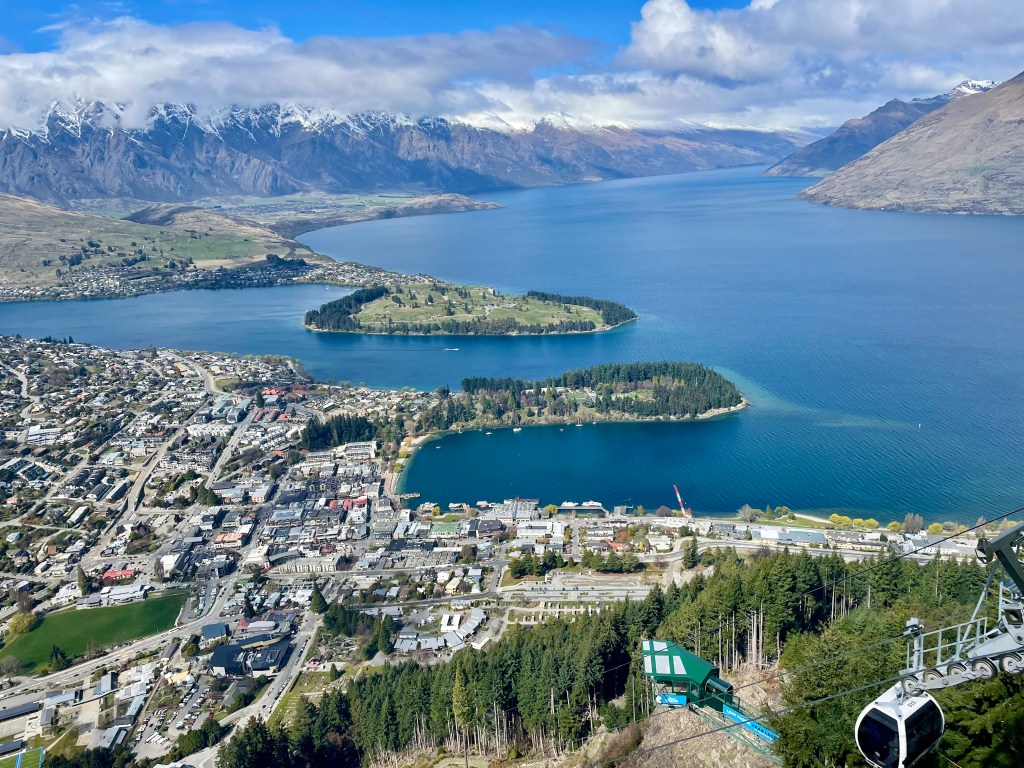
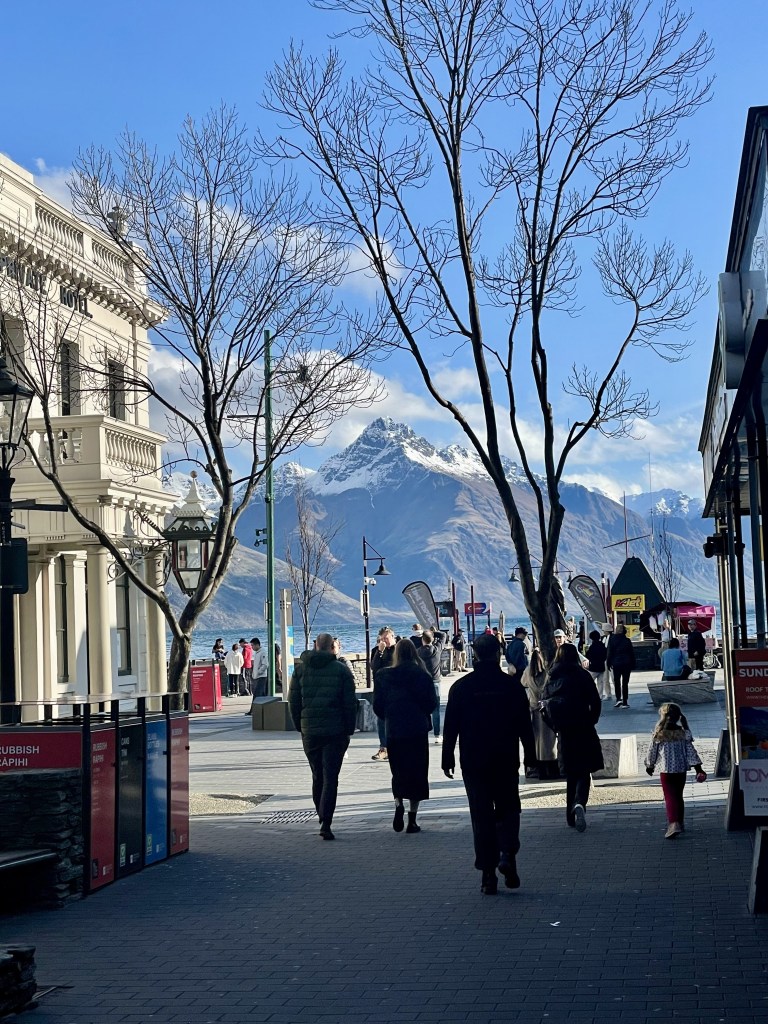
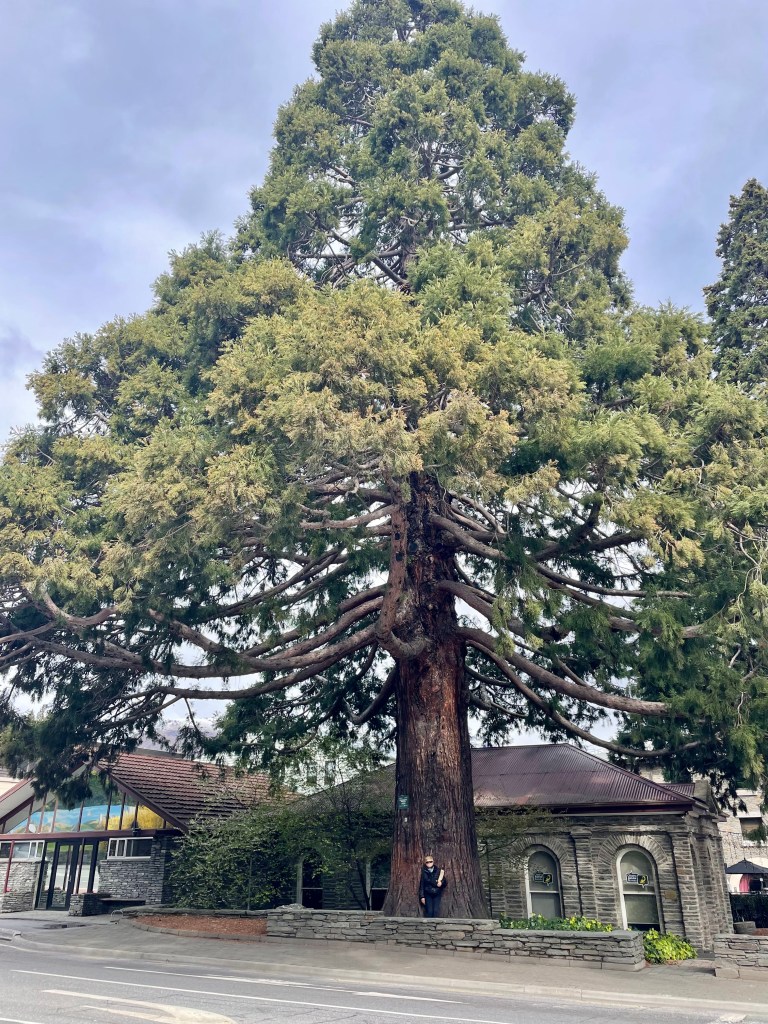
Queenstown, several hours south of Lake Tekapo, sits on the shores of Lake Wakatipu and is nestled in the Southern Alps. We decided that Queenstown is one of the most beautiful cities in the world.
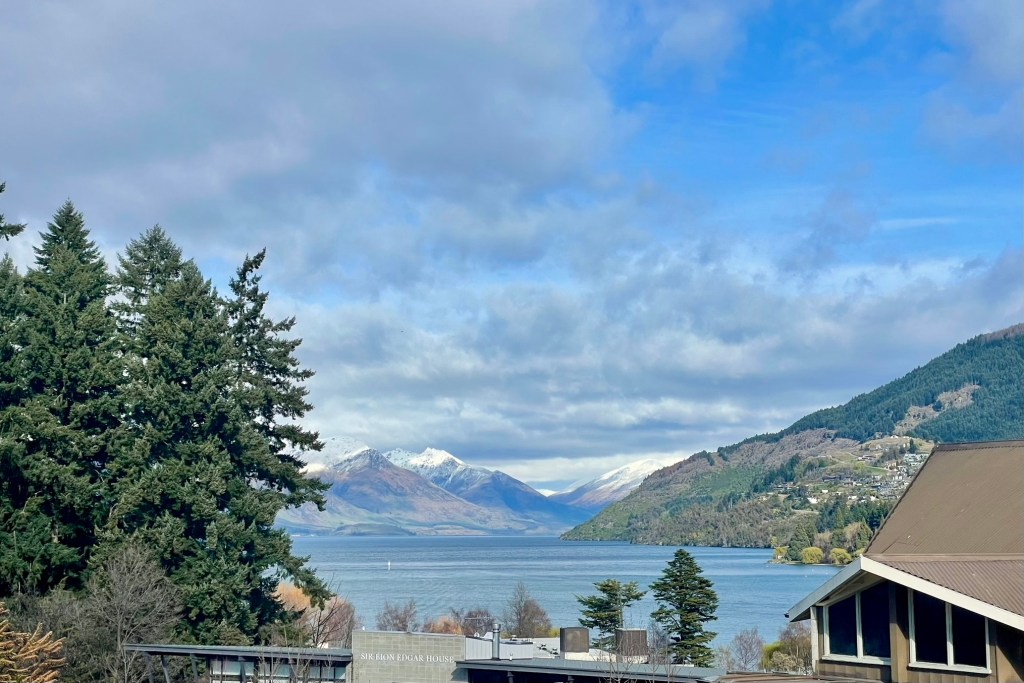
Queenstown Gardens along the lakefront in early springtime.
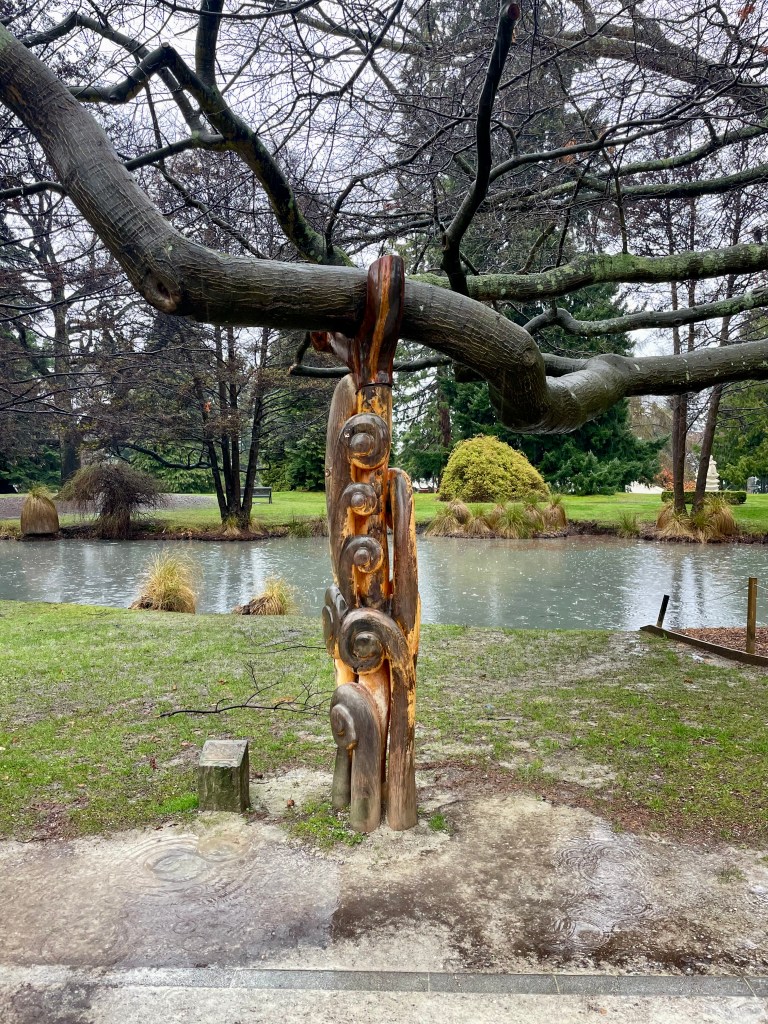
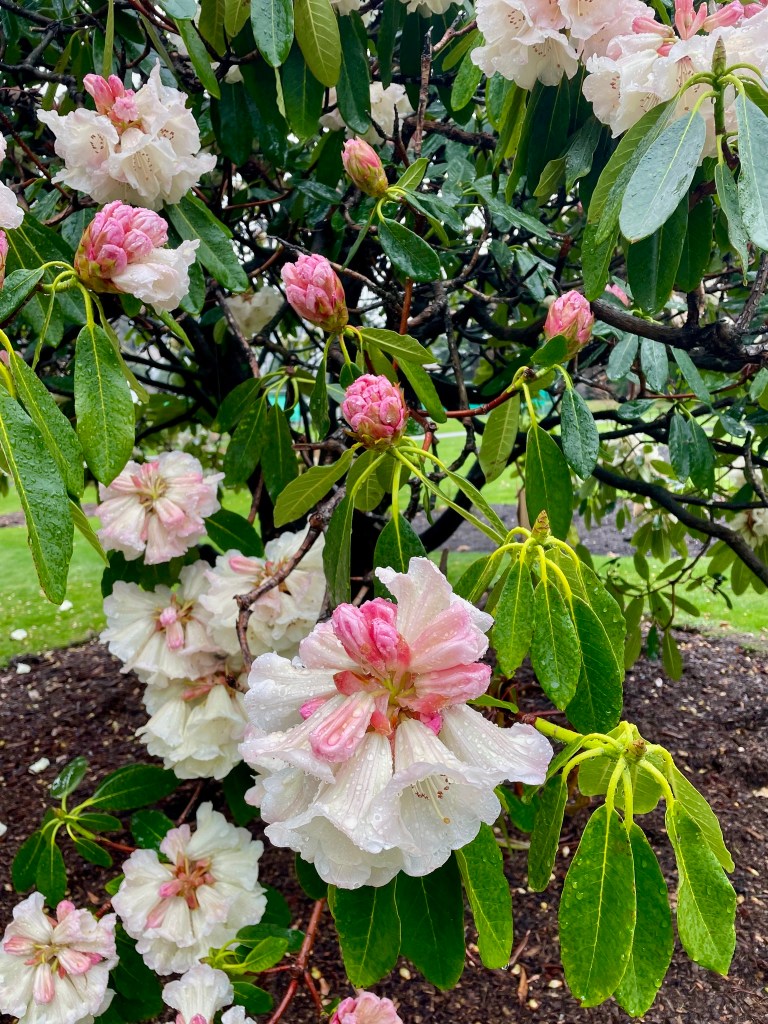

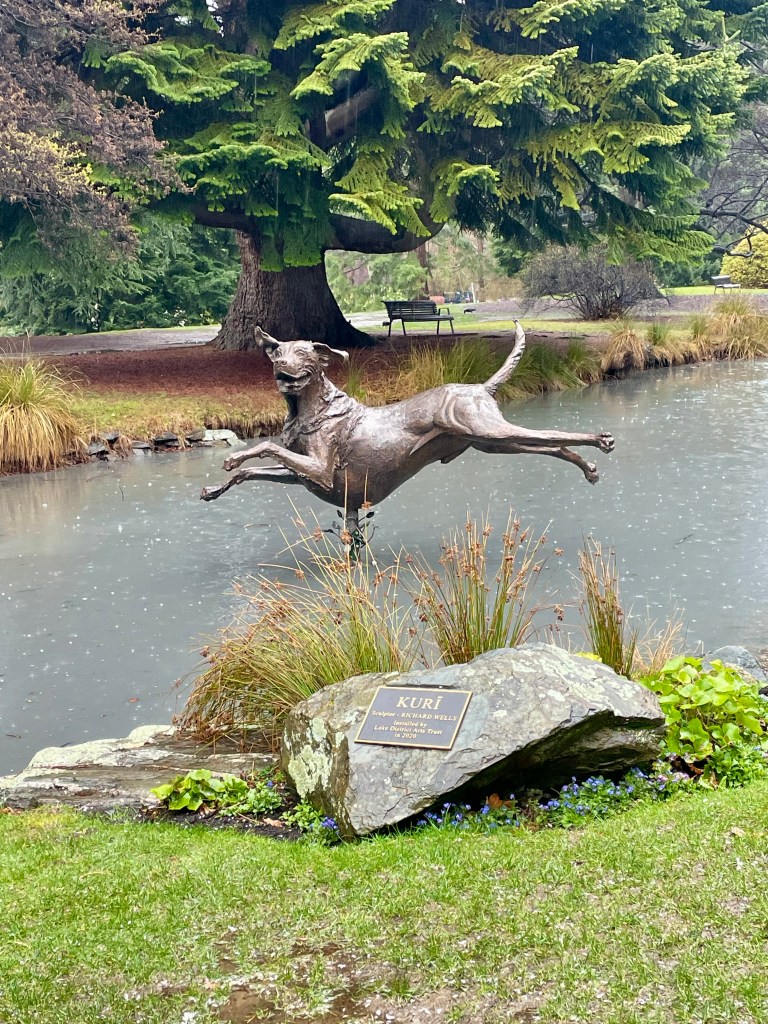
Queenstown is often referred to as the ‘Adventure Capital of the World’. Some of the best things to do there are bungee jumping, white water rafting, skiing, parachuting, jet boating, and hiking.

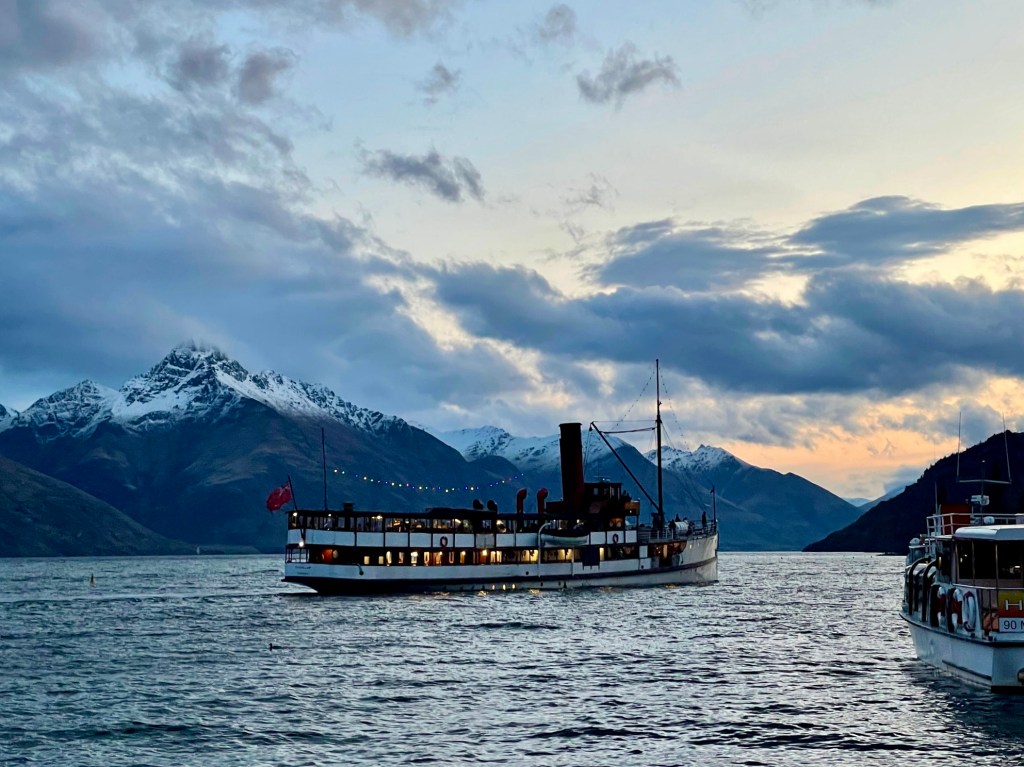
We opted for the low maintenance activity this time, and took the Skyline Gondola to the top of the mountain to enjoy the panoramic view of the town and its stunning surroundings.

Dunedin
Dunedin is at the head of Otago Harbour on the southeast coast. It is known for its Scottish and Māori heritage, Victorian and Edwardian architecture, and has a large student population (University of Otago).
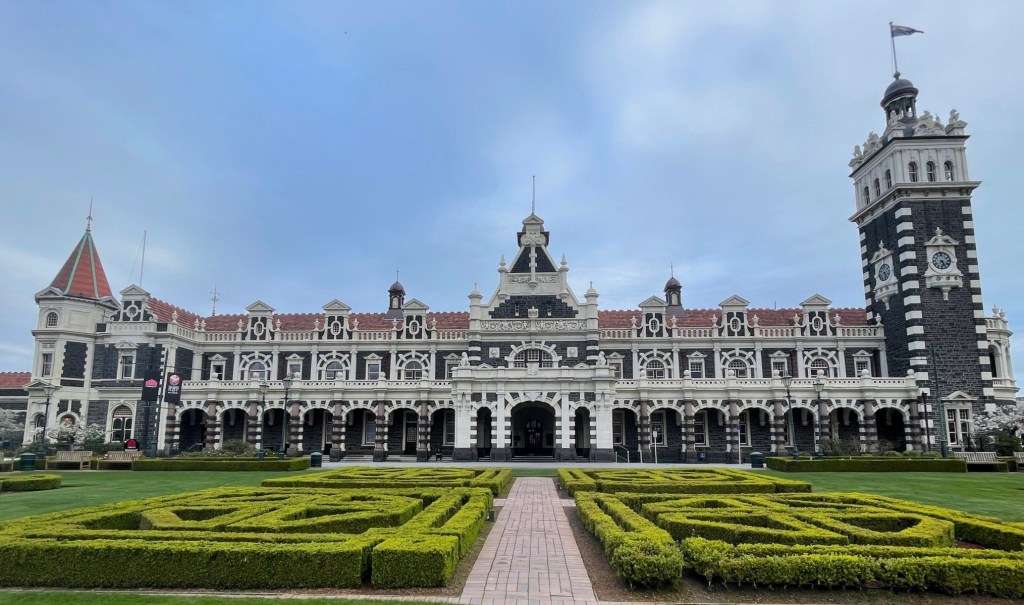
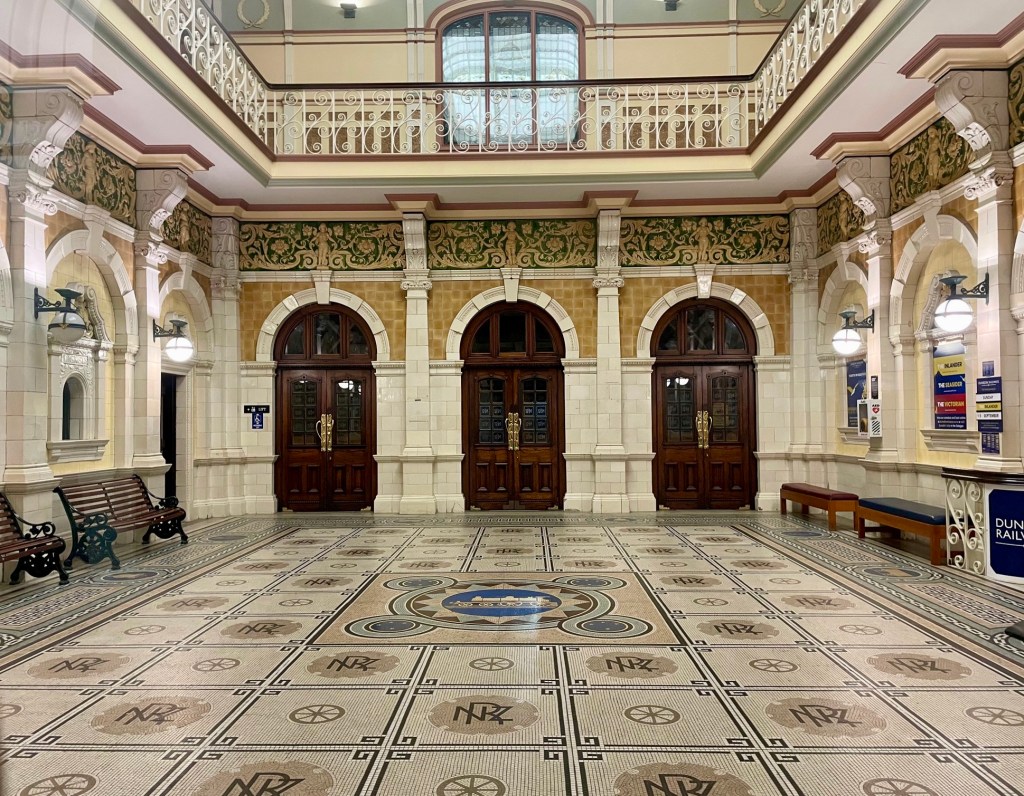

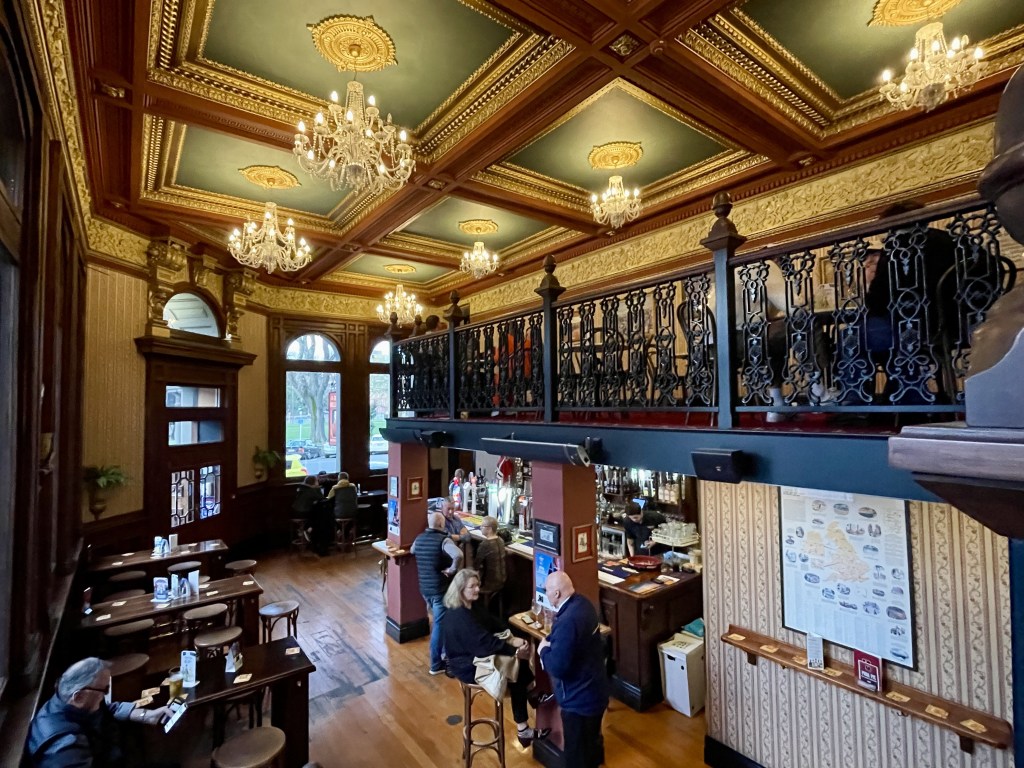
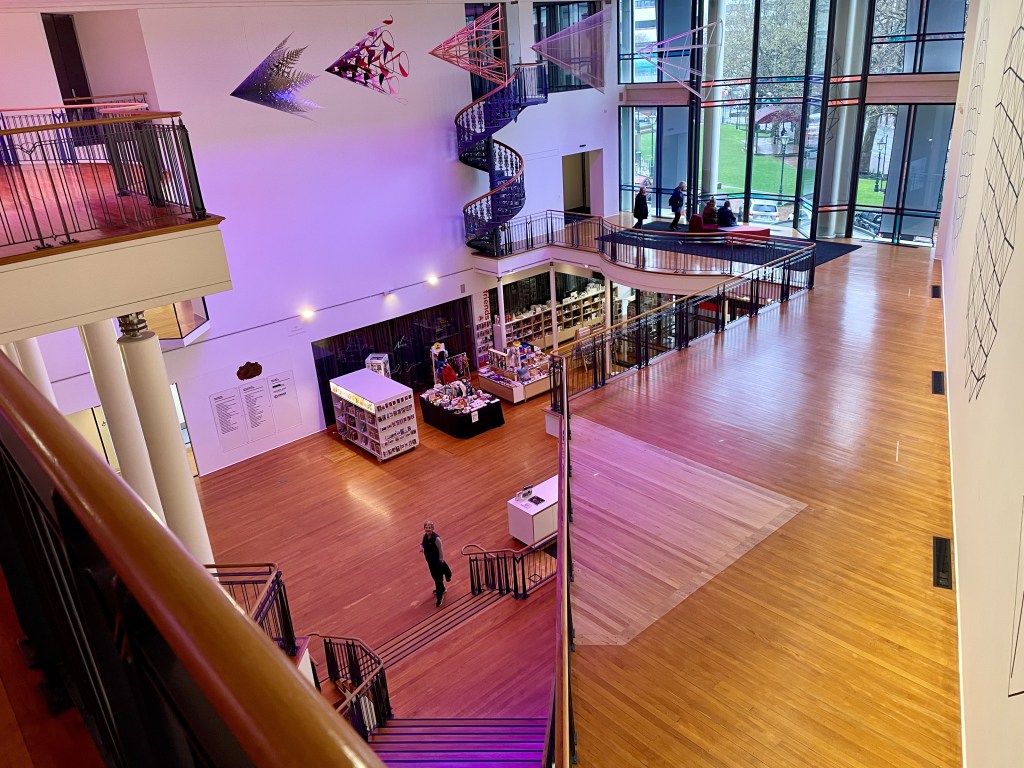
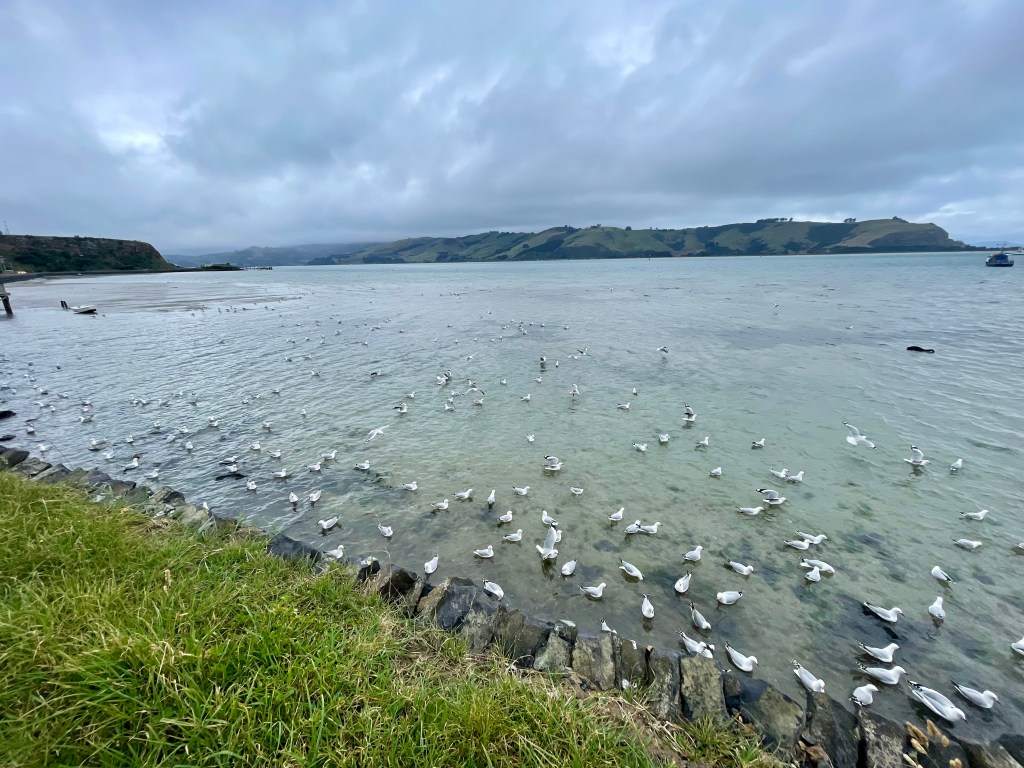
Along the coast of Otago Harbour.


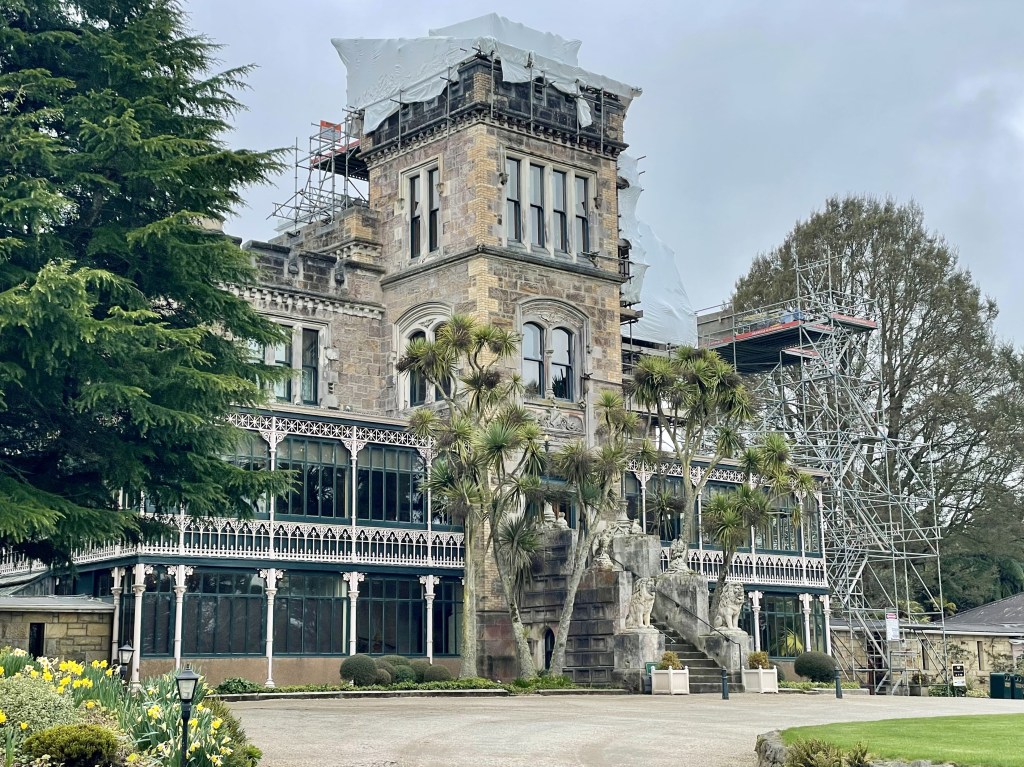
Larnach Castle
The famous Larnach Castle is located several miles east of Dunedin. It was built in 1871 by William Larnach, a baron merchant and politician, for his first wife. It took over 200 workmen more than three years to build the Castle exterior, and master European craftsmen spent an additional 12 years to complete the interior.
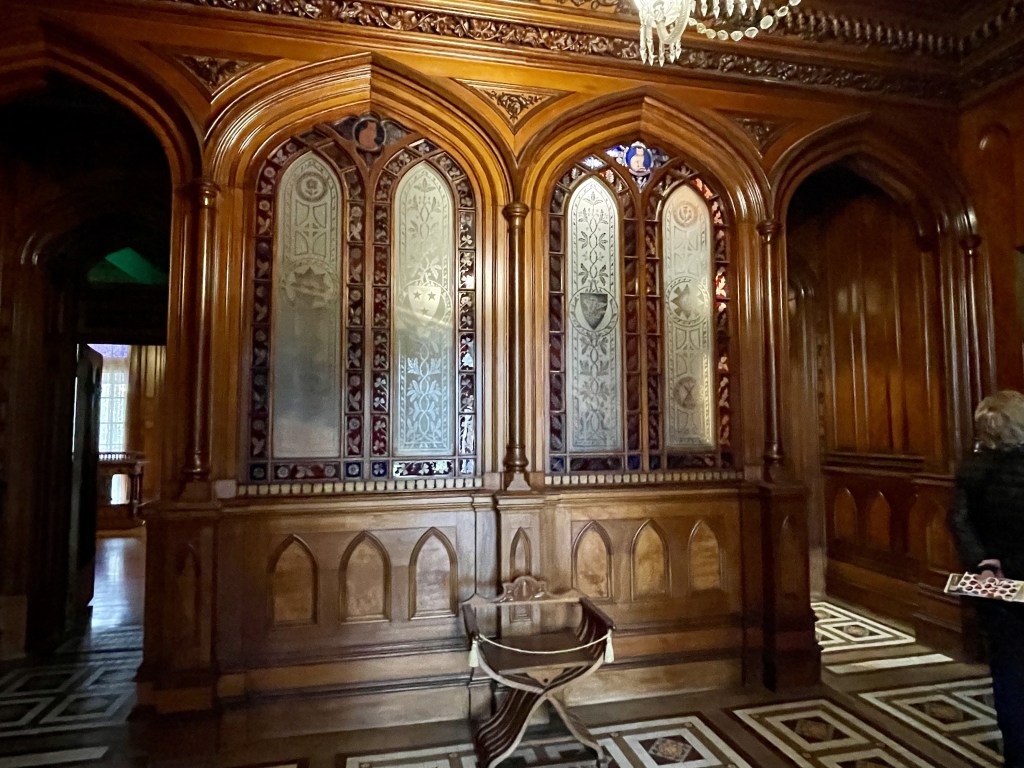

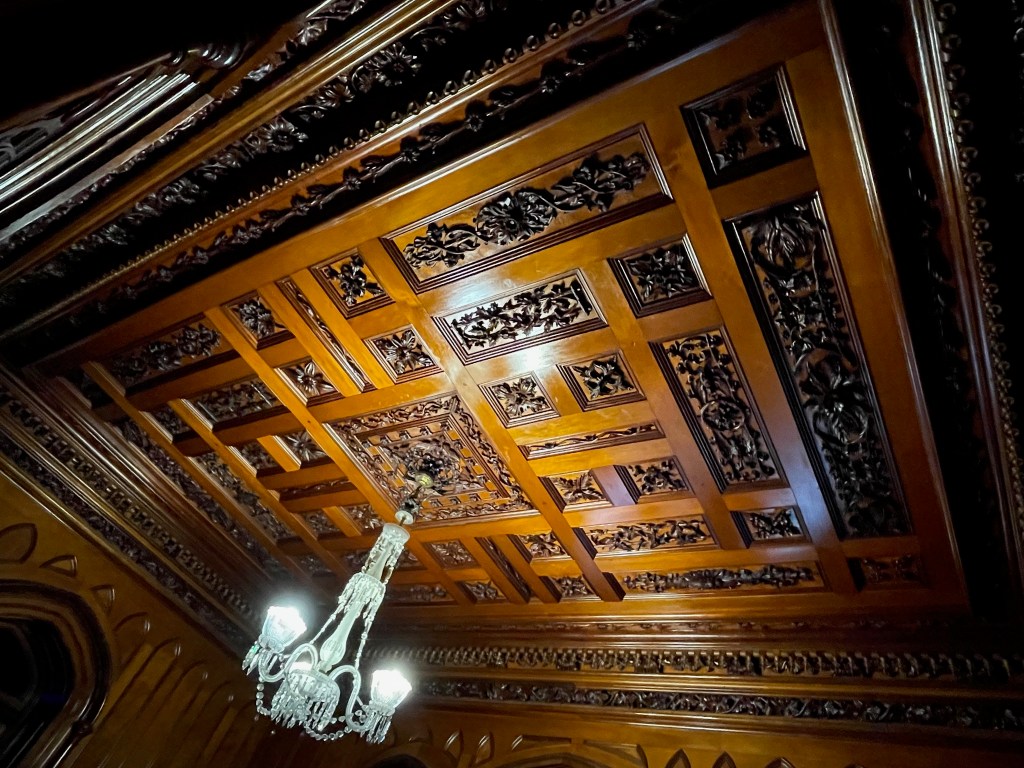

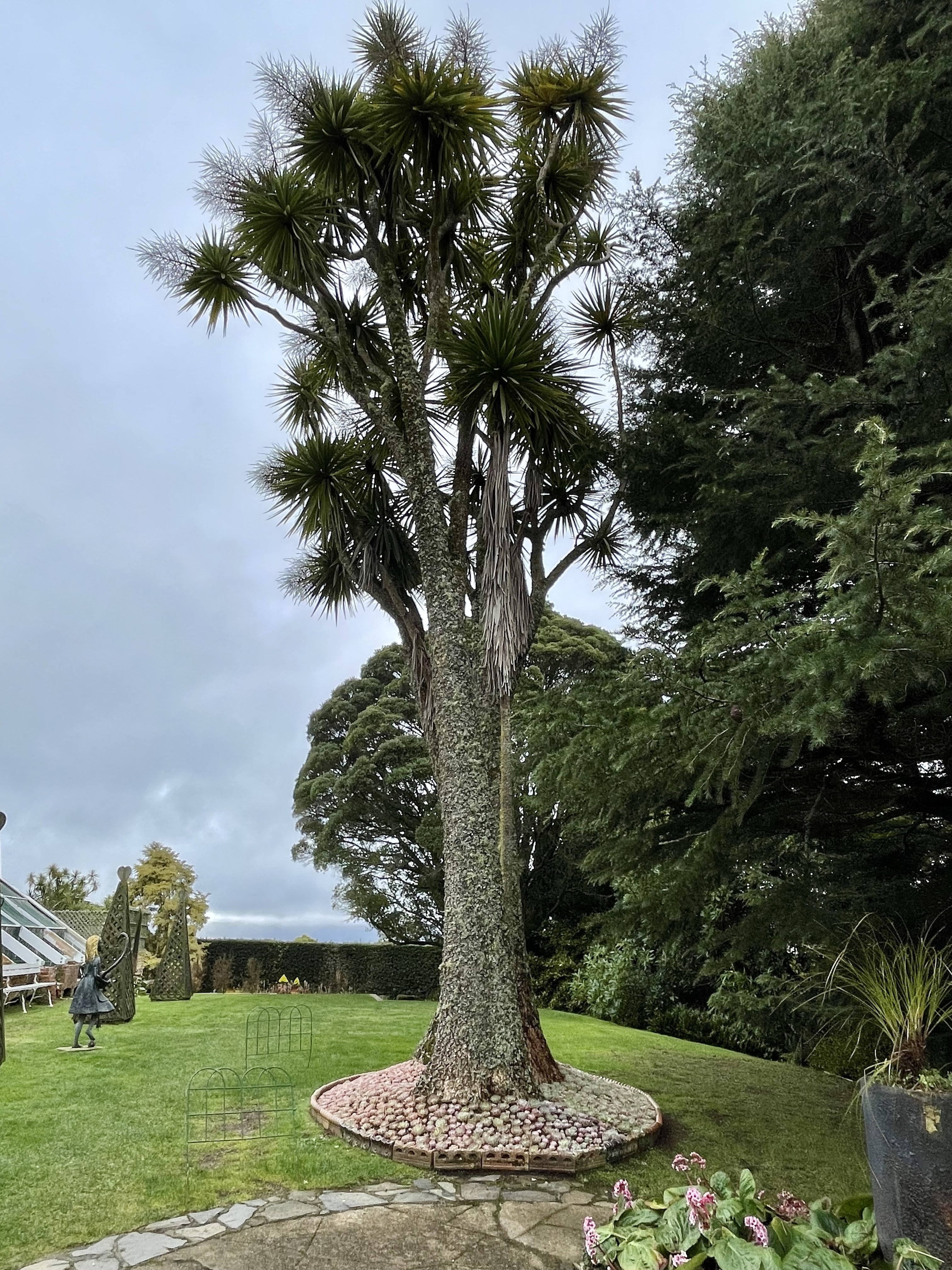
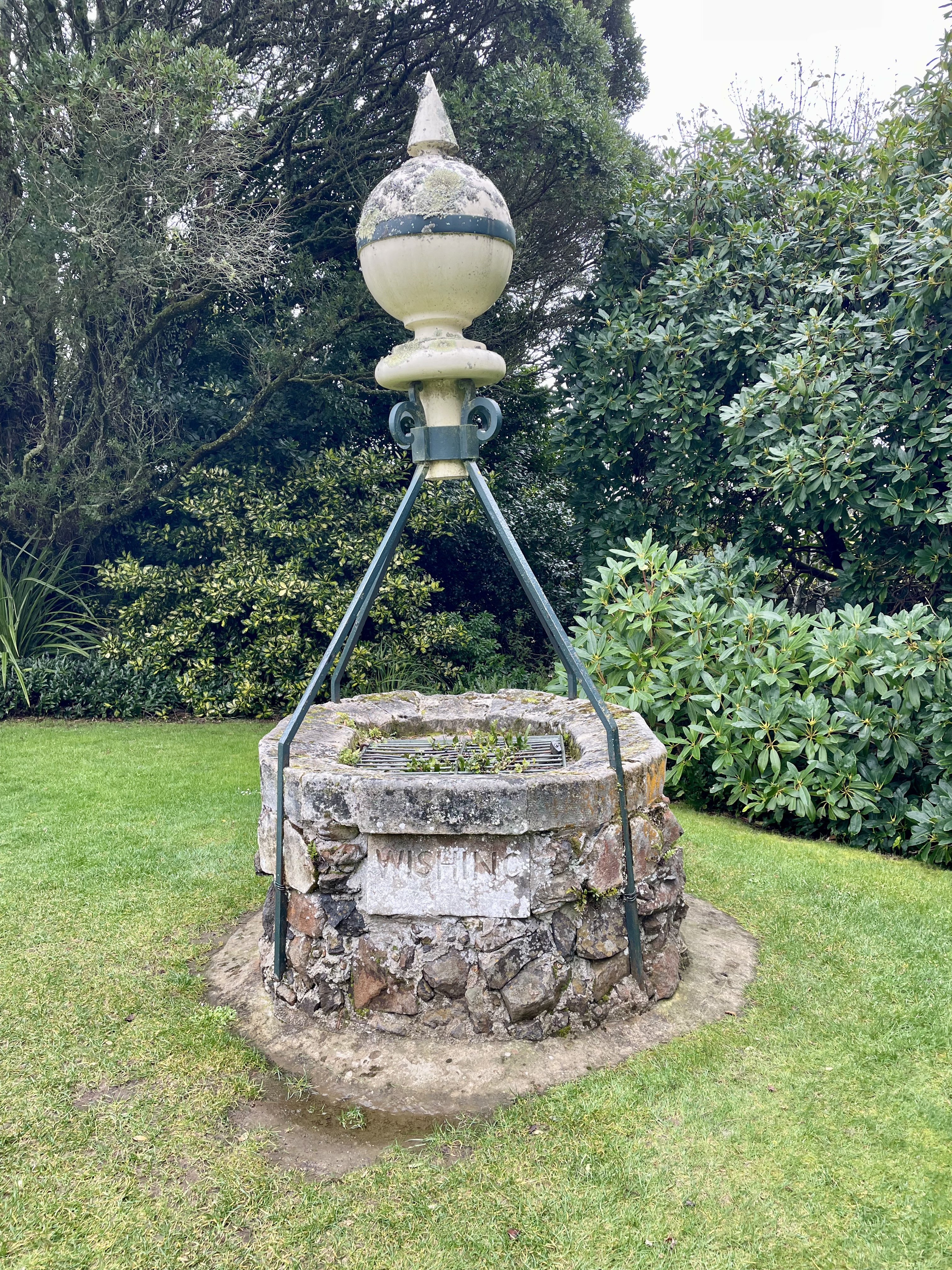
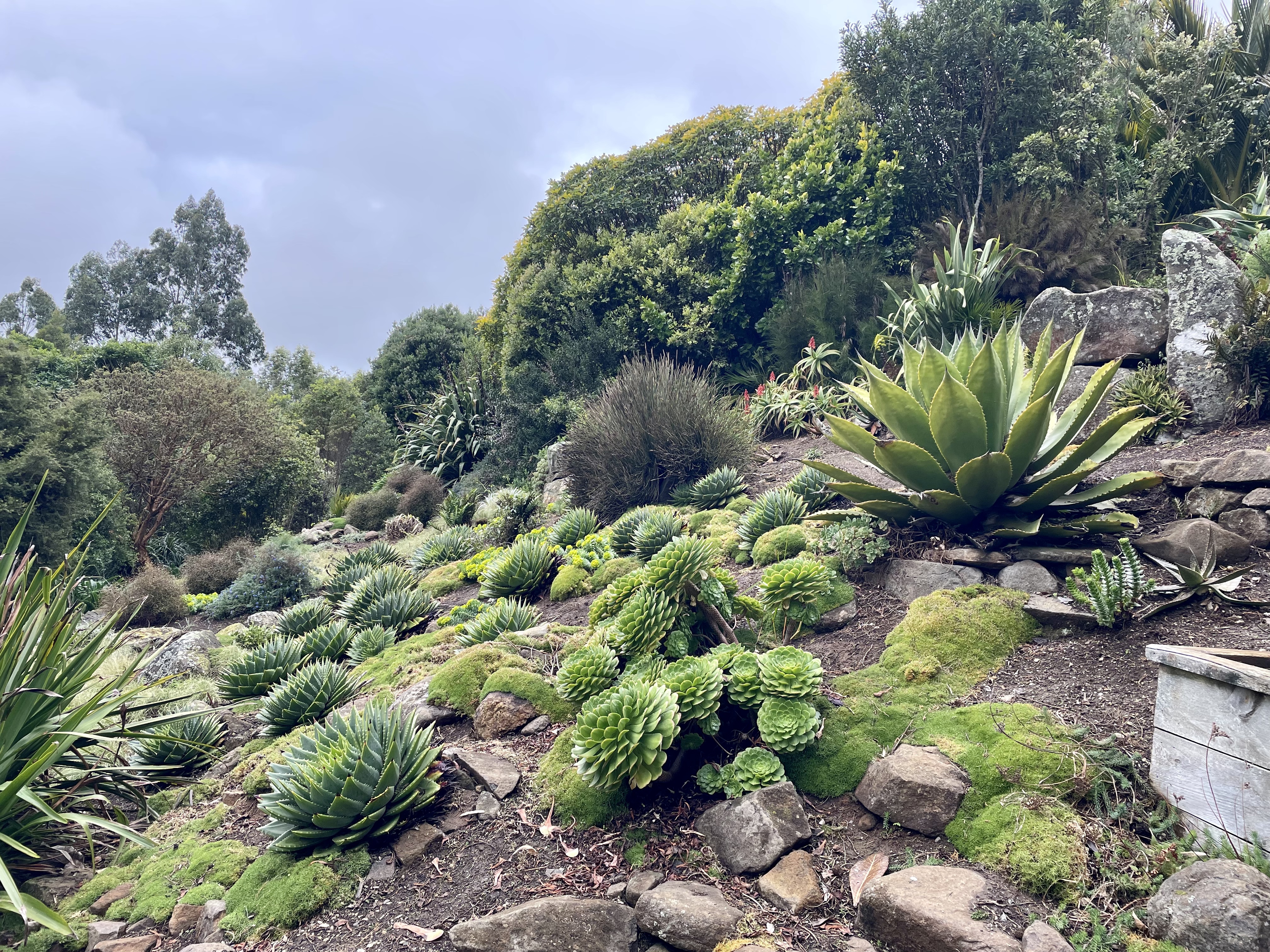
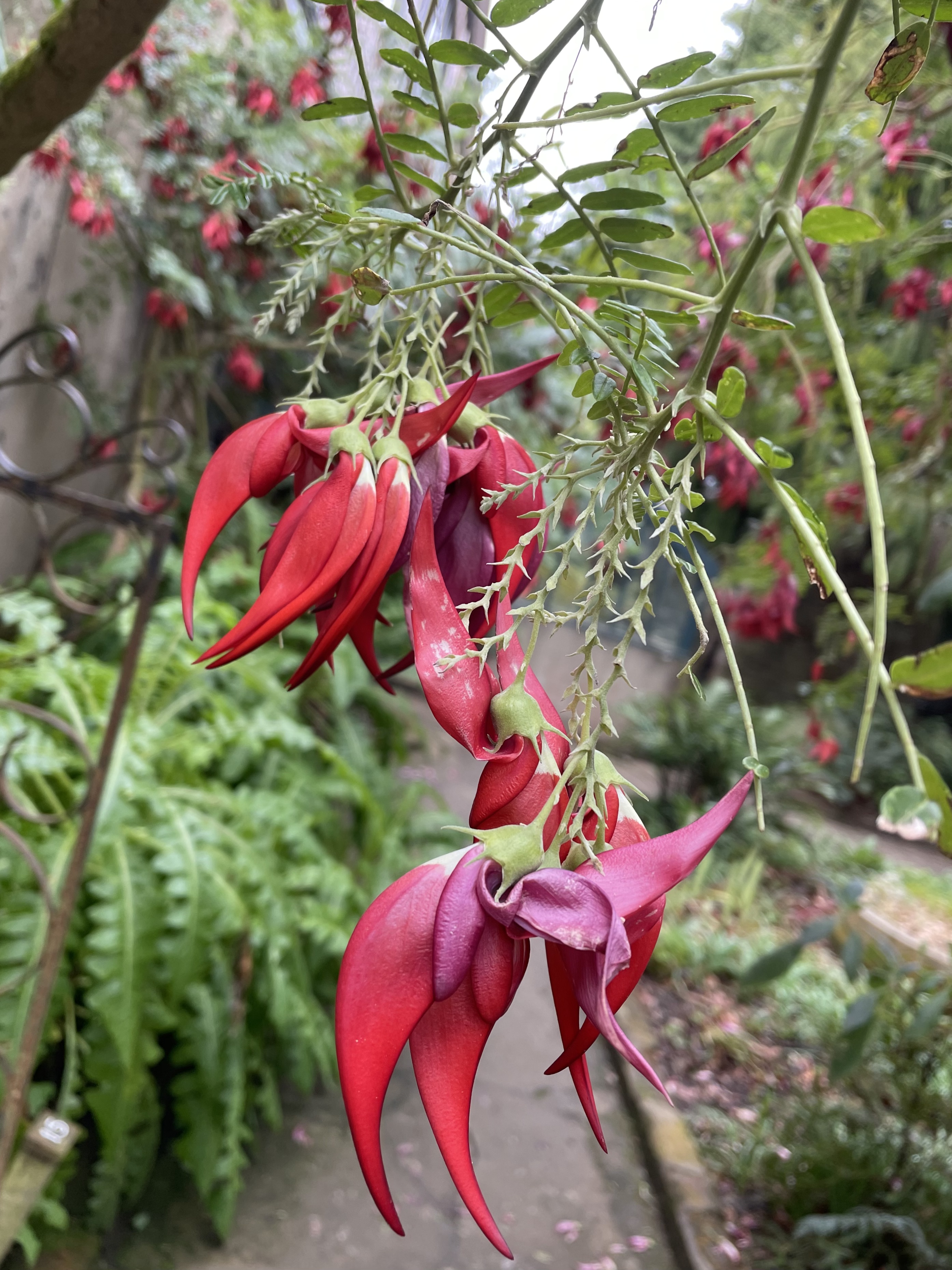
The Castle Gardens
Today the Castle is still privately owned and cared for by the Barker family who purchased it as their home in 1967. Apparently, Mrs. Barker, over 80 years old, comes every Sunday to tend the extensive gardens.



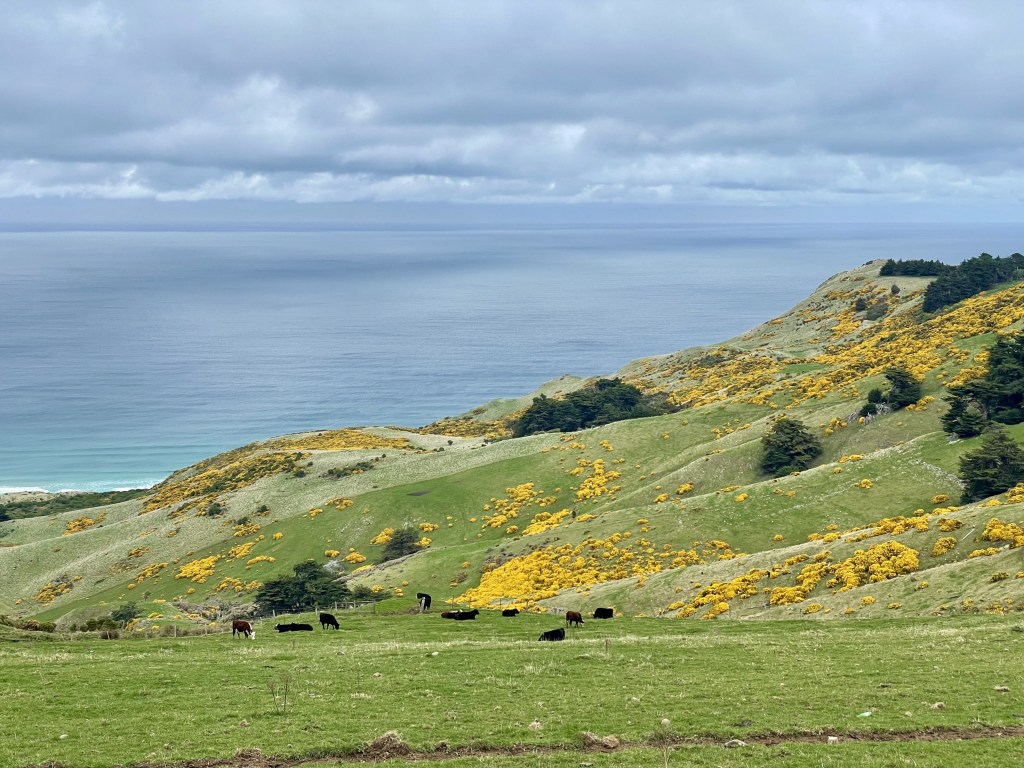
Bluff—the southern tip of the South Island

Stewart Island
Stewart Island is New Zealand’s third largest island and is located 35 kilometers off the southern shore of the South Island, across the Foveaux Strait.
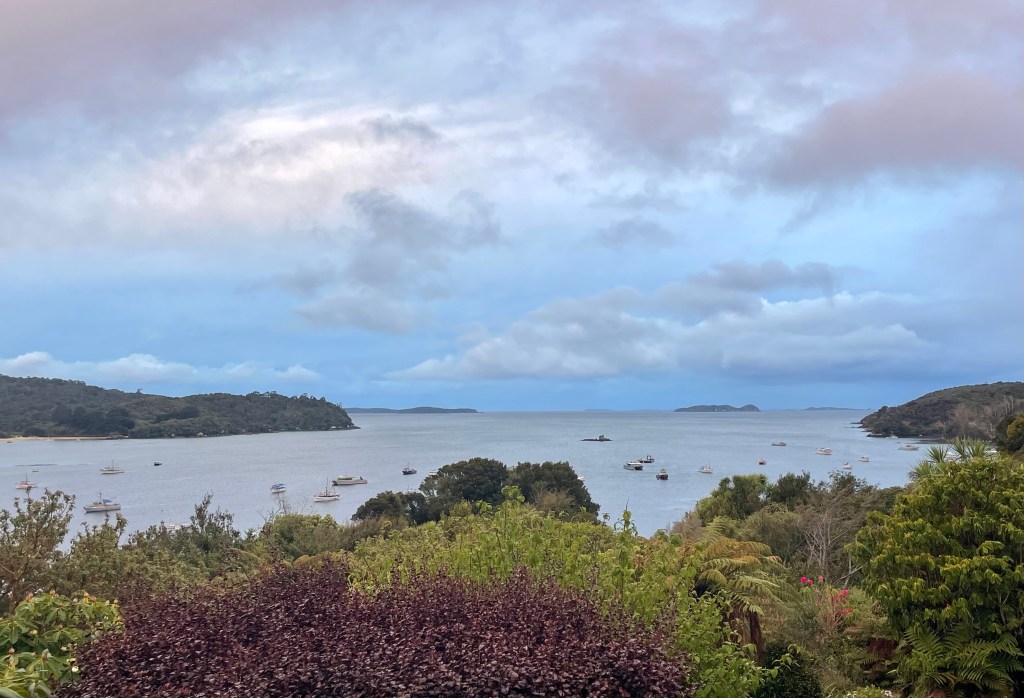
The Island is mostly occupied by the Rakiura National Park. The settlement of Oban, in Halfmoon Bay, houses the only restaurant in the island, in the South Seas Hotel —and is where all the Island’s socializing takes place.
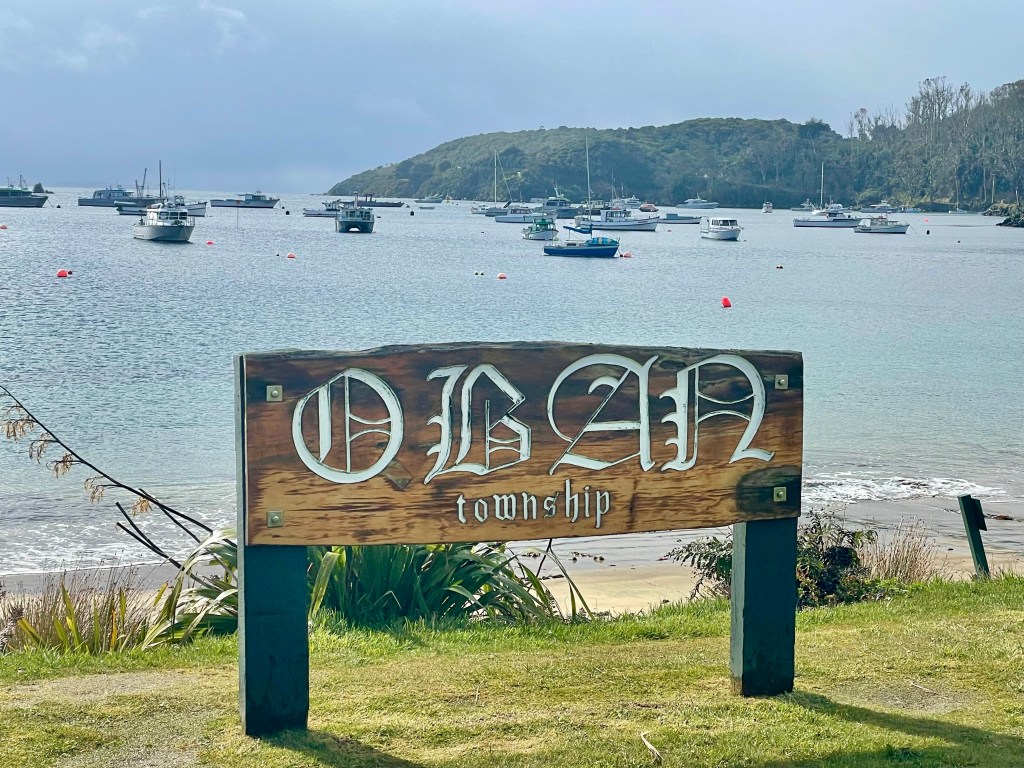
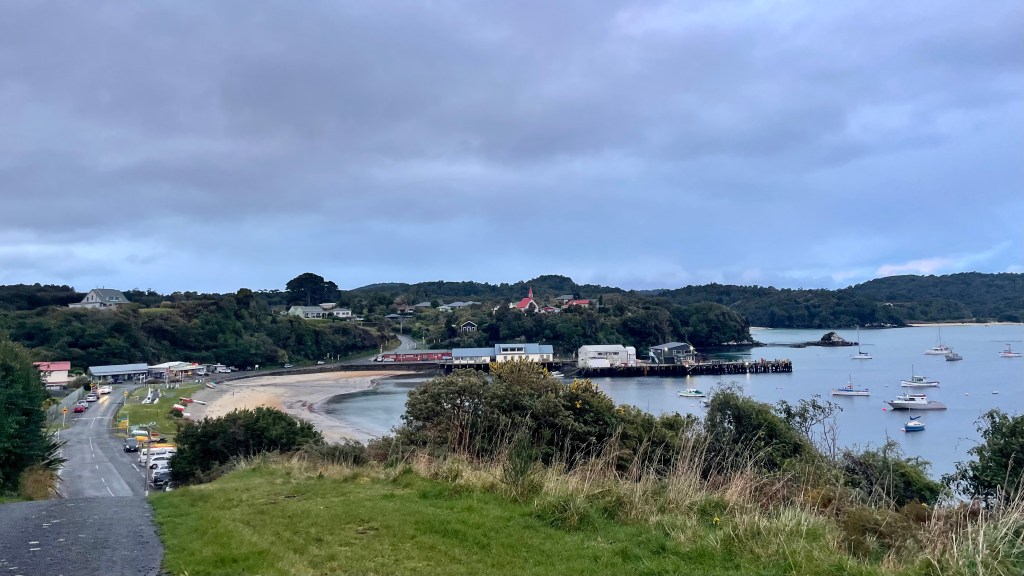
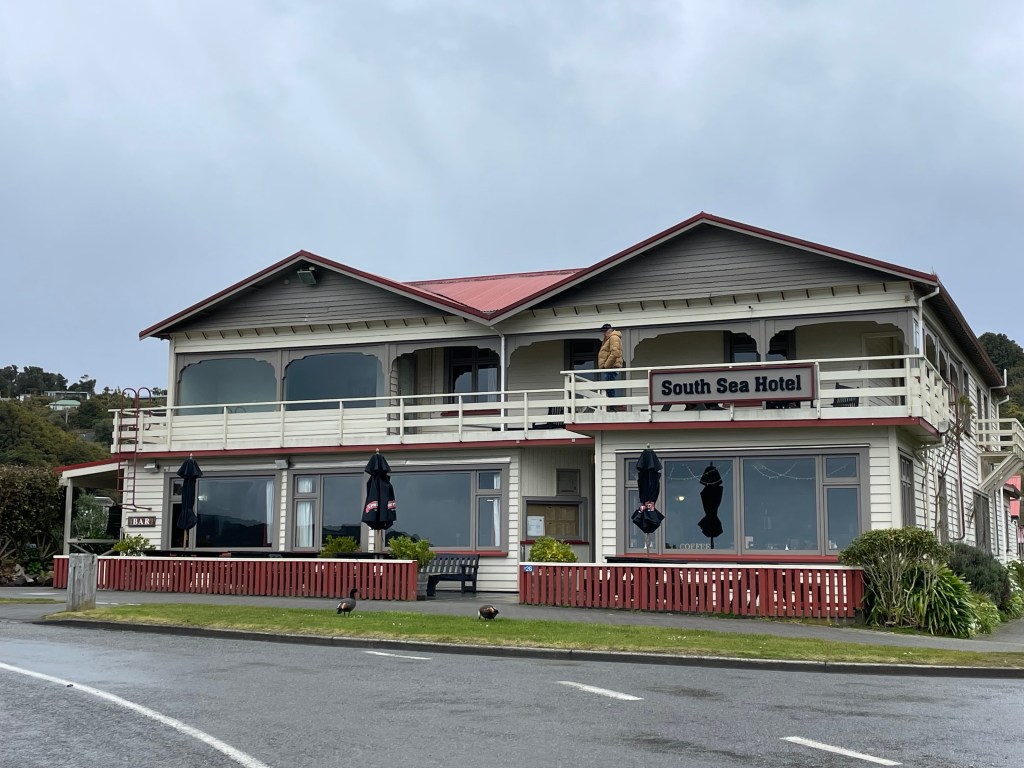
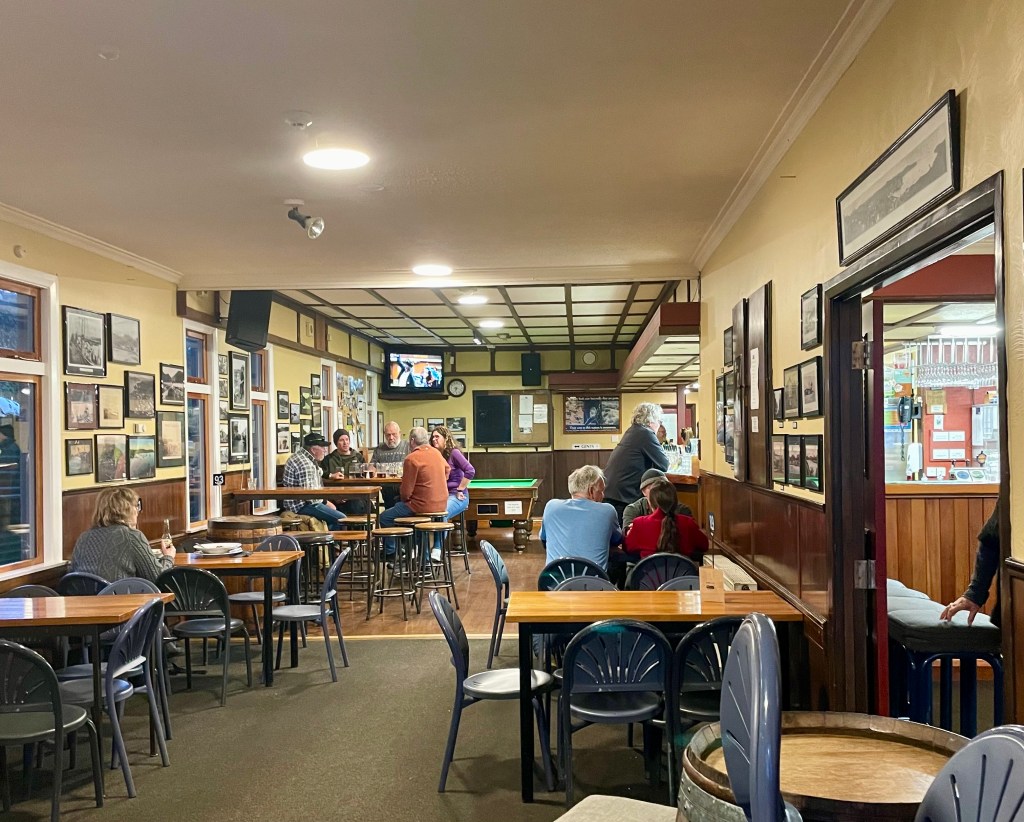
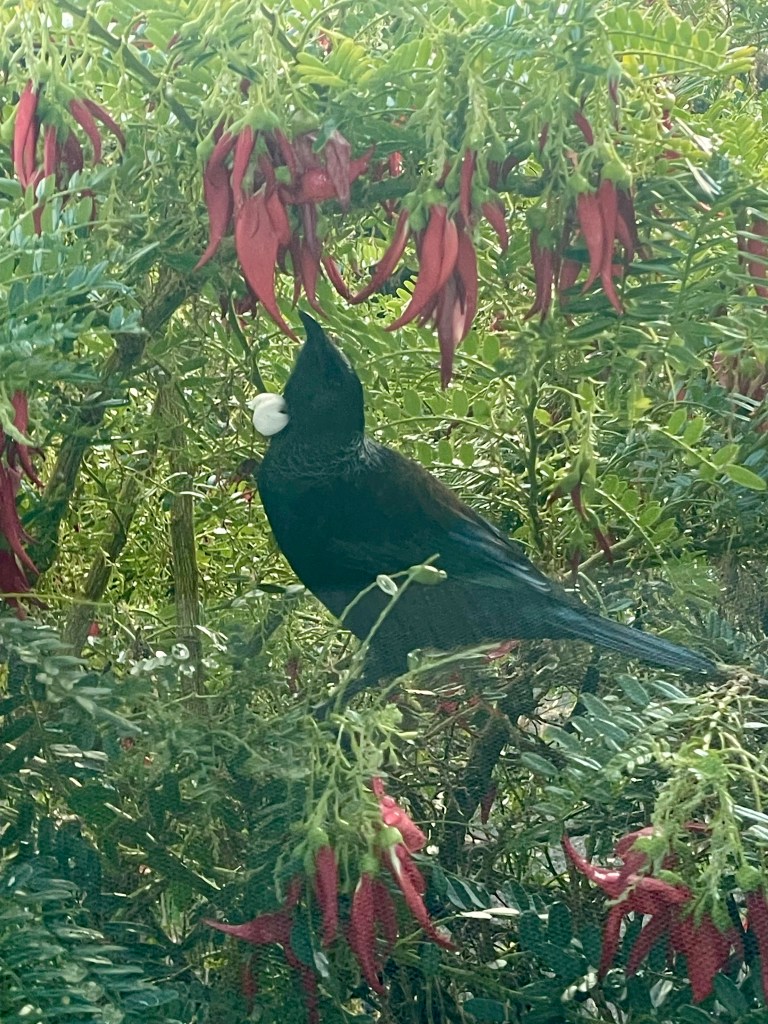
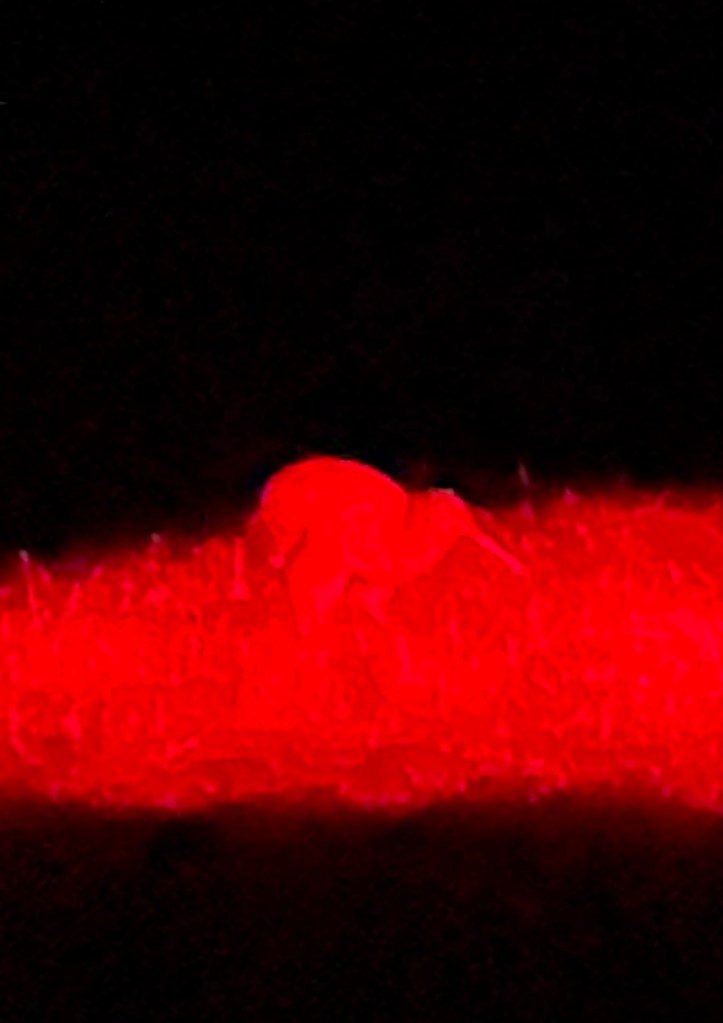
Kiwis—to be seen only in the dark of night!
Due to its remote location and few predators, the Island is a wildlife haven for birds and is a great place to see the southern brown Kiwi. Since Kiwis are nocturnal, we took an evening walking tour at the Ryan Creek Aerodome with red flashlights (the red light does not disturb the birds) to observe them, and with great pleasure watched several Kiwis looking for their evening meal: underground worms!
Fiordland National Park
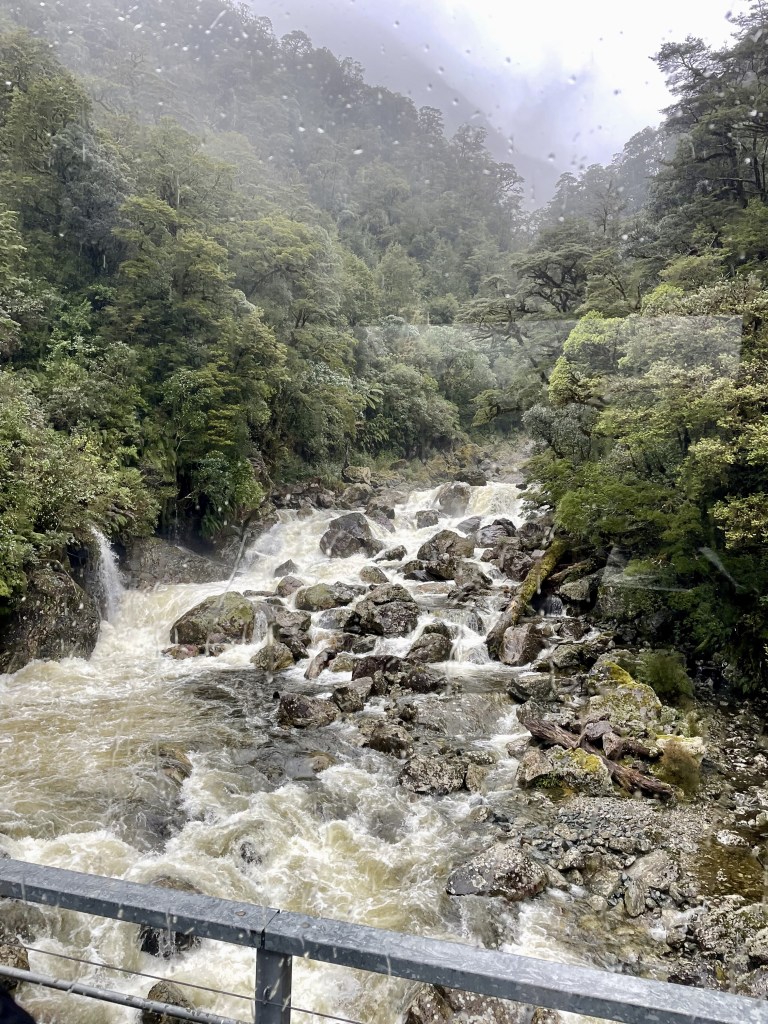
Fiordland National Park, in the southwest corner of the South Island, is an area of extraordinary beauty that we were fortunate to visit, despite several days of inclement weather and difficult access. These dramatic landscapes are characterized by steep glacier-carved cliffs plunging into deep waters.
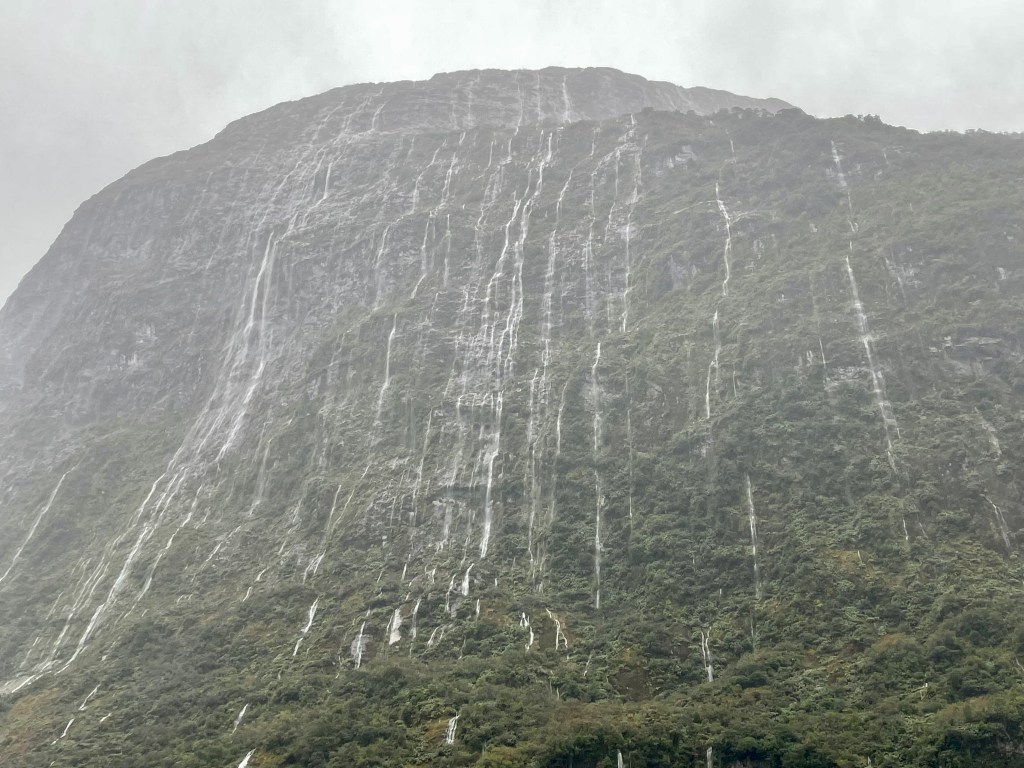
The southern ranges of the Southern Alps cover most of Fiordland National Park and is mostly accessible only by boat.
This UNESCO World Heritage site is home to some of the most stunning fiords in the world, including the famous Milford Sound and Doubtful Sound.
Doubtful Sound
Doubtful Sound is the second most popular fiord to visit. We had a delightful overnight stay on a very comfortable small ship. The trip involved a transfer boat across the lake and a bus trip over a mountain pass to reach the ship that would take us around the sound and out to the sea.


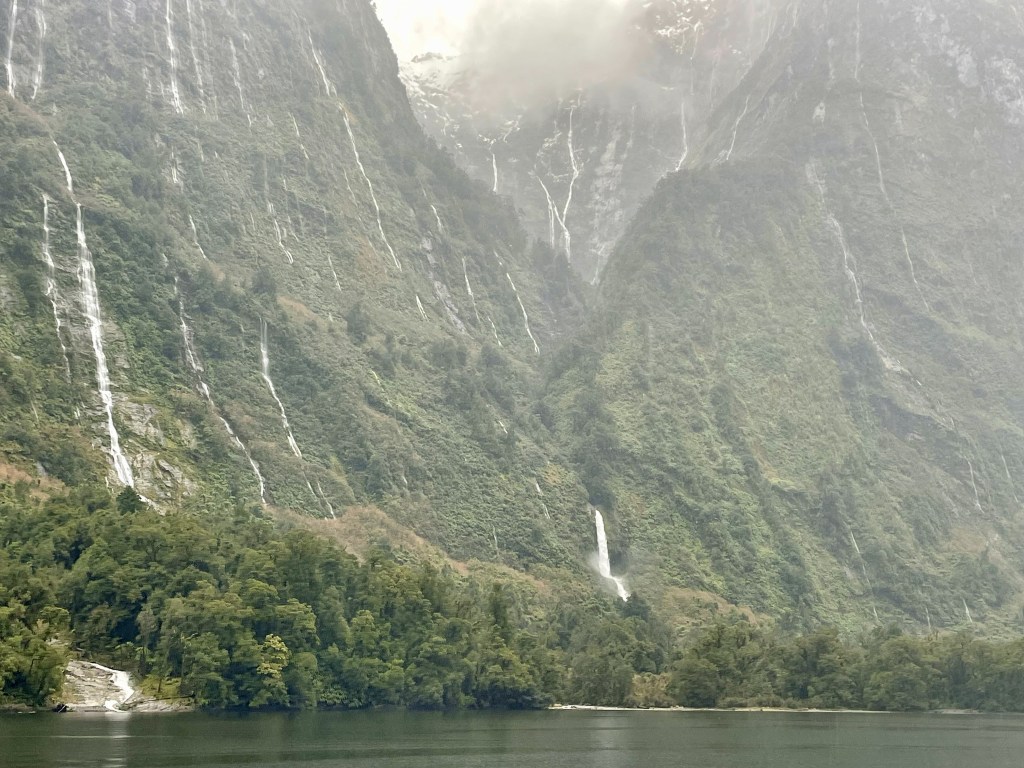
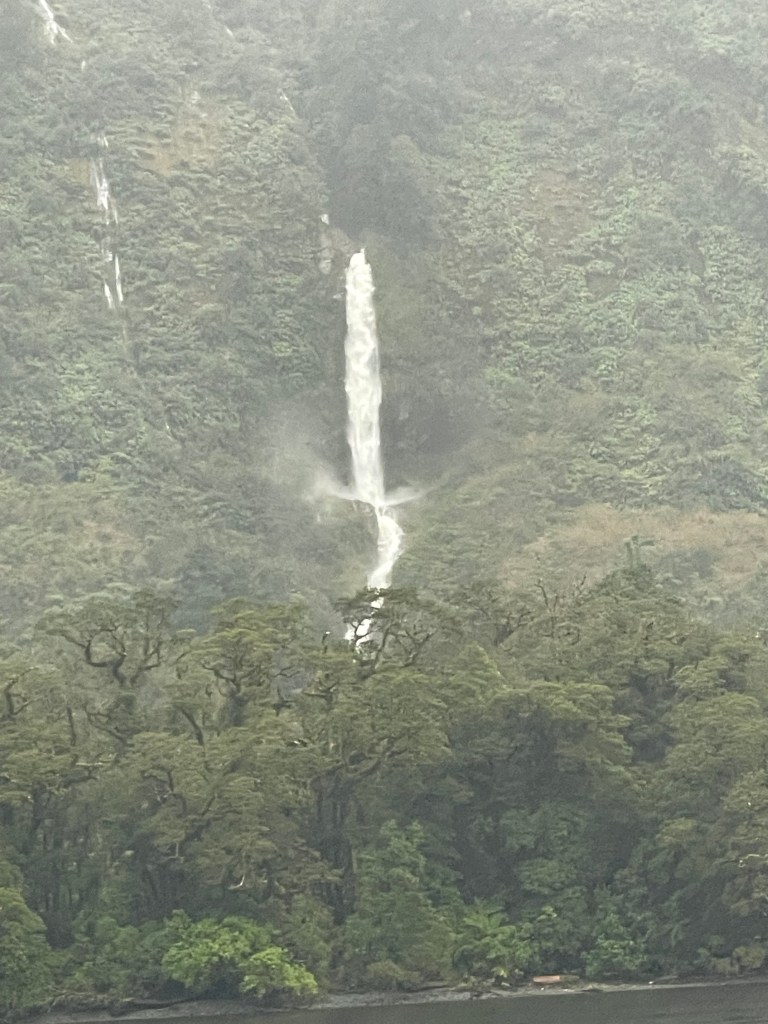
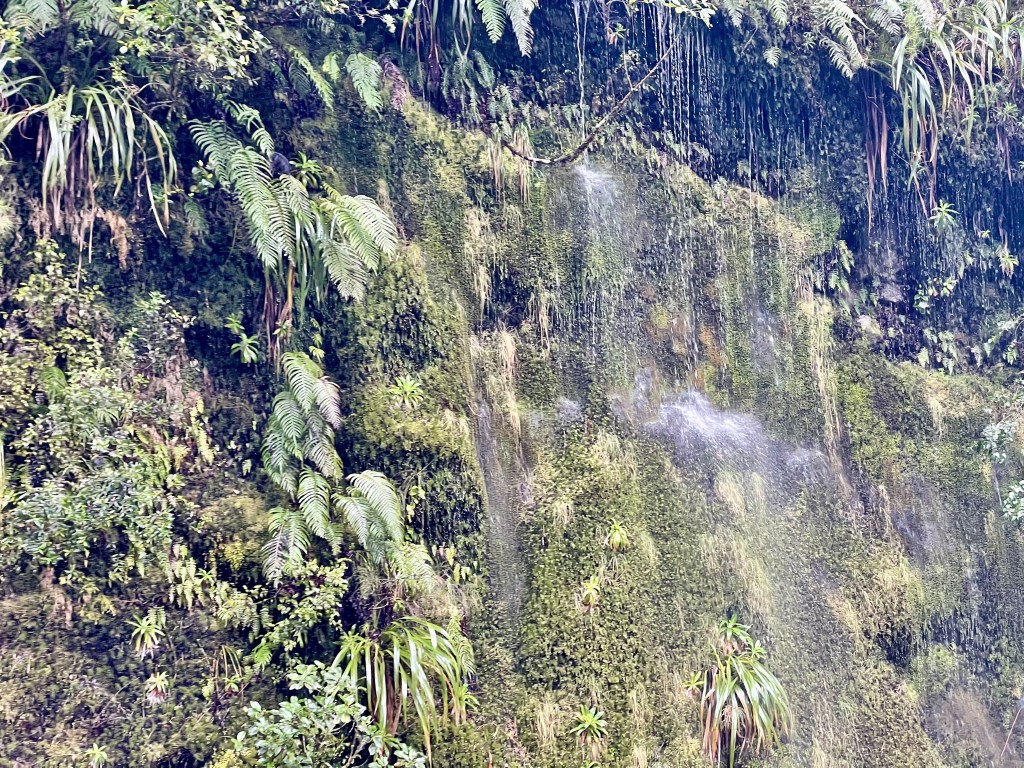
After our overnight cruise in Doubtful Sound, we drove to Lake Te Anau, where the small village of Te Anau is located. The next morning, we drove to Milford Sound in freezing weather, not knowing if we would be able to access the mountain pass.
Te Anau
Lake Te Anau was a nice place to stop for the night.


Milford Sound
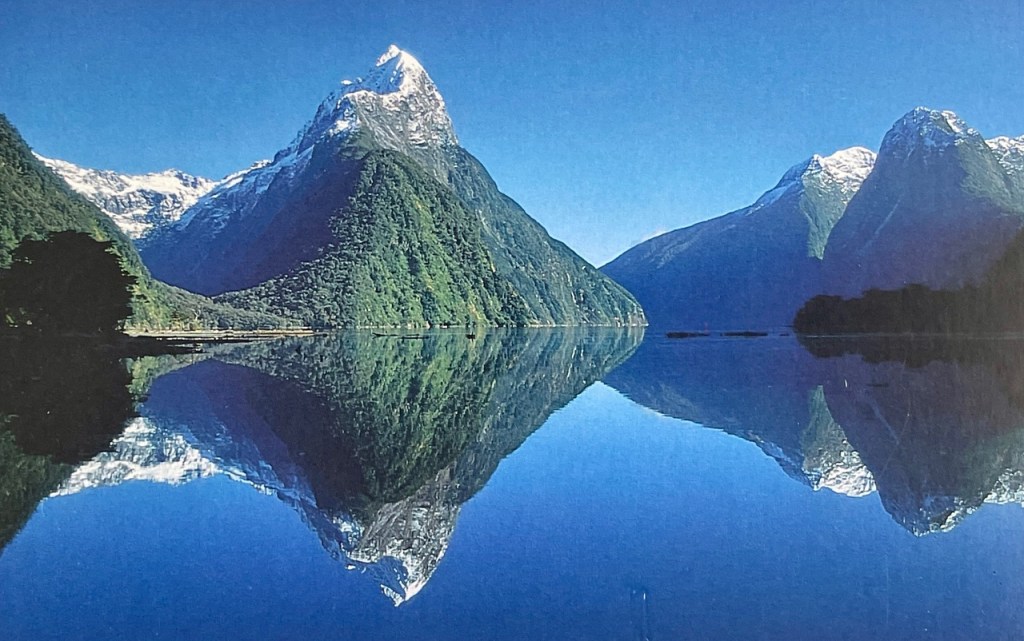
Milford Sound is often referred to as the “jewel” of the fiords with its magnificent mountainous peaks. It is the most famous fiord, boasting the world’s highest waterfalls (up to 1000 meters). Also known as the wettest inhabited place in New Zealand. Locals joke that the rain is measured only in meters—instead of the usual millimeters or inches. The pass into Milford Sound is often closed during the rainy months, and the day we went it was snowing but the pass opened just as we arrived.
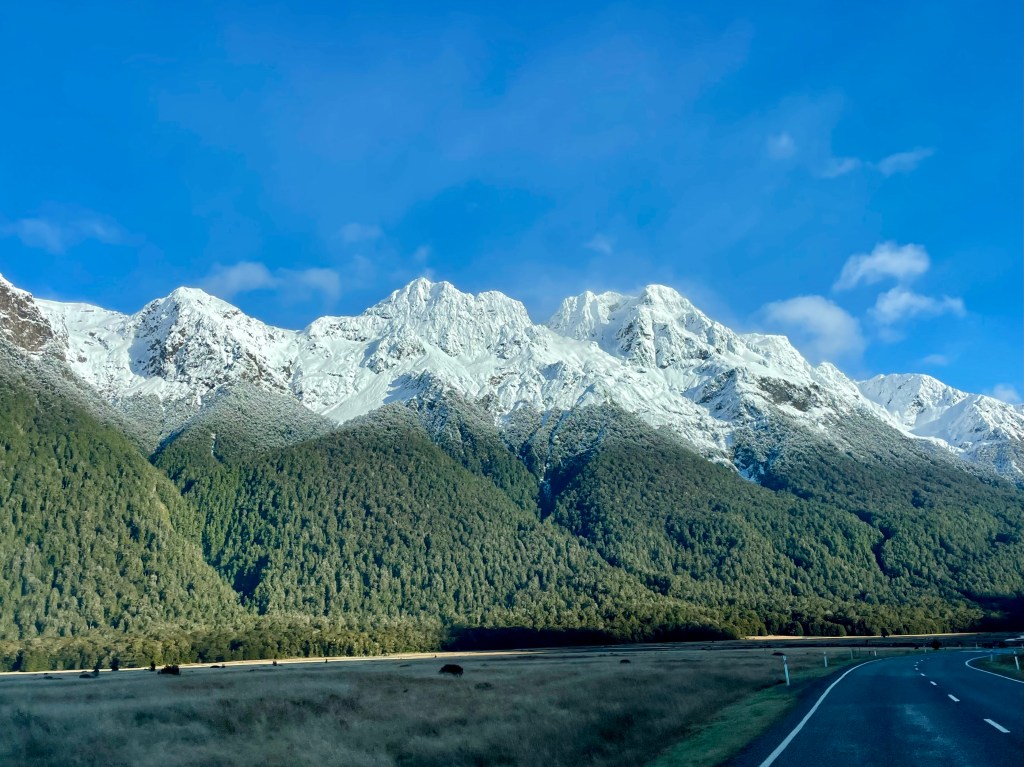
Driving over the pass to Milford Sound with snow on the ground
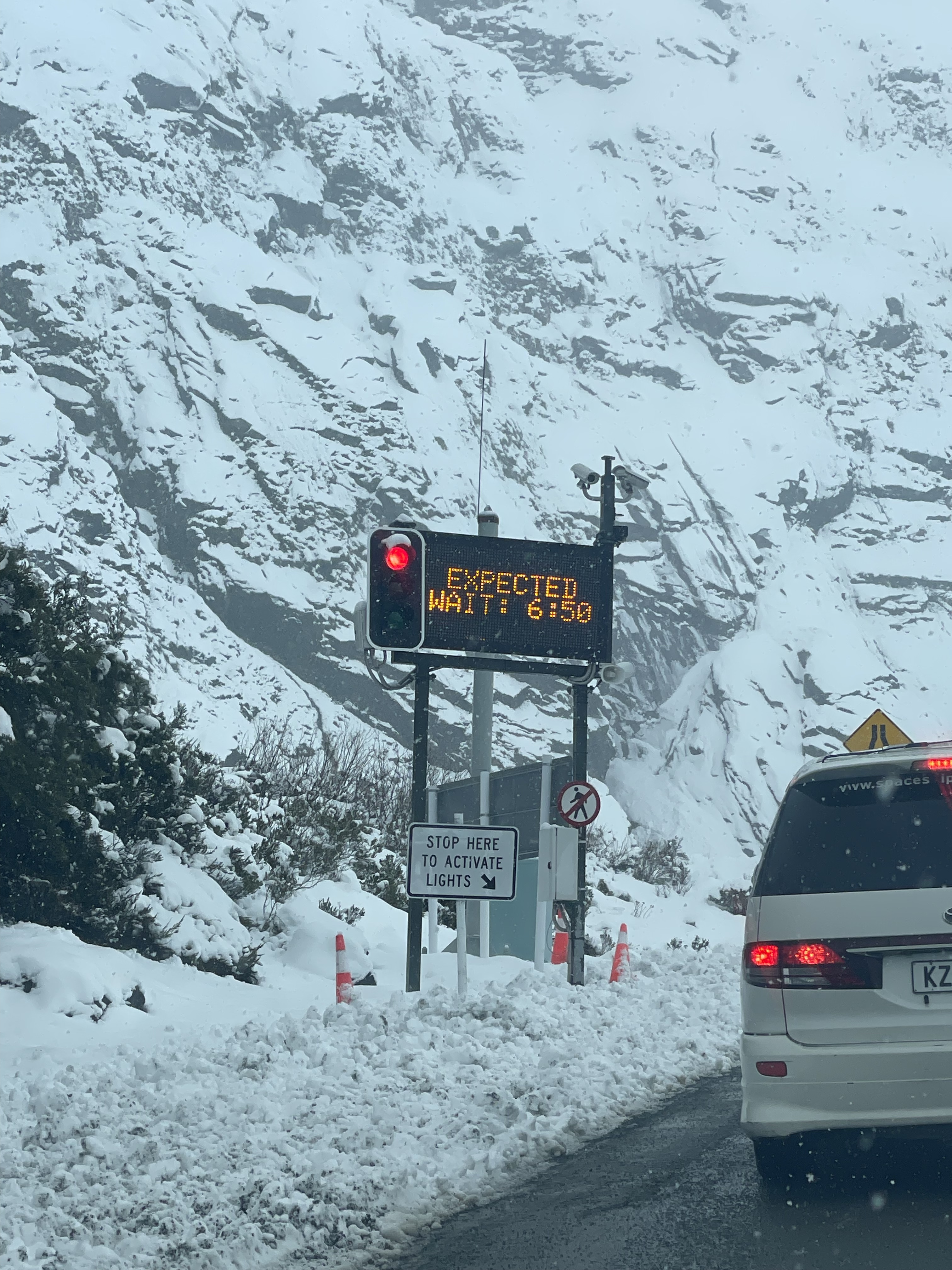
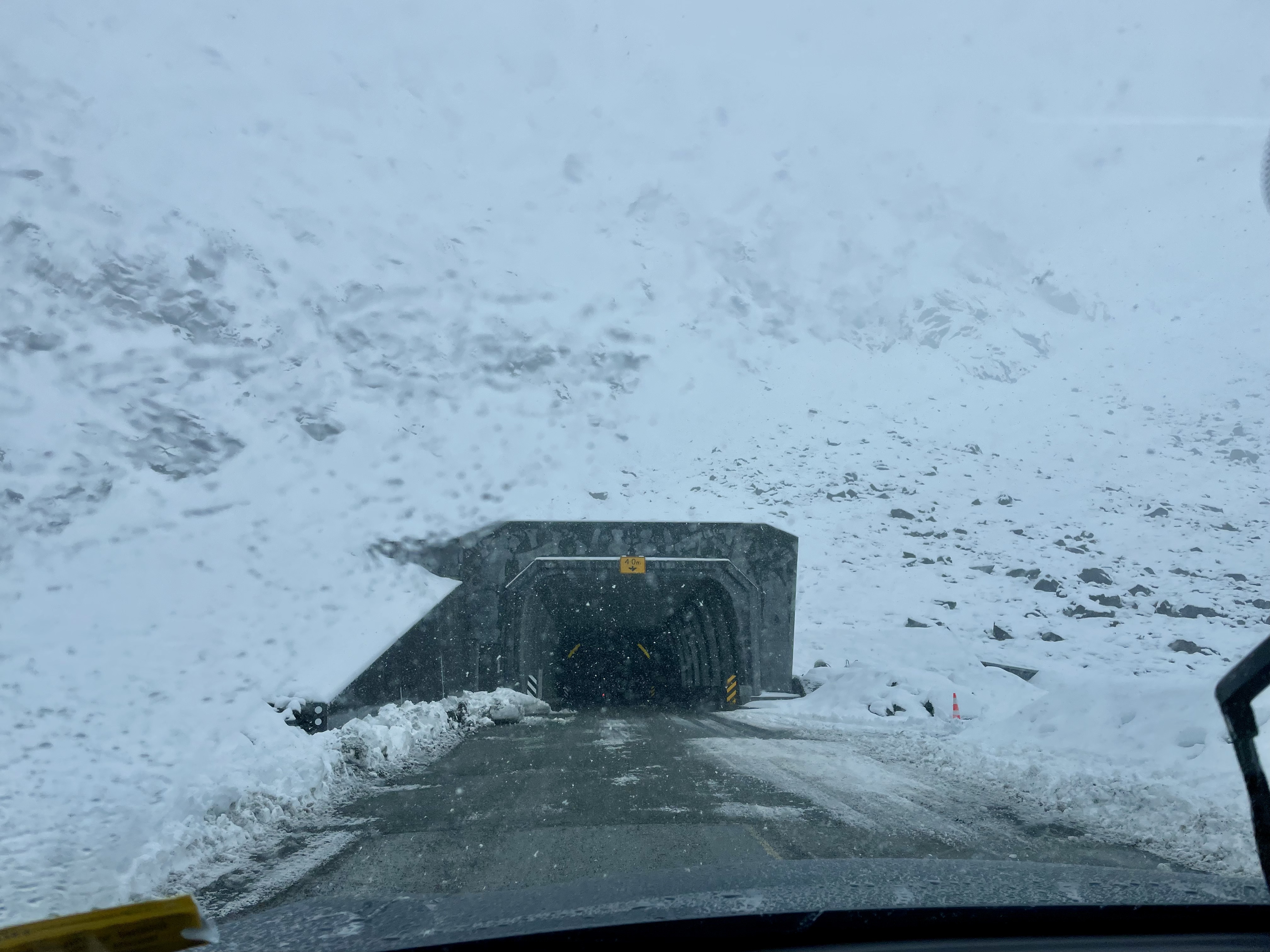
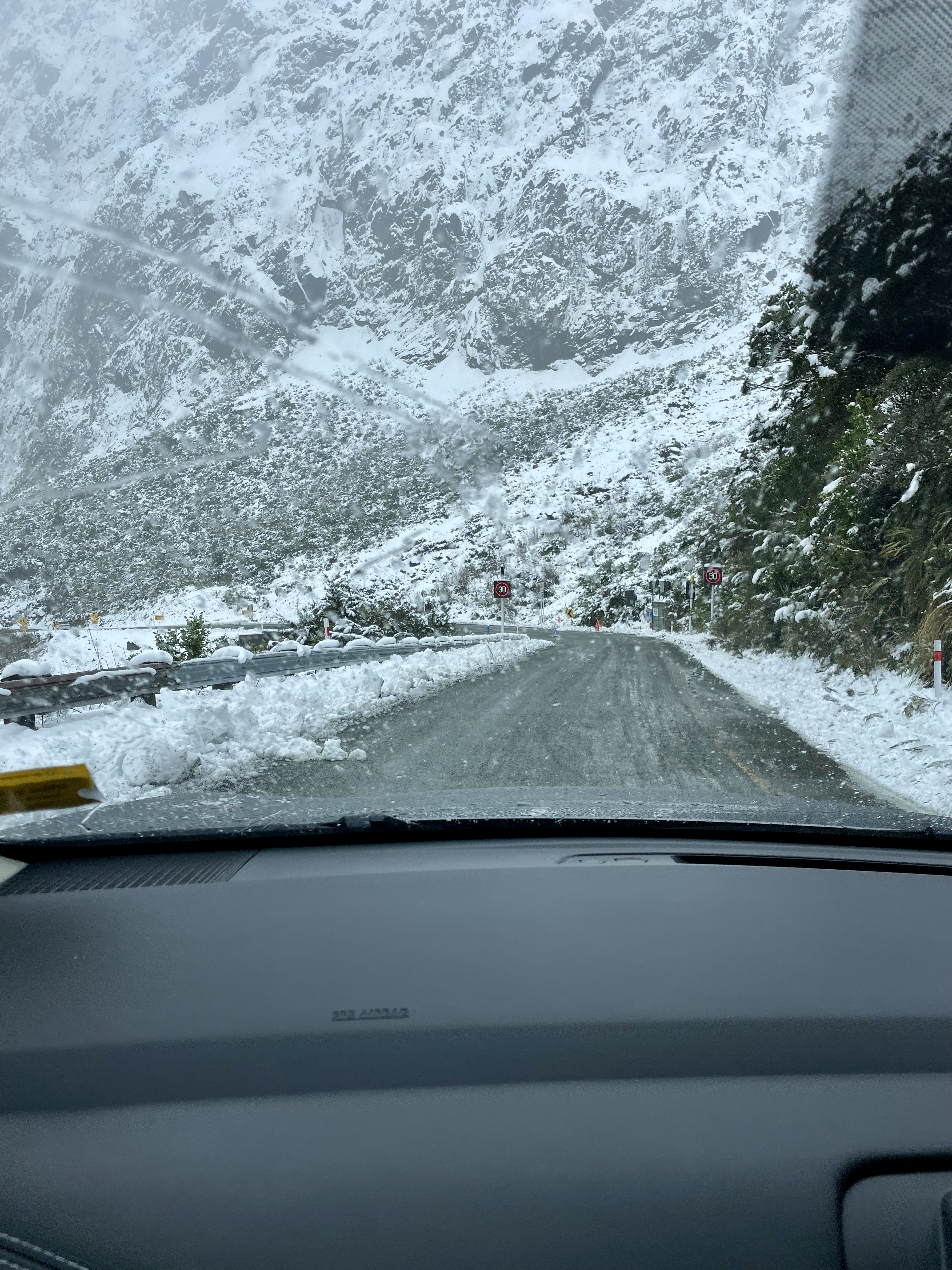
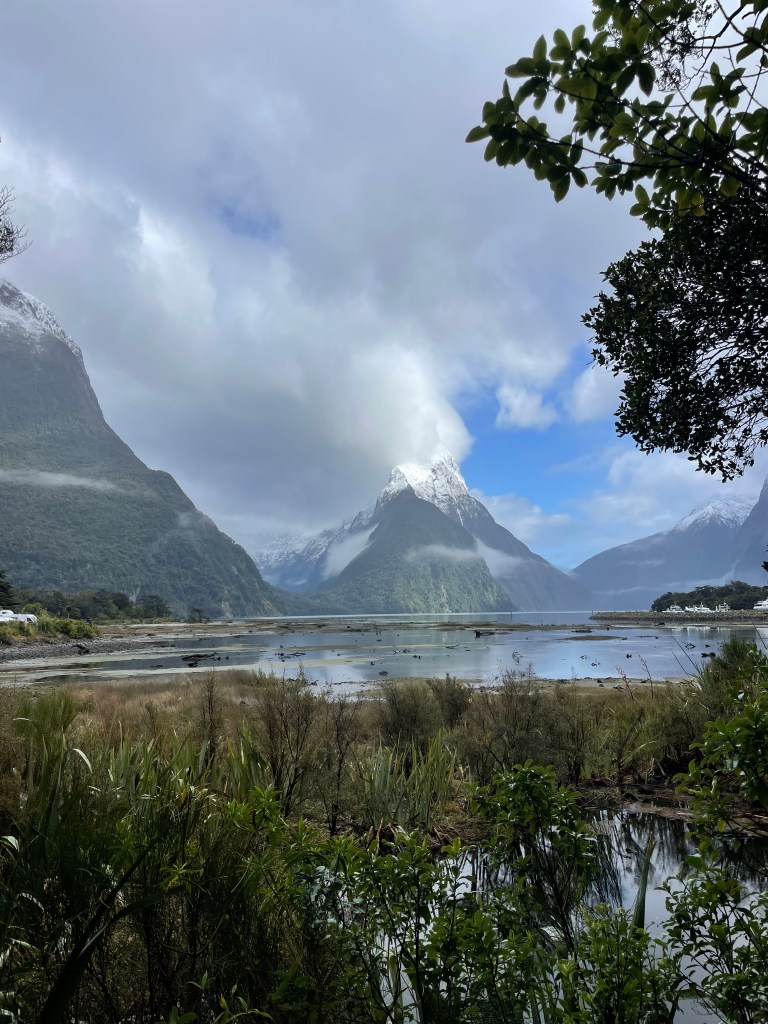

Milford Sound was beautiful; however, we found the trip to Doubtful Sound to be the most enjoyable due to the more comfortable boat, and the leisurely, peaceful views of the fiords from our booth on the boat: it was a wonderful 24-hour journey. Milford Sound, on the other hand was full of visitors, and our boat was packed with tourists, which impeded our view from our seats inside the boat.
The West Coast

Franz Josef Glacier
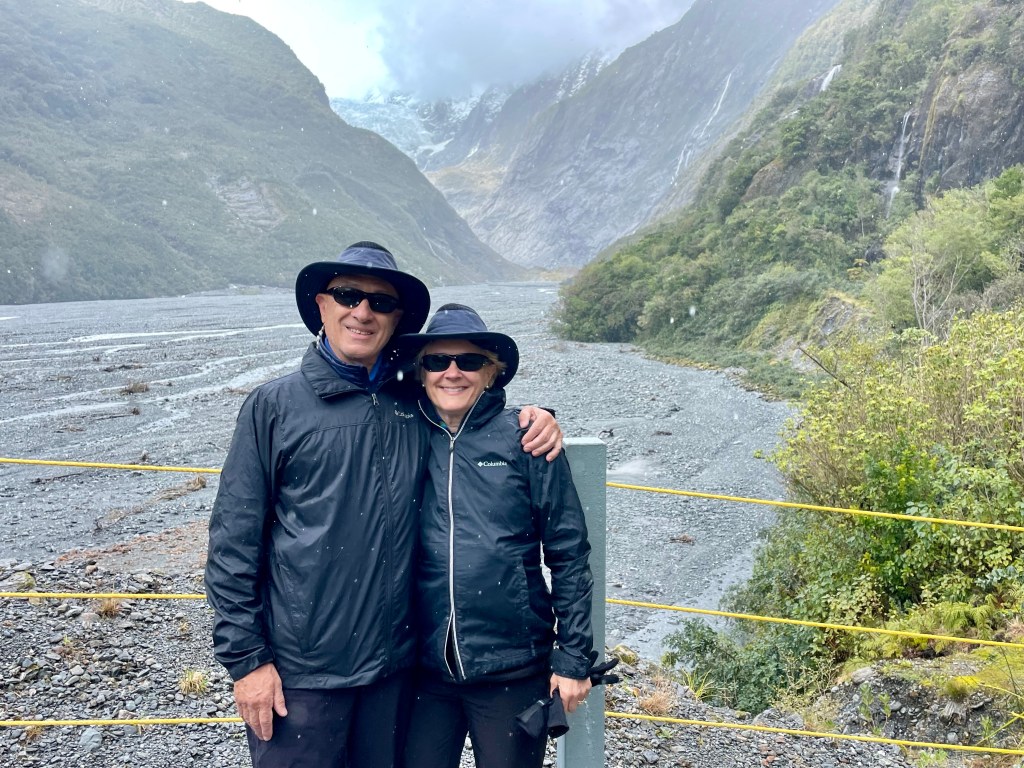
Franz Josef Glacier is a 12-kilometer long “temperate maritime” glacier that descends from the Southern Alps to the west coast.
Hokitika—Jade, Jade, and more Jade!
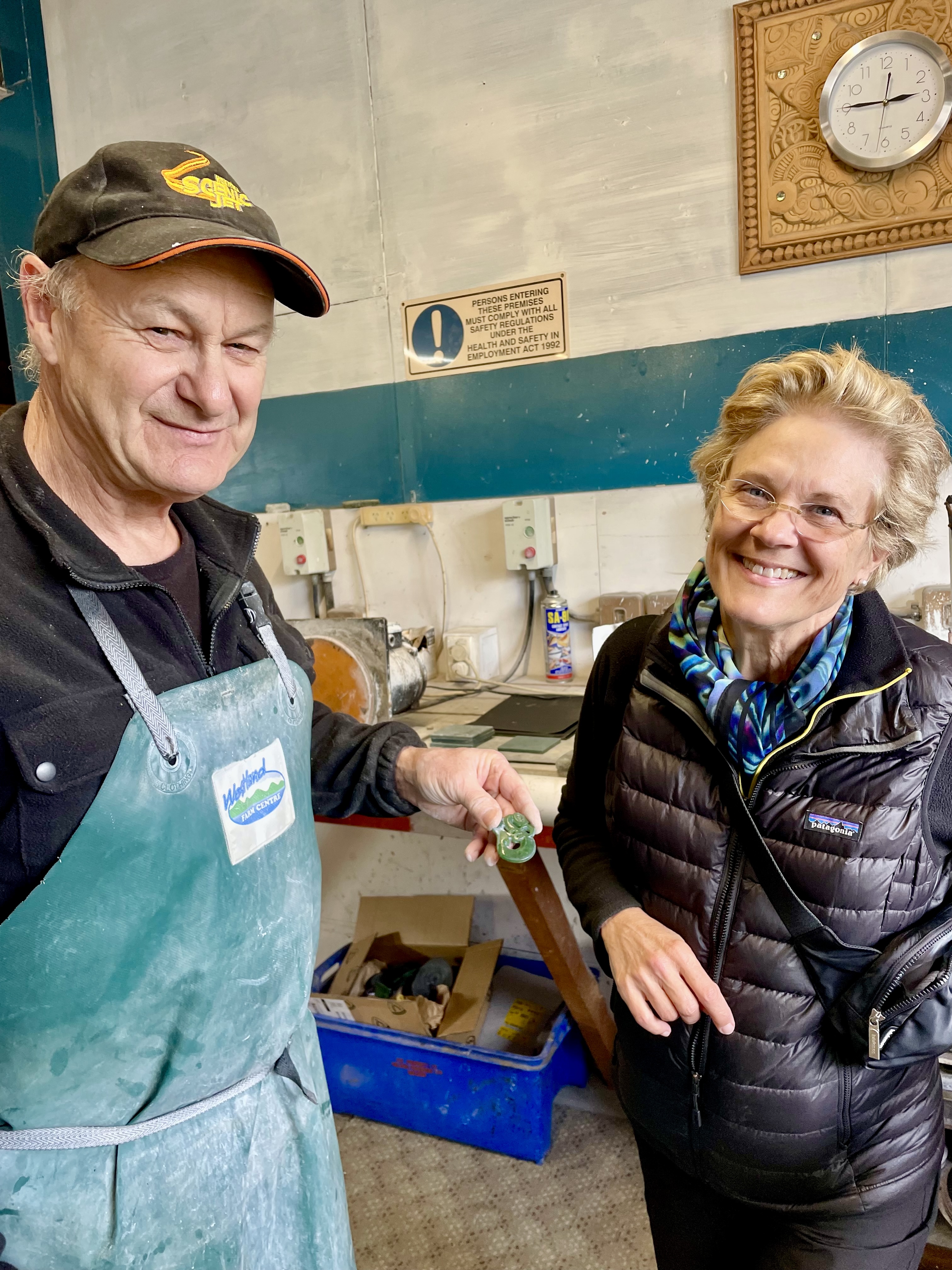
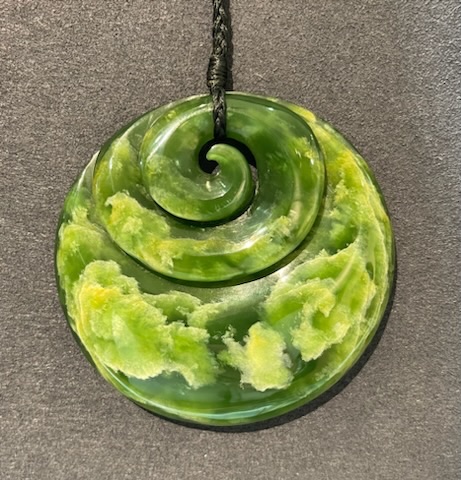
We stopped in Hokitika, a small town on the west coast famous for its pounamu, or greenstone. There were several galleries that caught our attention. The “Heritage Jade Gallery” was the most interesting because it had its workshop exposed where the owner was carving greenstone.


Greymouth
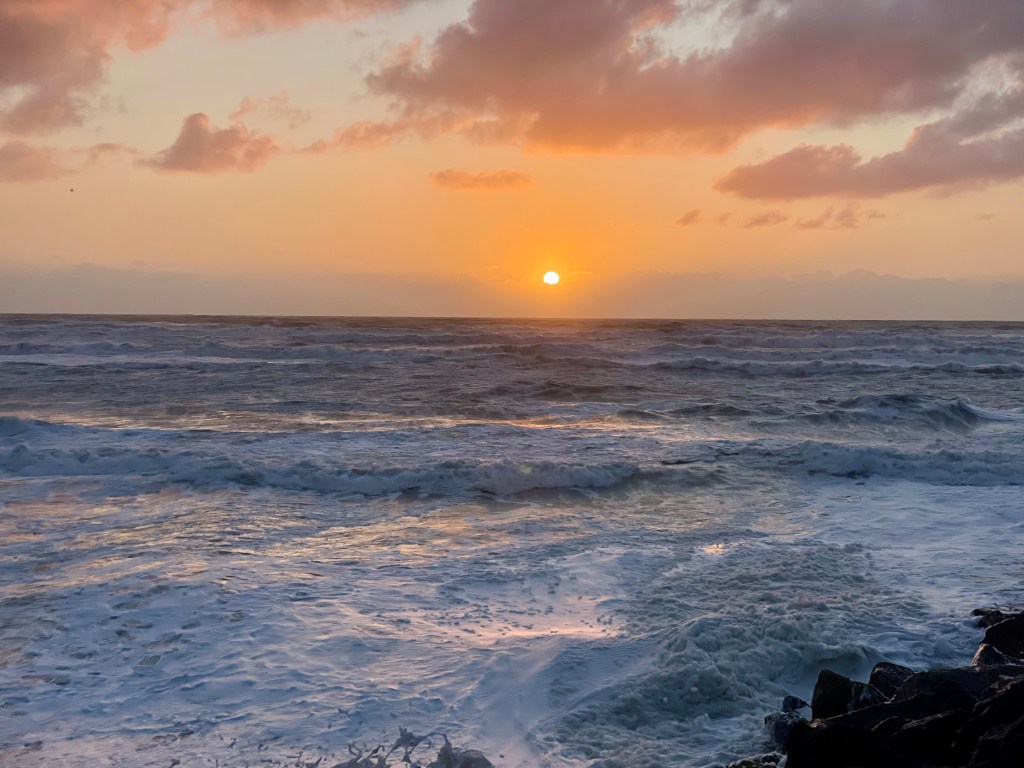
Greymouth is the largest town on the west coast (15,000 population), famous for its mining and greenstone, located at the mouth of the Grey River. We spent the evening walking along the river towards the sea and watching the currents as the tide changed.
Greymouth is also where the world-famous TranzAlpine train (4 ½ hour ride over Arthur’s Pass) from Christchurch arrives daily. This train ride is on the top of the list for our next trip when we return one day.

Pancake Rocks and Blowholes
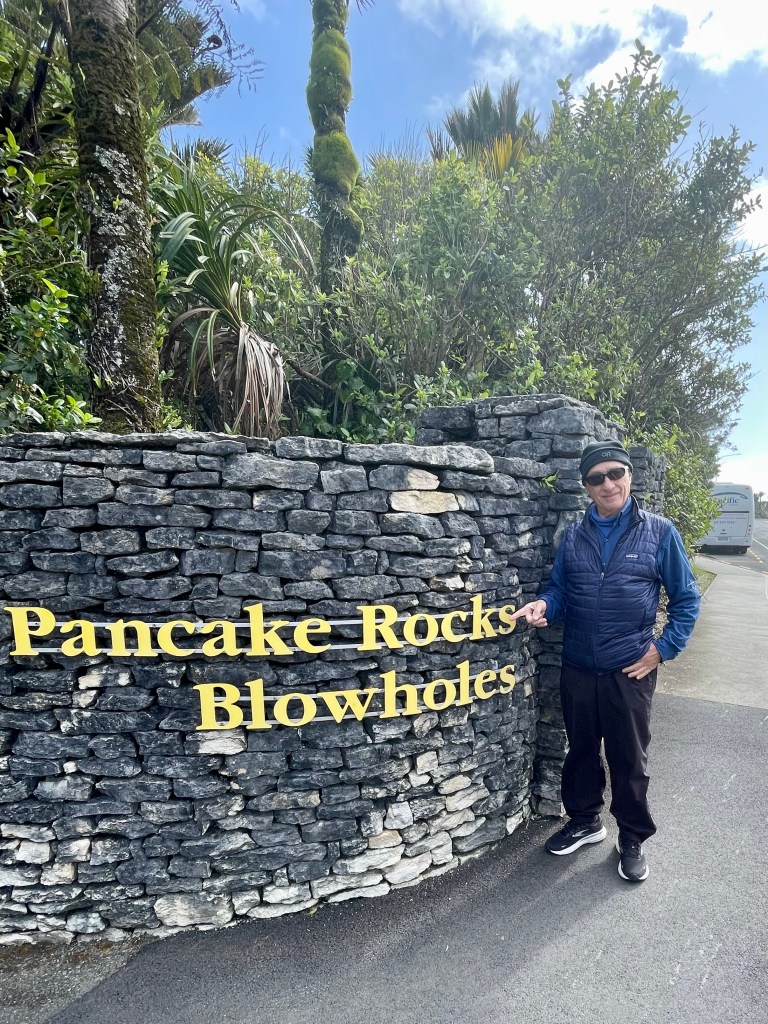
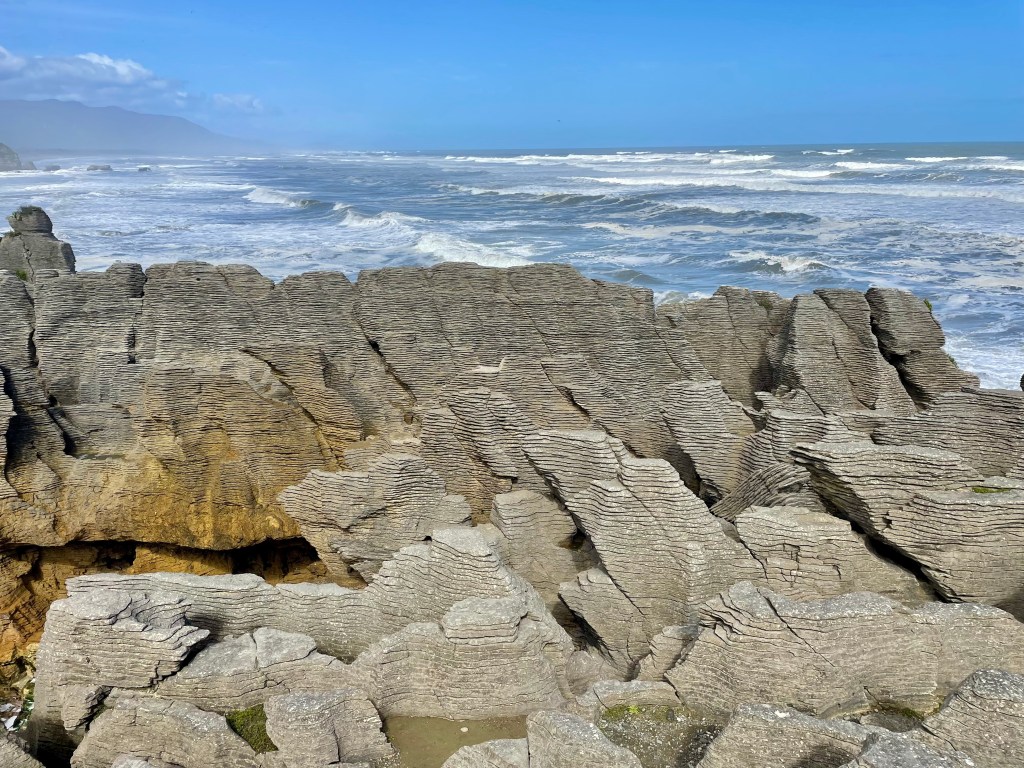
Pancake Rocks and Blowholes is located north of Greymouth on the west coast. There is a park with a walking path that winds around the whole area. These unique rock formations resemble stacks of millions of pancakes.


Abel Tasman National Park
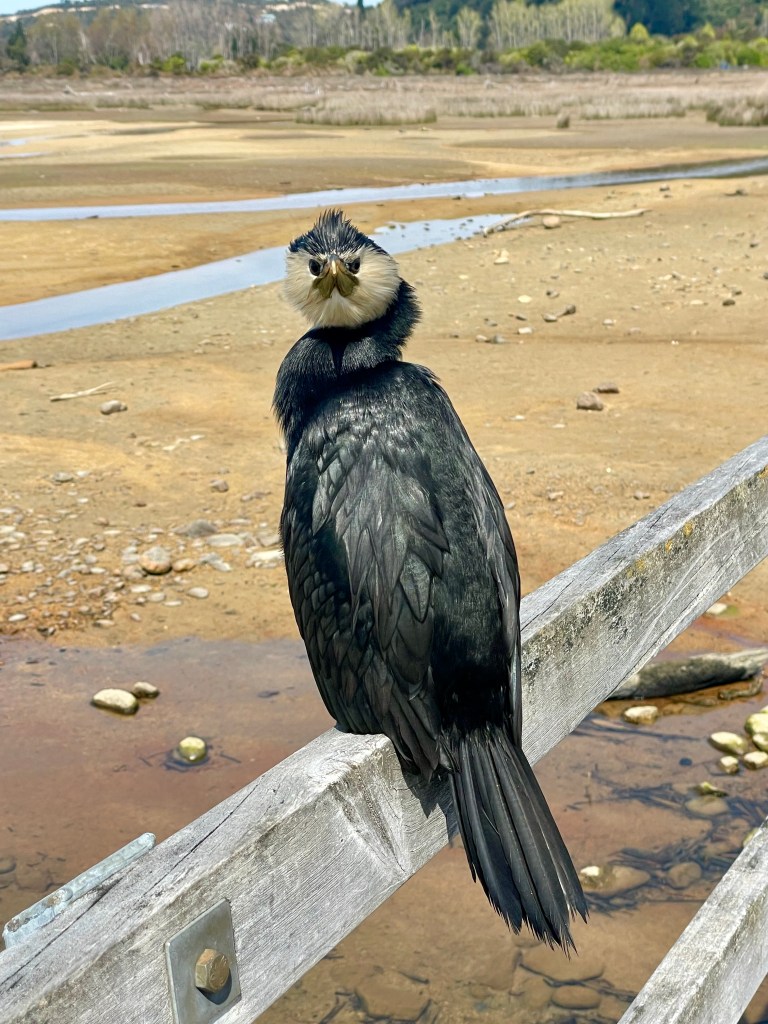
This is New Zealand’s smallest national park with walks along the north coast through golden beaches and granite cliffs. The park is full of beautiful birds of all kinds.
Nelson
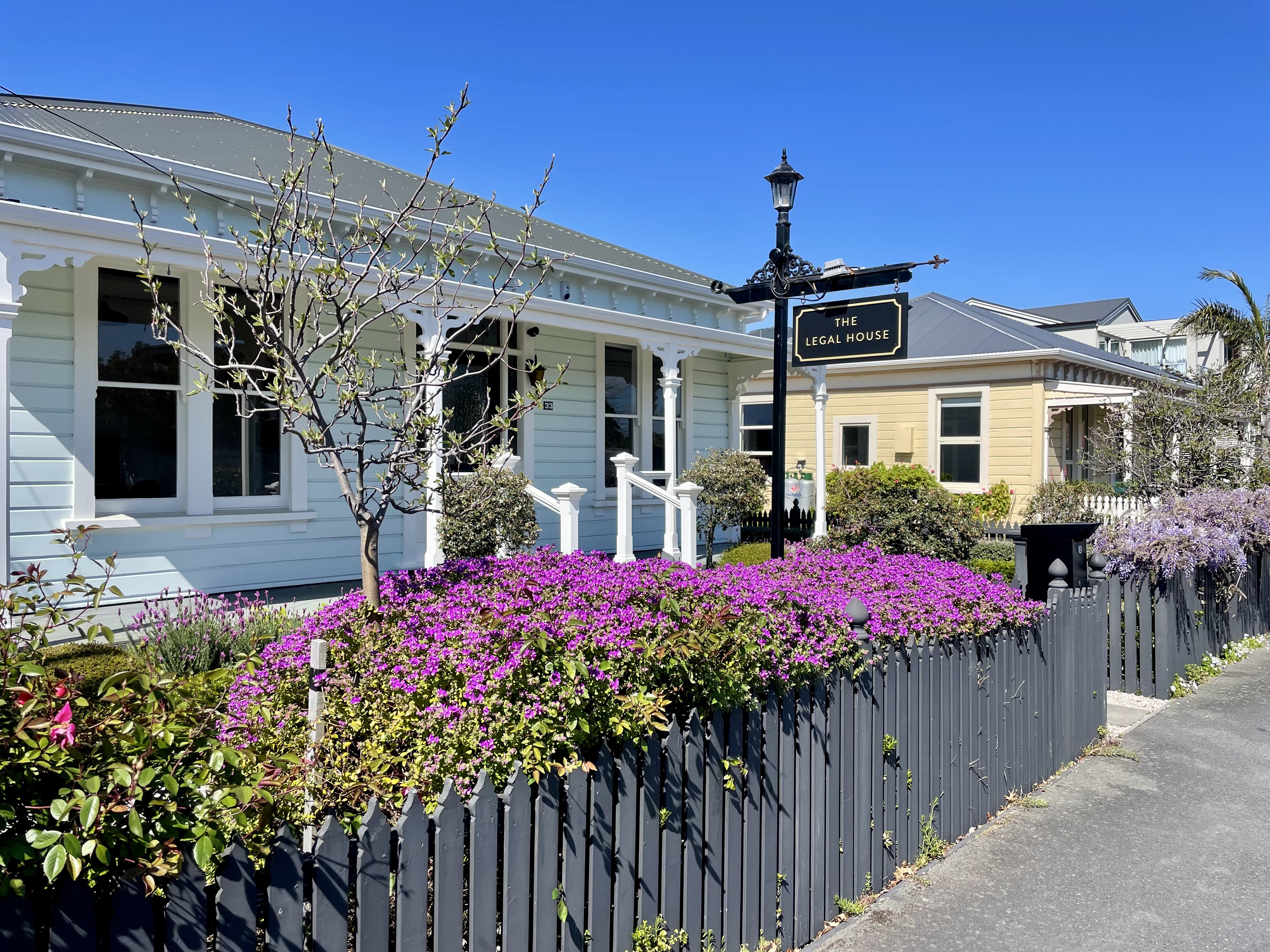
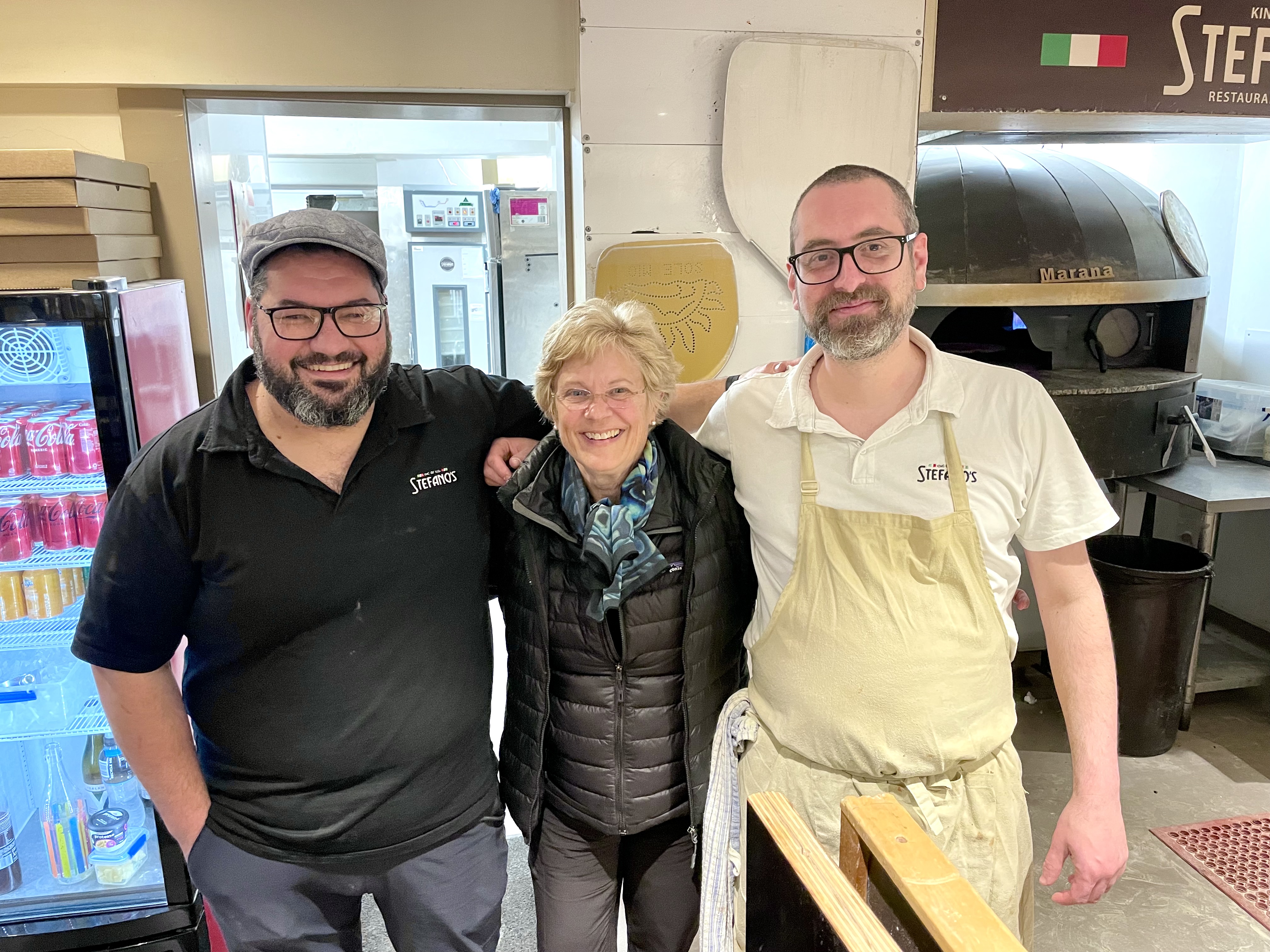
The city of Nelson faces Tasman Bay on the north coast. It has wonderful shops with local arts, and several art galleries. We even found a good Italian pizzeria.
Finalmente una pizza vera….we discovered a wonderful Italian pizzeria—Stefano’s—managed by Italians!

Hanmer Springs
Hanmer Springs is a resort town north of Christchurch. It’s known for its mineral waters, thermal pools, and spas. The surrounding mountains are home to wonderful trails and ski slopes. We relaxed in the hot springs, and had a couple of nice hikes in the surrounding forests.


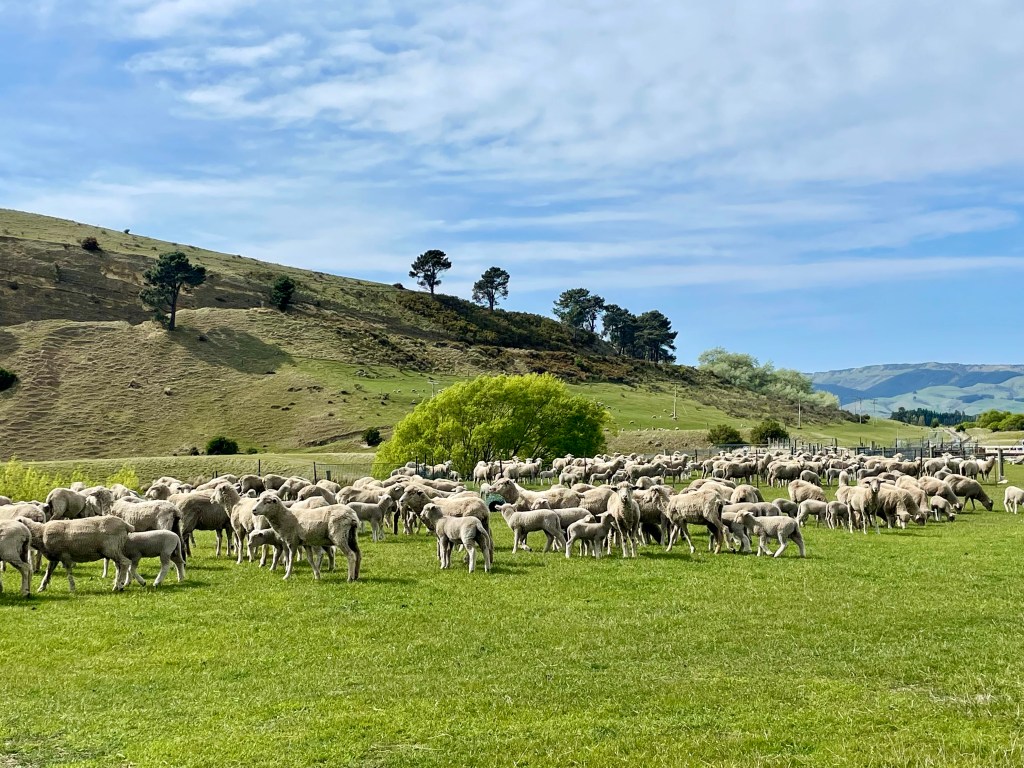
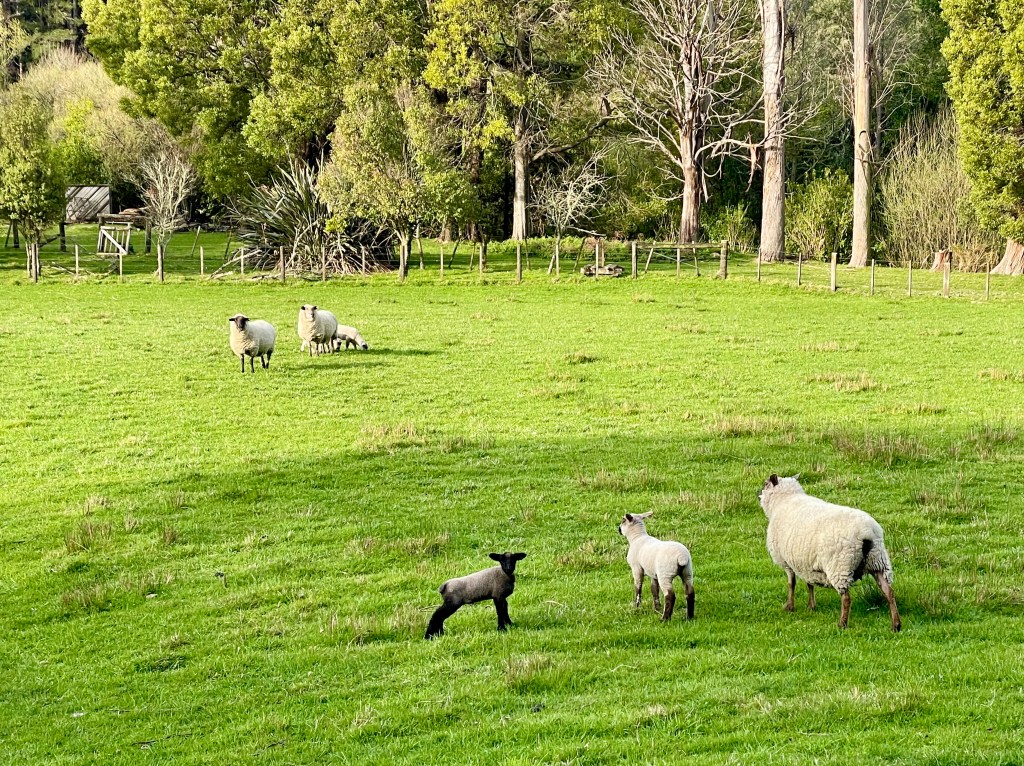
Pastures, Pastures, and more Pastures!
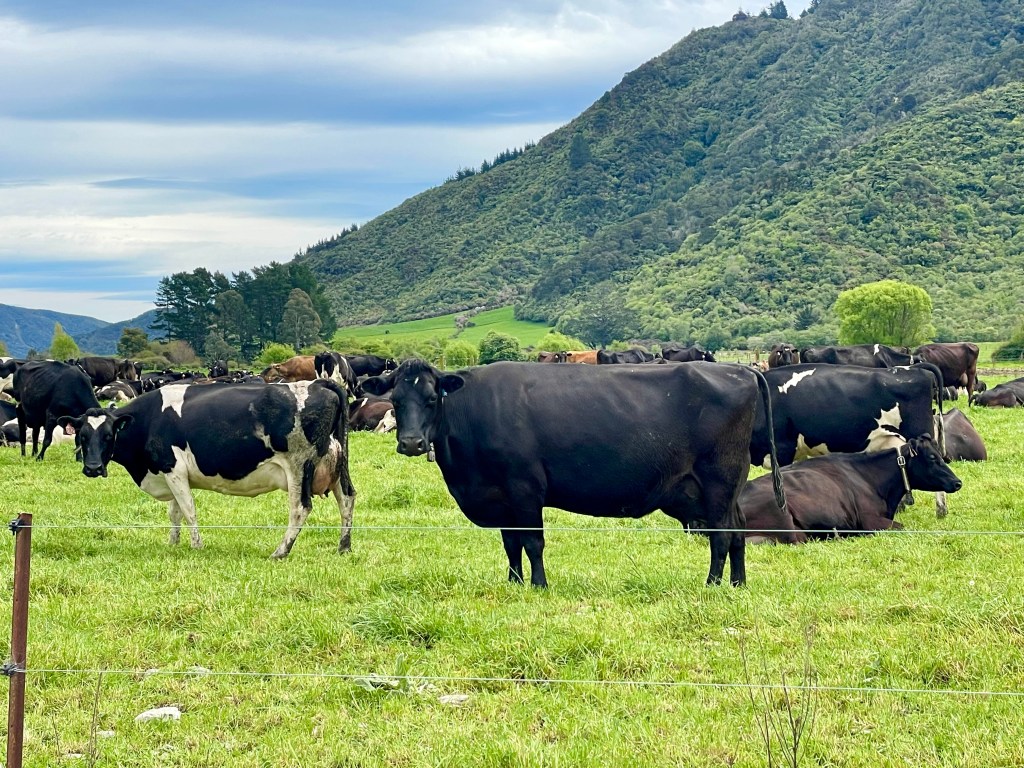
More than 40% of New Zealand is pasture and grasslands, grazed by cattle, sheep and deer. Dairy products, red meat production, and wool products, make pasture-based farming a defining feature of New Zealand’s economy. Most of the meat sold in the Pacific comes from New Zealand. Most of the lamb sold in the US comes from New Zealand!
Captivated by the scenery of the herds of cattle, sheep and deer, Giorgio took countless photos—some of which I will share with you.


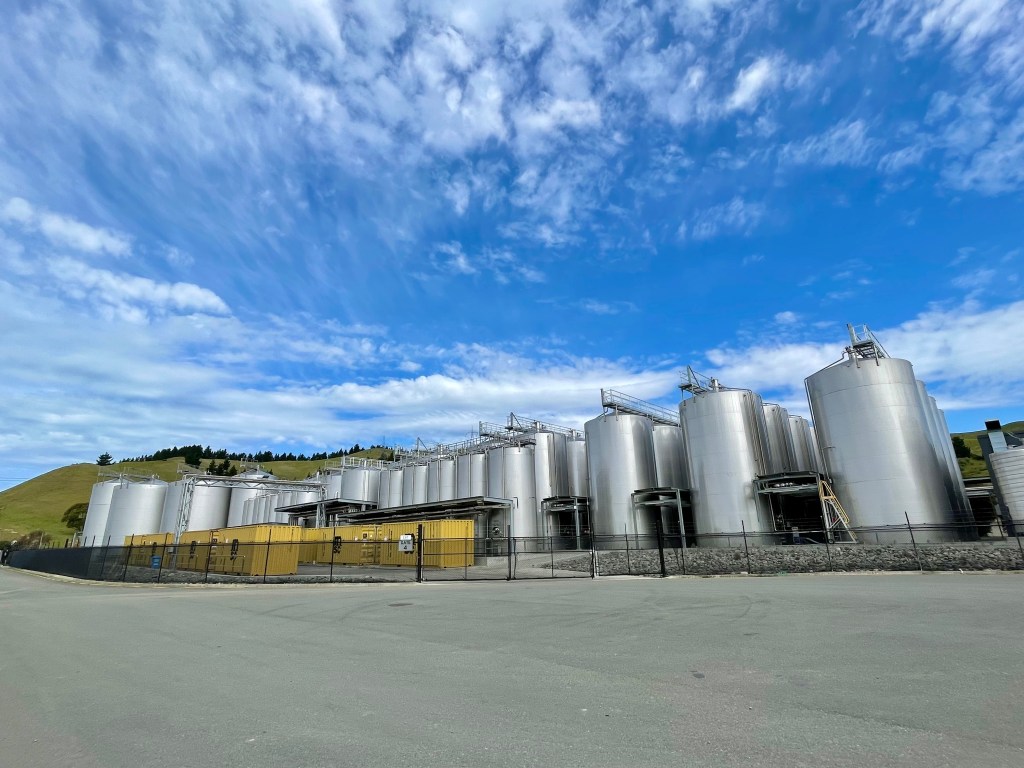
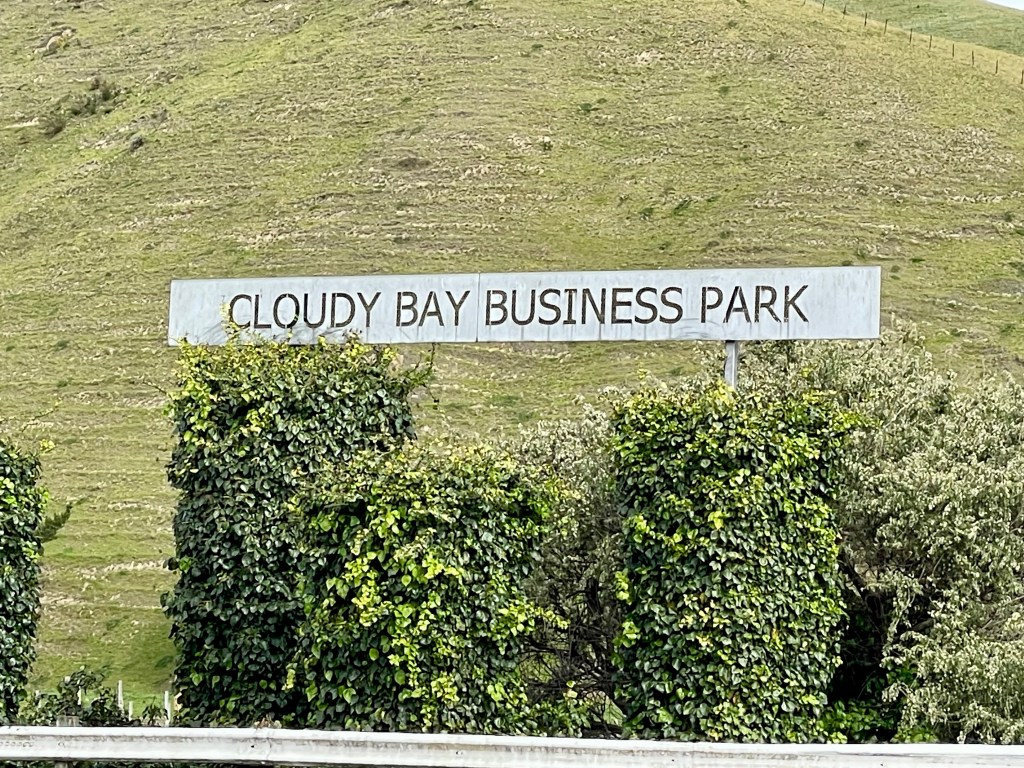
Modern Wineries and Fantastic Wines!

Lots of woods and lots of wood
Wood is one of major New Zealand’s exports.


In Summary: An Unforgettable Beauty
There are so many must-see South Island NZ destinations. From the golden sands of Abel Tasman National Park and the secluded beauty of Lake Tekapo to the towering presence of the Franz Josef glacier and Mount Cook.



 The Adventures of SV JAN