
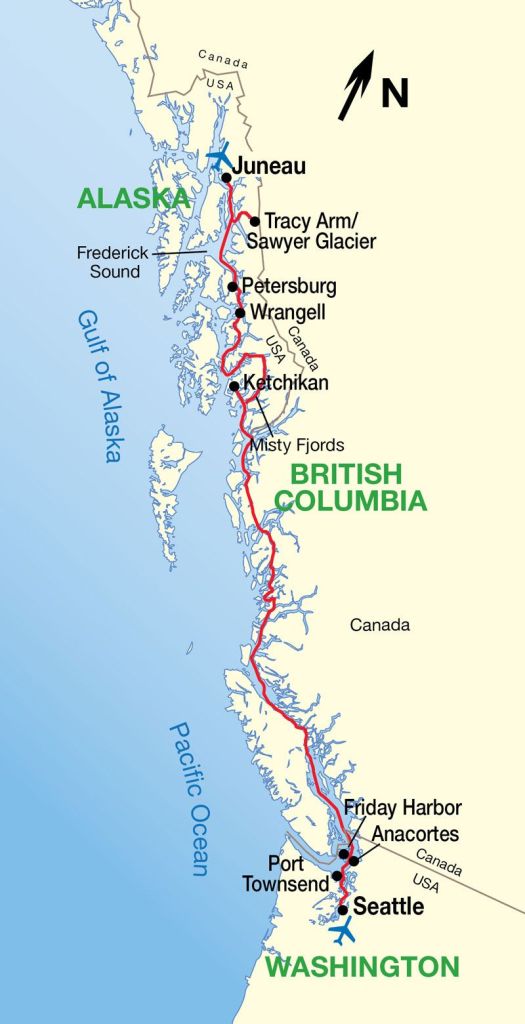
The Inside Passage is a network of waterways which weave through the islands along the Pacific Northwest coast of North America, from southeast Alaska, through western British Columbia, in Canada, to northwestern Washington State. Taking the Inside Passage allowed us to avoid bad weather in the open ocean and anchor every night in a safe cove.
Our first stop in Canada was Prince Rupert where we met with Canadian Customs agents who gave us permission to transit British Columbia. Due to Covid, we had to provide the agents with a list of all our possible anchorages and fuel stops. We were allowed to anchor every night and stop for fuel as necessary, respecting Canadian quarantine rules. Considering that the Canadian border was essentially closed due to Covid, we were grateful. Before leaving, Giorgio changed the oil in the Volvo engine in preparation for many hours of motoring.
Prince Rupert
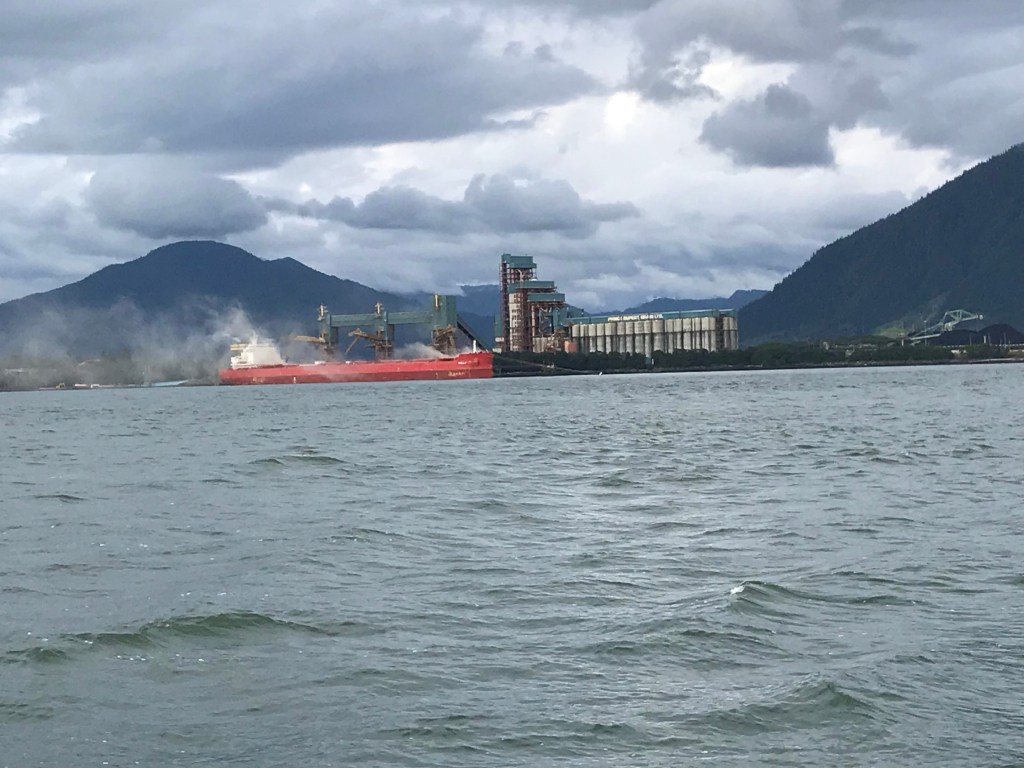
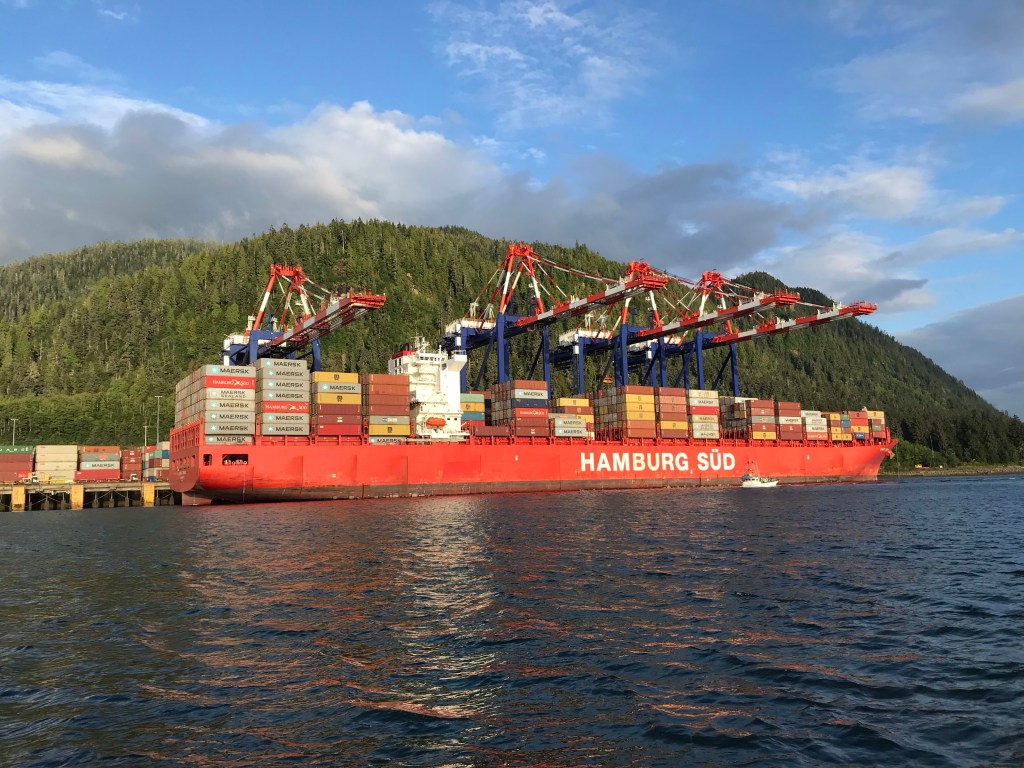
Prince Rupert is a very modern and busy port which is connected via rail to the east coast of Canada. There is lots of commercial shipping to and from China.



Inside Passage
We motored every day from about 9 in the morning to 8 in the evening. Unfortunately, we sailed very little because the wind was mostly from the bow and the channels were narrow.
Each anchorage was special: we had solitude, views of endless green forests, seabirds, seals, otters and the wonderful scent of the trees and the water.
Reflections in Captain’s Cove
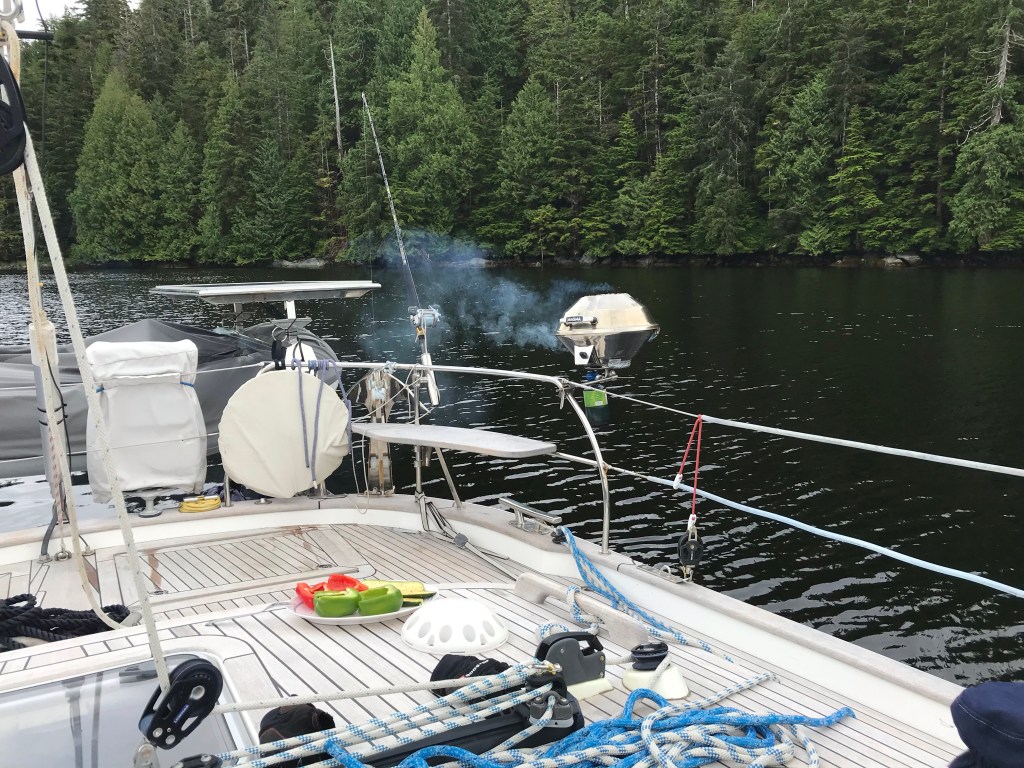
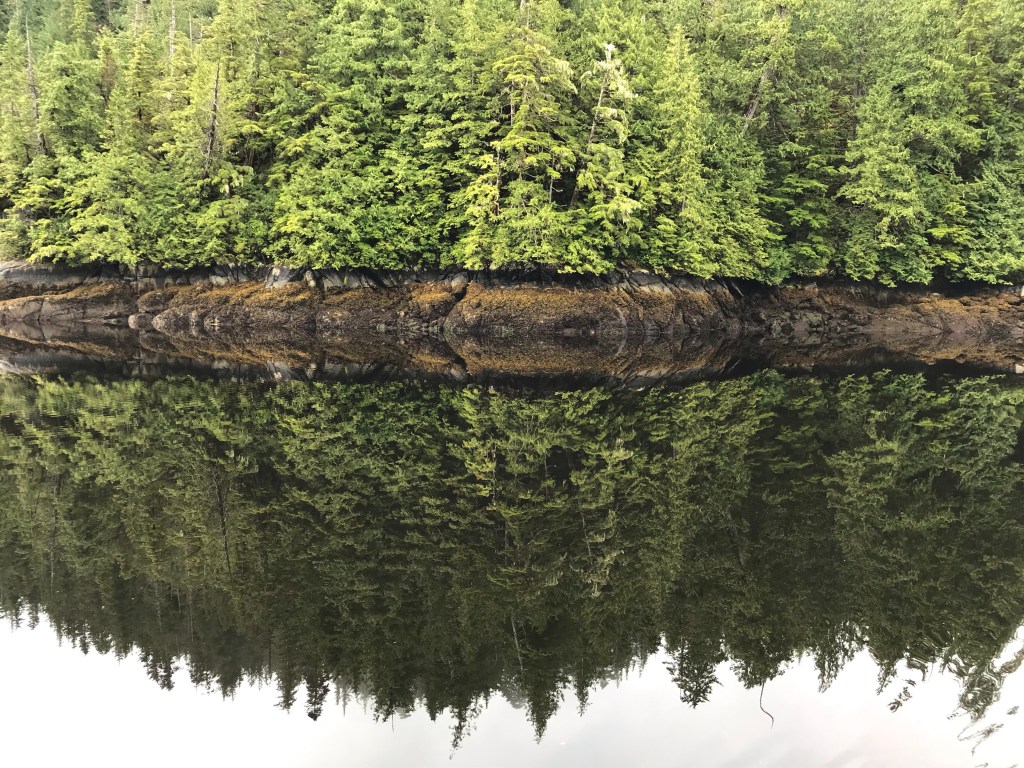
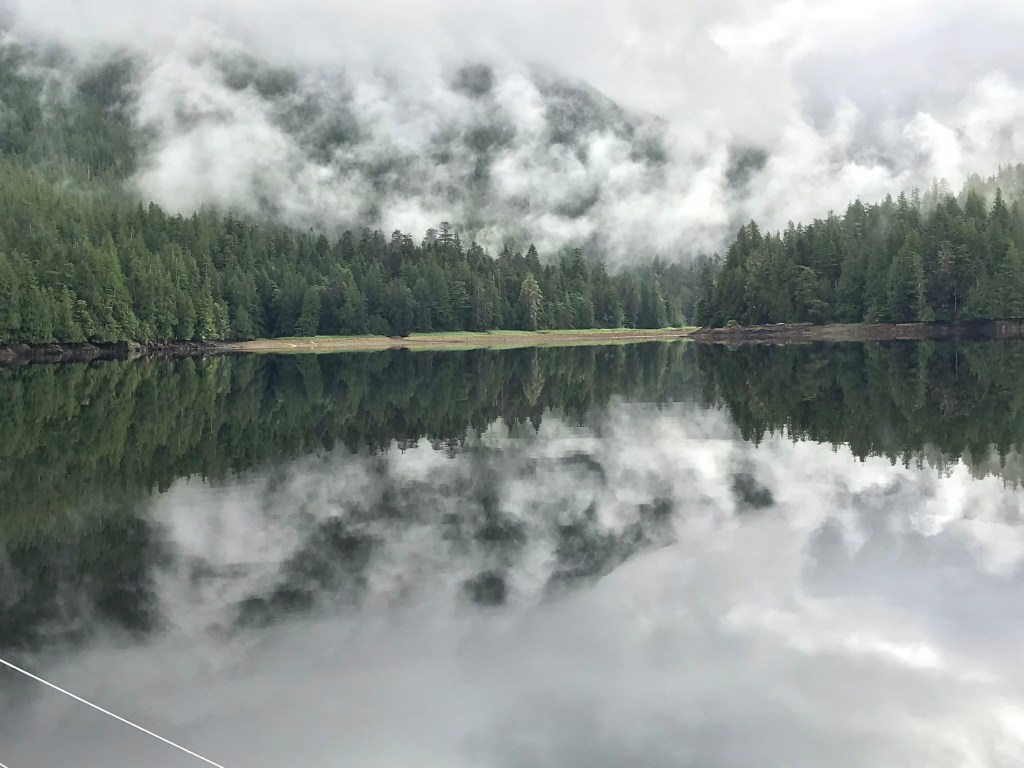
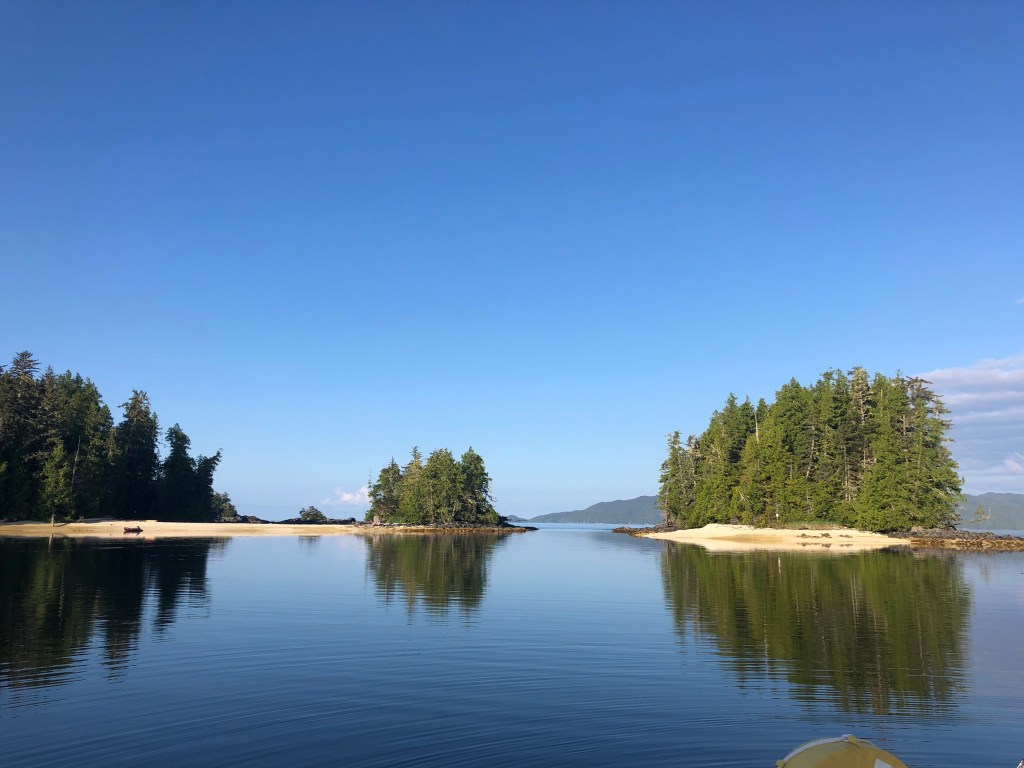
We had an surreal anchorage in Captain’s Cove which is tucked in between mountains with three small islands. In the morning we admired incredible reflections in the most still water! It seemed as if we were looking through a kaleidoscope.



Sailing South in Queen Charlotte Sound toward Weinberg Inlet Anchorage

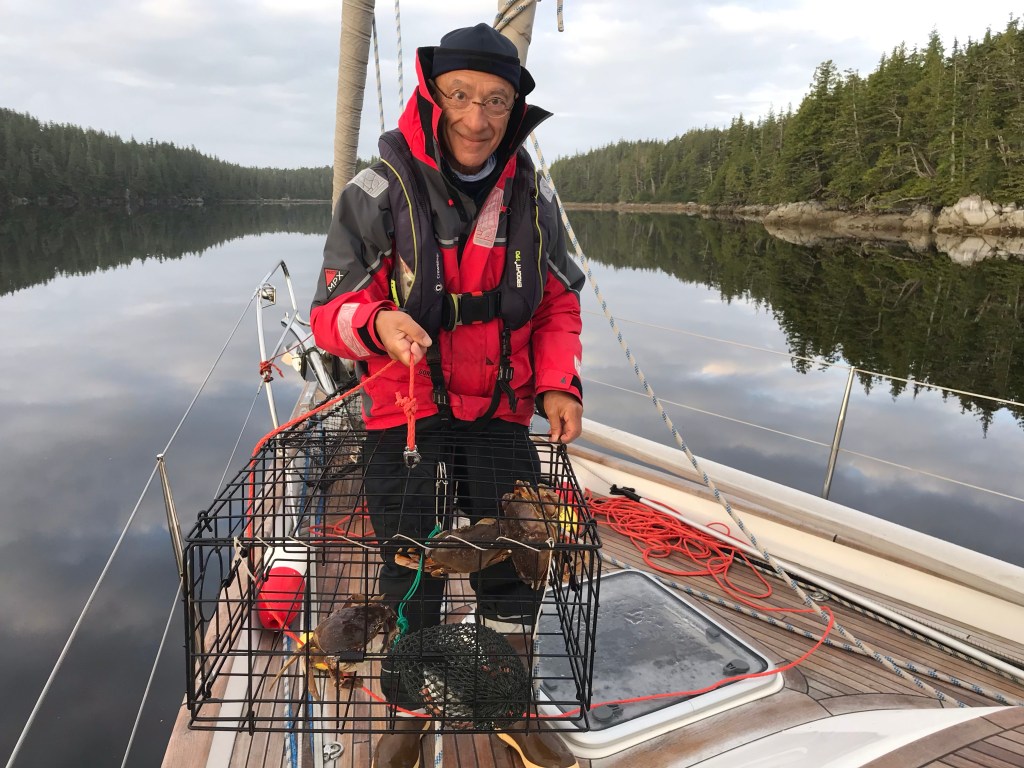
We finally sailed some to the anchorage. The next morning, Giorgio discovered more crabs in the pot while we admired more water reflections. We ended up staying two nights because of 30 knot winds in the channel. So glad we stayed!
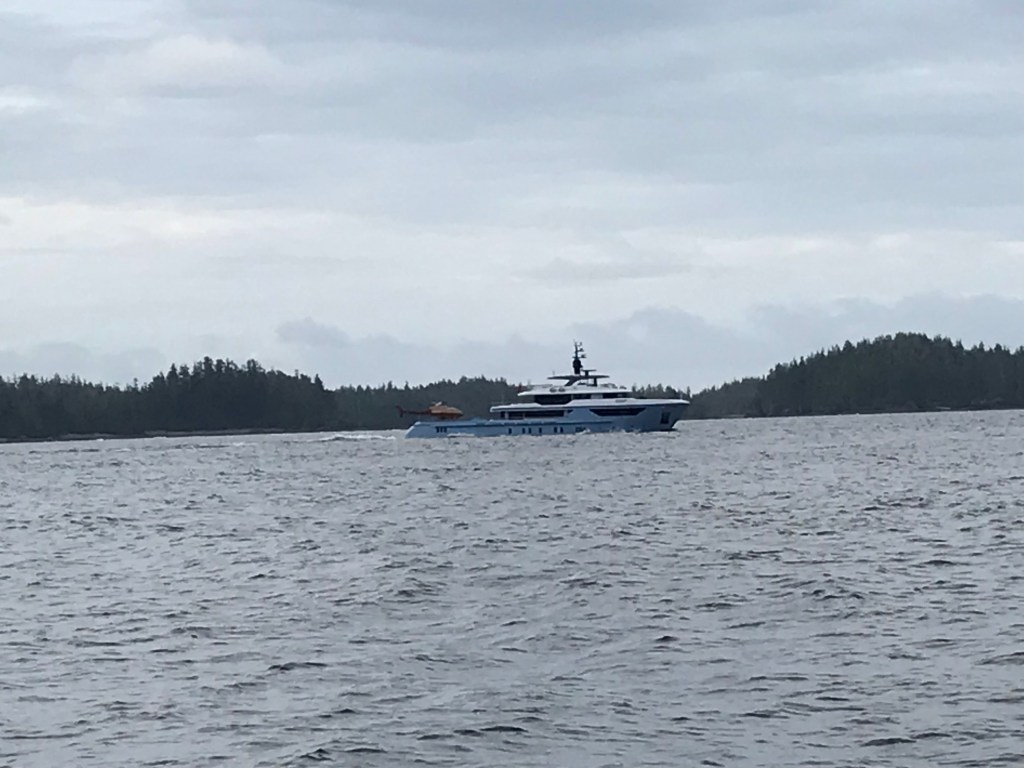
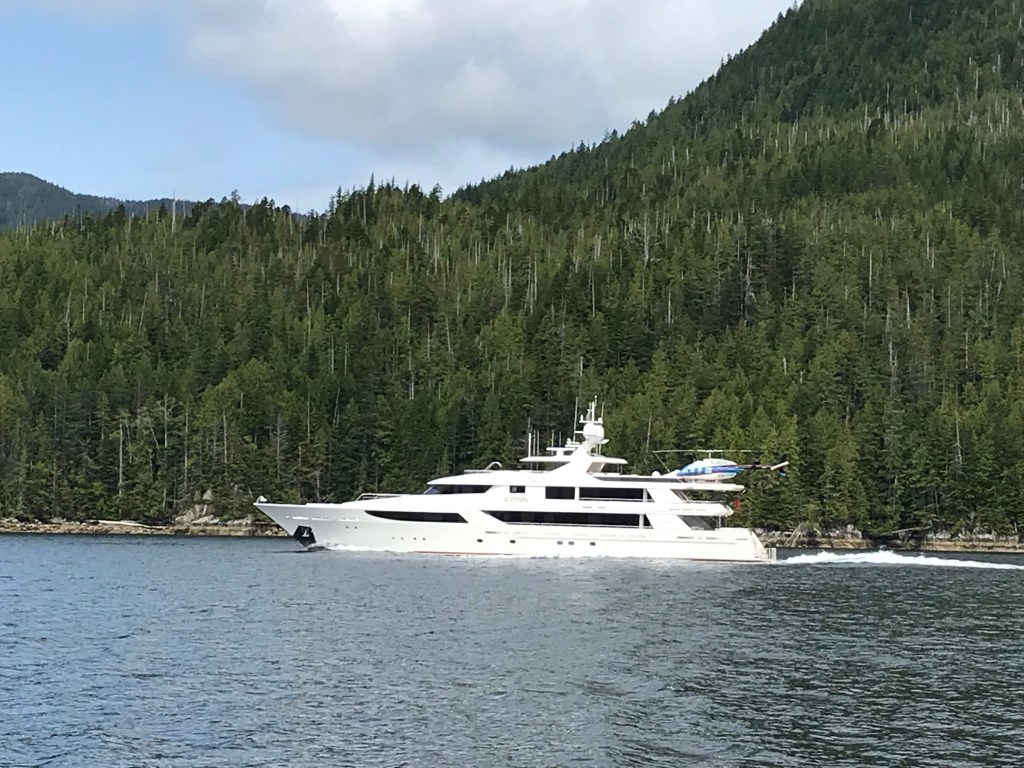
We felt quite bad when we realized that we were the only boat without a helicopter on the stern. Maybe we should buy at least a drone!


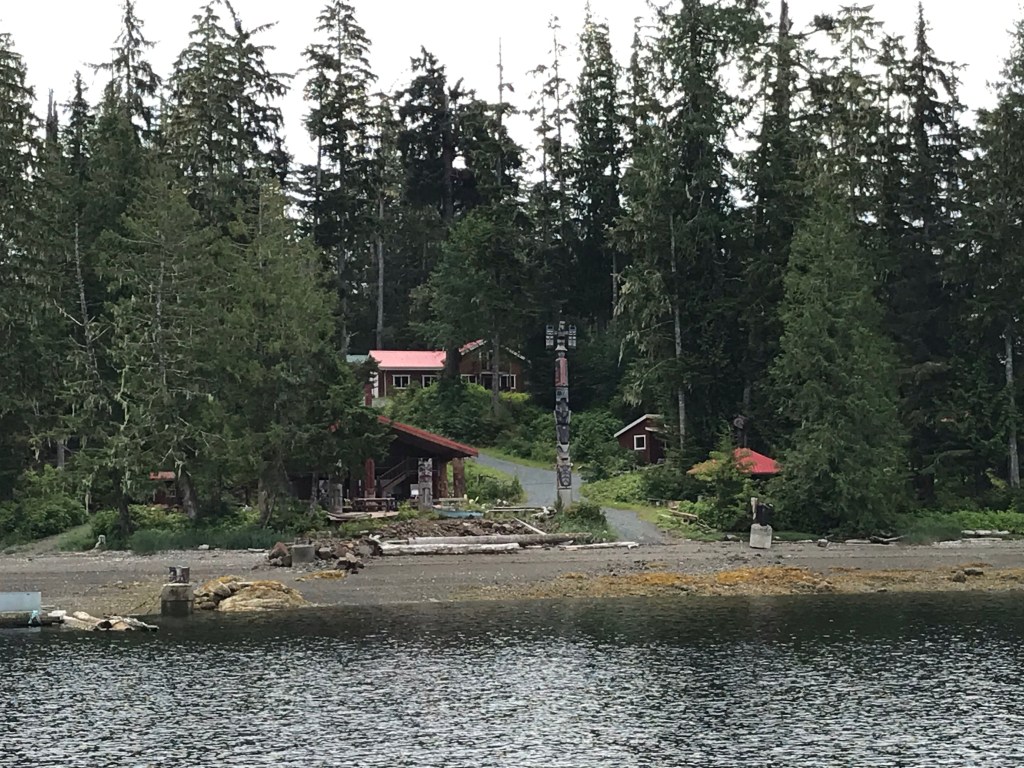

Fury Cove had a very difficult entrance near a shoal with lots of currents. We entered this lovely little cove which was occupied by other boats, although there was plenty of room for all. Campers were enjoying a campfire on the beach.
We crossed Queen Charlotte Sound to Port McNeil on the north of Vancouver Island. Finally, after days of isolation from the news we found some good cell service. We refueled then anchored in front of the port for the night.
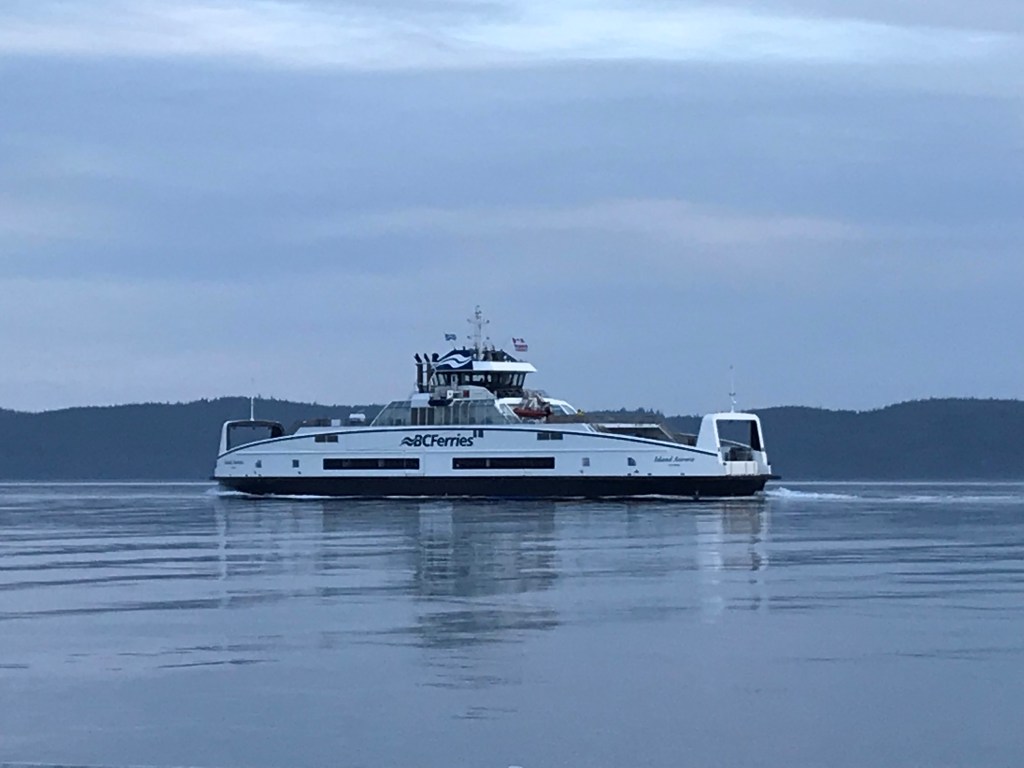
Johnstone Strait and Discovery Passage are waterways with many narrow areas and strong currents, requiring lots of attention and navigational awareness.
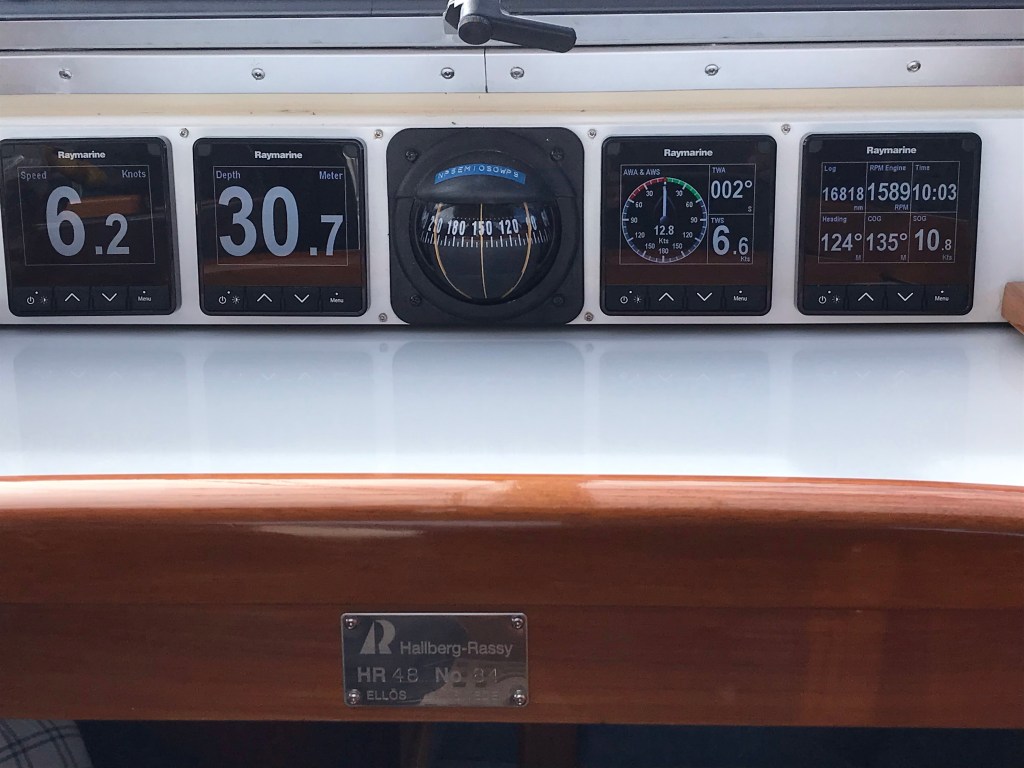


Approaching the city of Vancouver, British Columbia
As we continued south toward the Campbell River, we entered the Strait of Georgia. We encountered lots of traffic, both fishing and commercial. There were very scenic views of Mt. Baker and the skyline of the city of Vancouver. We anchored in a nice residential area called Nuttal Bay. We were finally enjoying some good weather with blue skies and sunshine. Unfortunately, not much wind for our sails, though.

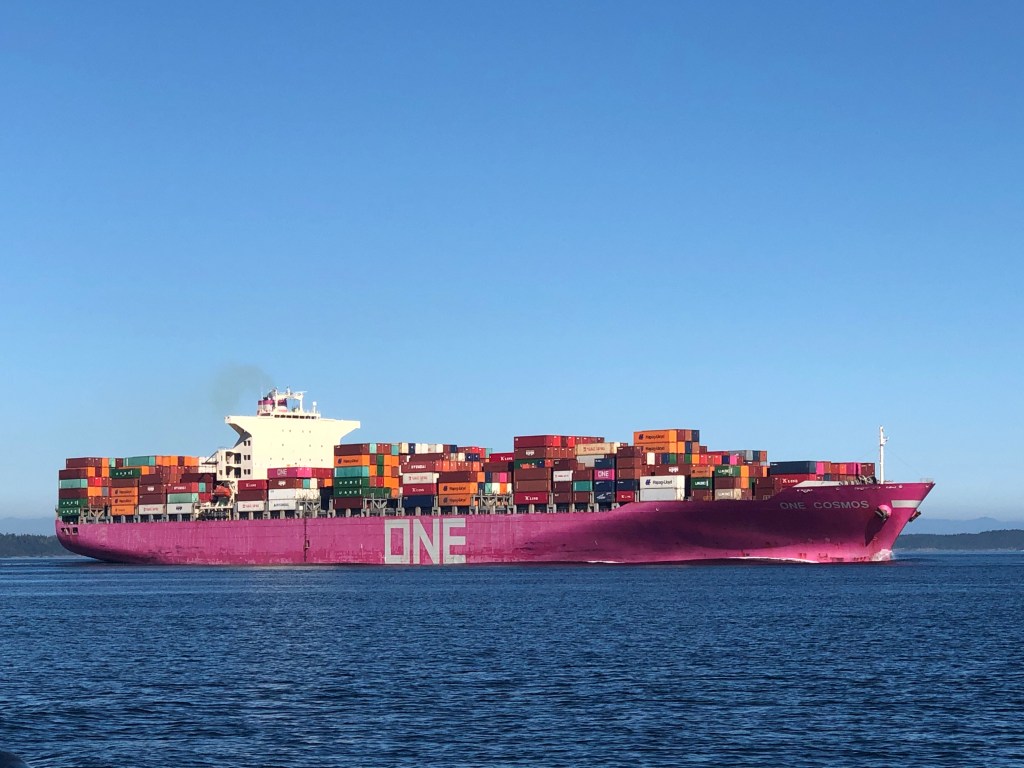
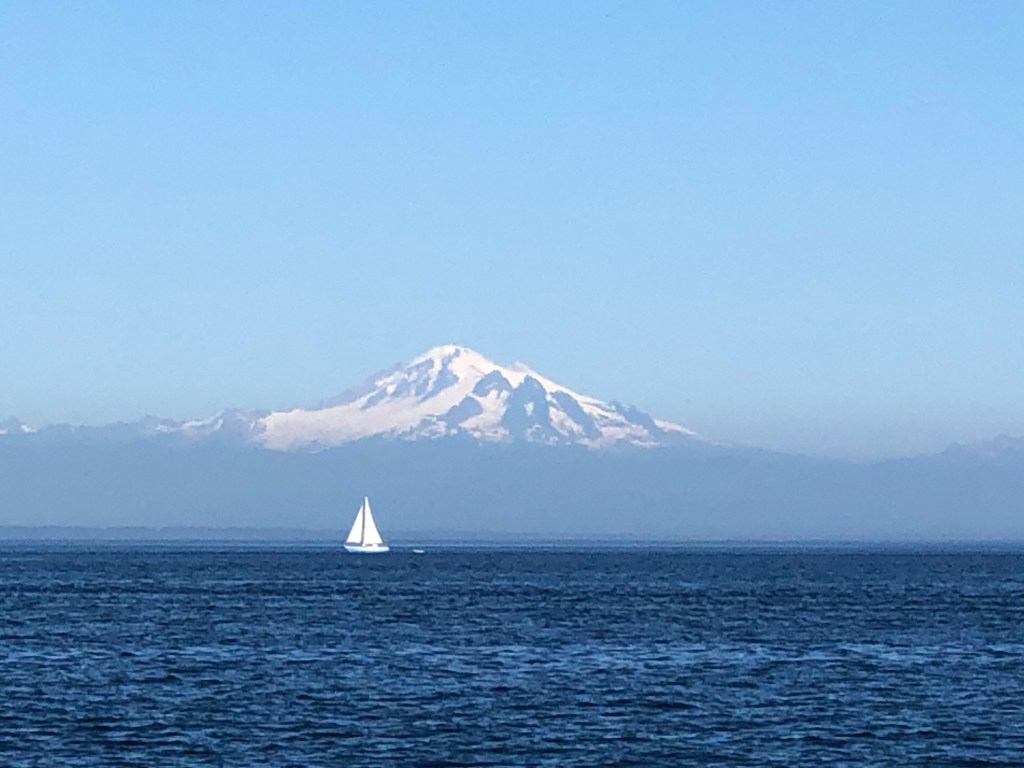
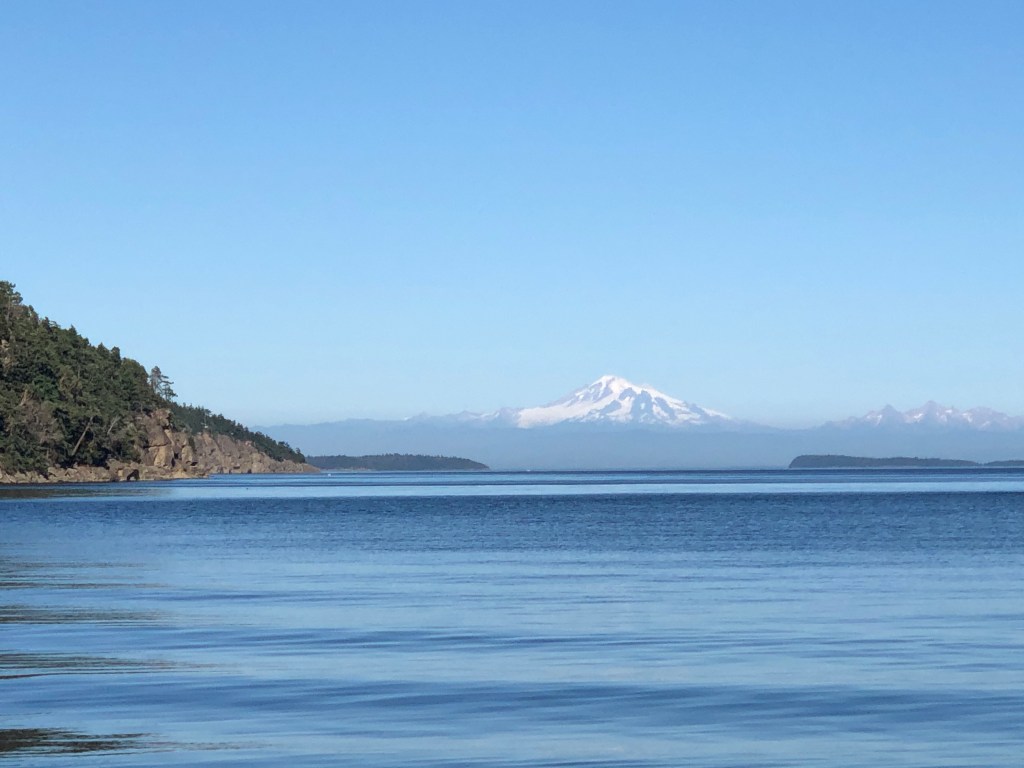
This is a photo from our last night in Canada, near the US/Canada border. We anchored in Narvaez Bay on the south side of Saturna Island with another view of Mt. Baker. We had completed the Inside Passage in 10 days and we will be back again for sure!

 The Adventures of SV JAN
I’ll buy u a helicopter to fit your boat..It just might be a wee bit smaller than one in pic. Gorgeous pics! Any pics of Robbie and Marco?
LikeLiked by 1 person
Haha! So generous of you–I will let Giorgio know about the helicopter. Yes Robbie and Marco are in the next chapter!
LikeLike
Oh what beautiful pictures! I’m glad you are enjoying and being safe. 🙂
Rose
On Fri, Sep 4, 2020 at 8:01 PM The Adventures of SV JAN wrote:
> The Adventures of SV JAN posted: ” The Inside Passage is a network of > waterways which weave through the islands along the Pacific Northwest coast > of North America, from southeast Alaska, through western British Columbia, > in Canada, to northwestern Washington State. Taking the Inside P” >
LikeLiked by 1 person
Thank you Rose!
LikeLiked by 1 person