Leaving Puget Sound was bittersweet! We will miss the comforts of our “home away from home” for the past two years. The beauty of the San Juan Islands and British Columbia will be forever in our hearts. One day we will probably return there.
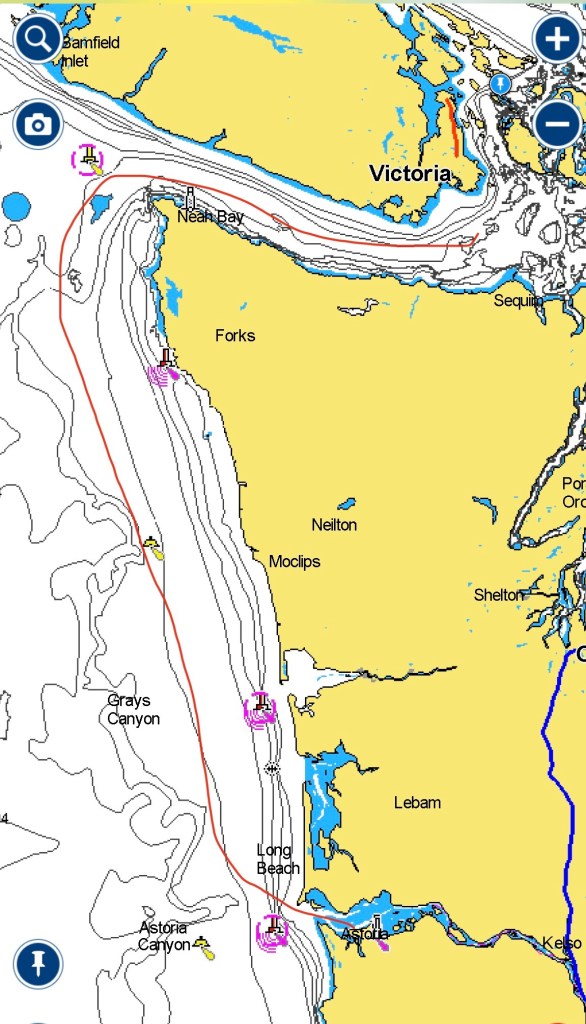
Our plans were to be in San Diego by the middle of October to join the Baha Haha Rally to Mexico on November 1st. The best time of the year to go south along the west coast is around August, so by the end of July, we entered the Strait of Juan de Fuca and headed west toward the exit into the Pacific Ocean. After leaving Puget Sound, we spent one night in Callam Bay along the Strait of Juan de Fuca, and another night we anchored in Neah Bay, at the exit of the Strait.
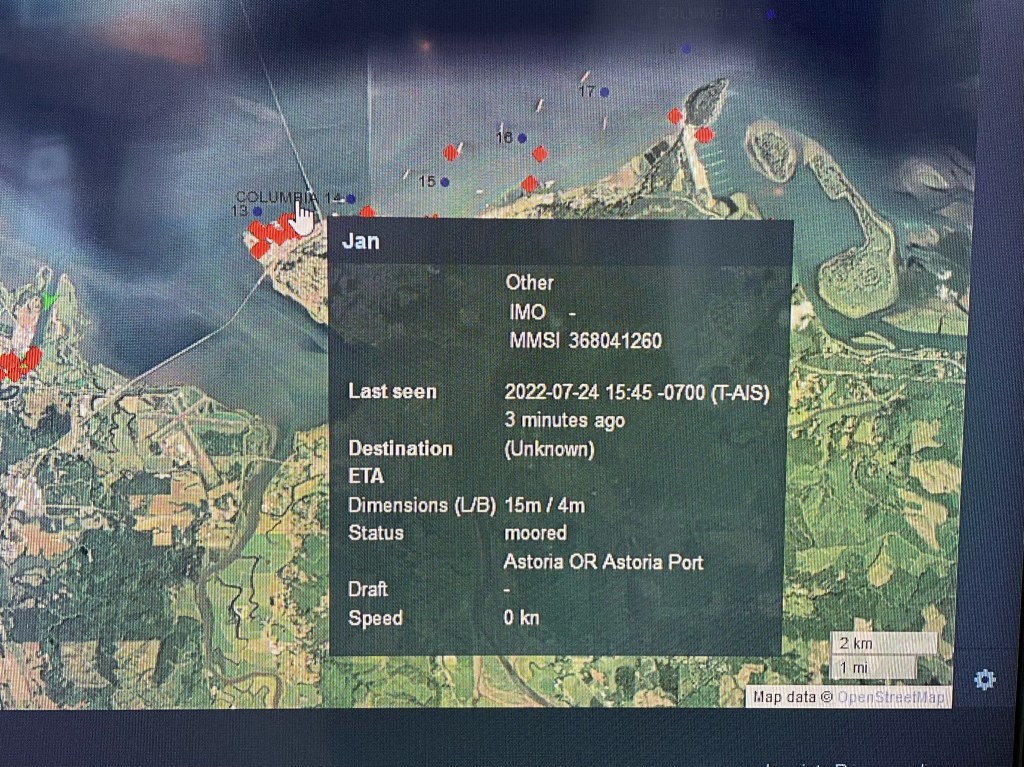
Going south, we decided to stop first in Astoria, Oregon, where the Columbia River enters the Pacific, attracted by the nefarious reputation of its sand bar. It was a twenty-four hour passage. The following morning, we motored into the westerly wind until we were far enough off the coast to sail to the southwest. We determined that we would need to go at least 25-30 miles off-shore in order to avoid the numerous fishing boats, buoys and nets. However, even though we were 30 miles offshore, that first night we had very little wind and had to motor as we dodged the numerous fishing boats and buoys. It was like a mine field!
I had some anxiety about crossing the bar at the mouth of the Columbia River in order to reach Astoria. This bar of about 3 miles in width and 6 miles long is known as the “graveyard of the Pacific” because of the thousands of shipwrecks scattered over the bar and the shifting shoals at the mouth of this mighty river, which is one of the largest of the world! It is trafficked by all types of vessels including container ships, barges and tankers headed upriver, often to Portland, Oregon, and as far as Idaho via the Snake River. In recent years, modern safety features such as well marked traffic lanes and obstacles, updated reports on bar conditions on the VHF, as well as the upriver dams controlling the outflow of the river, have made the bar easier and safer to navigate.
Crossing the bar is complicated by the westerly flow of the Columbia River, which can reach speeds of 8 knots, going opposite to the direction and force of the offshore wind, creating large and steep waves over the shifting sediments of the channel. The shipping channel is well marked with large buoys and is dredged regularly. The NOAA station at the Columbia River Bar provides regular updates about the conditions of the bar via VHF channel 16 as well as by internet. It is important to enter the bar before high tide or after low tide, when the flood currents from the ocean into the river are still present but at a minimum, so careful timing of arrival is necessary. It is important to avoid the bar during the ebb phase, when the outgoing river flow is emptying into the Pacific, especially when offshore storms create large oceanic waves. In this case, when these opposing waves meet, there are often treacherous conditions even for large vessels.

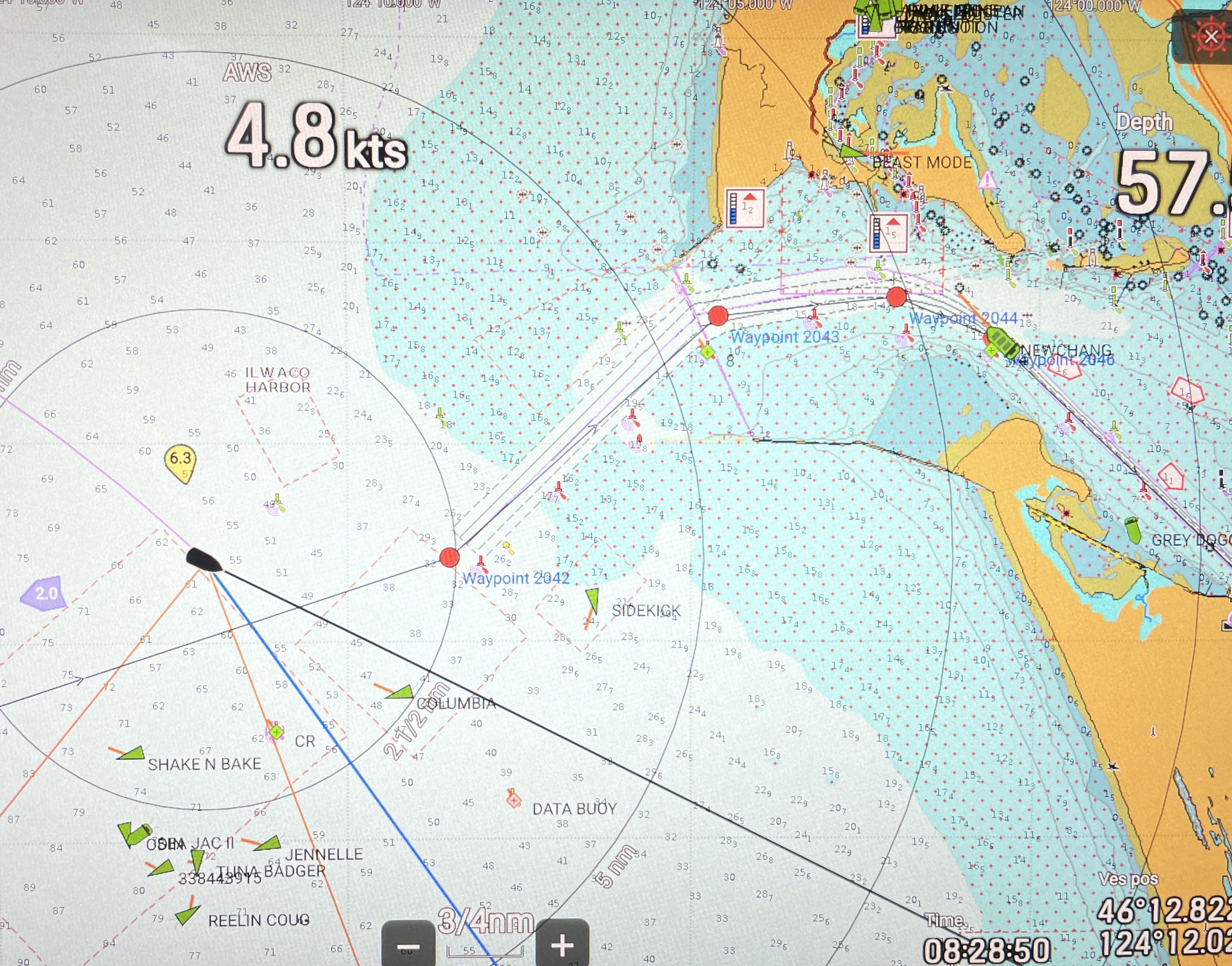
We timed our entrance to the bar based on the tide charts and the Columbia River Bar report. That morning the bar was quite calm, so we enjoyed the beautiful scenery as we motored upriver to Astoria.
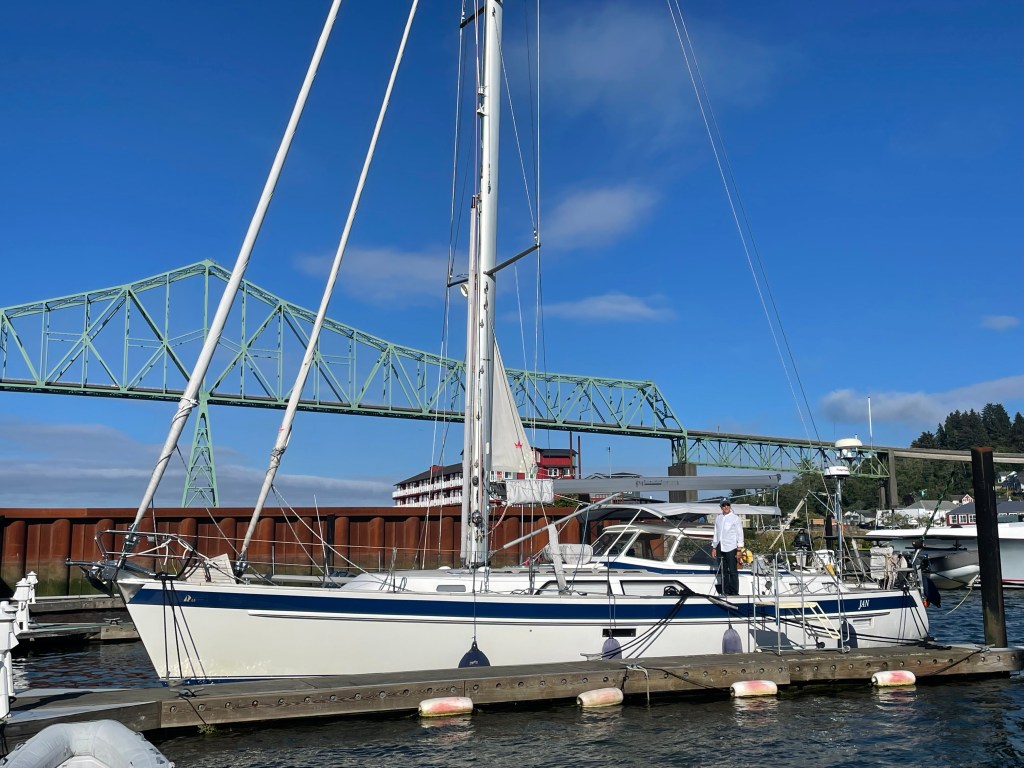
Astoria, the oldest city in Oregon and the first settlement west of the Rocky Mountains, was founded in the early 1800s as a hub for fur trading. The Lewis and Clark Expedition also passed through this area. Recent archaeological excavations show evidence of prehistoric Native American settlements and trading activity.
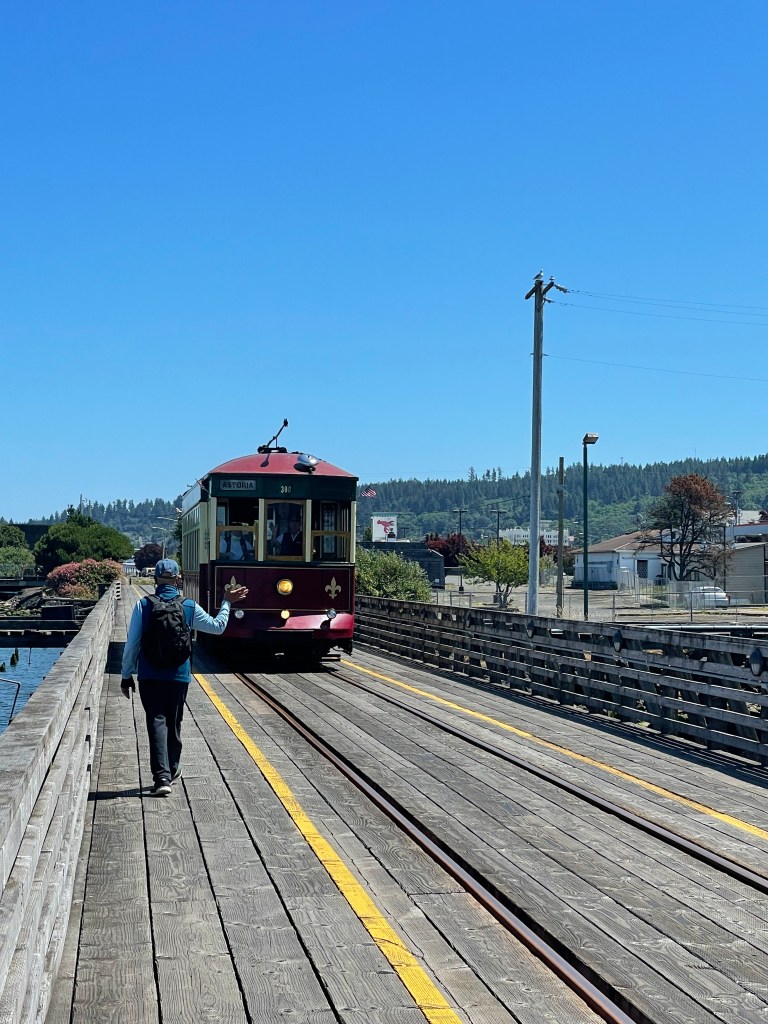
In the late 1800s, fishing, canneries and logging activity attracted a host of northern European and Chinese settlers, in addition to the native American Indians. Today, fishing and logging still support the local economy, although tourism and cruise ships have brought increasing business to the area. The fishing, which was once very abundant, had decreased due to overfishing but is now coming back strongly as a result of strict regulation for the past several years.
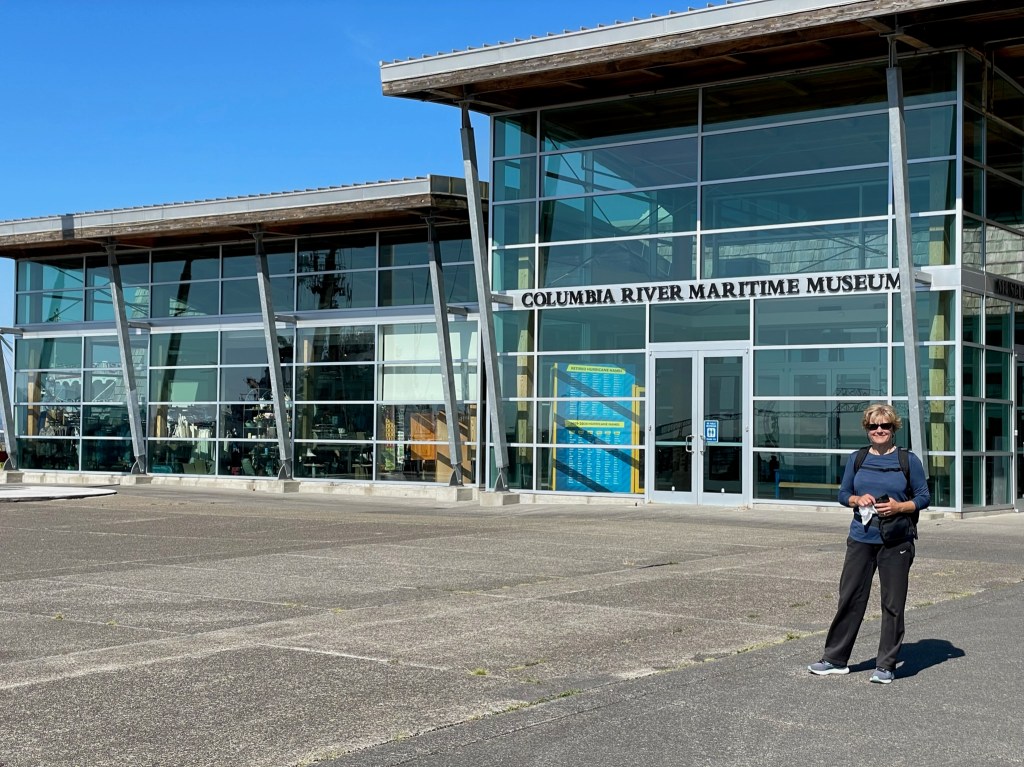
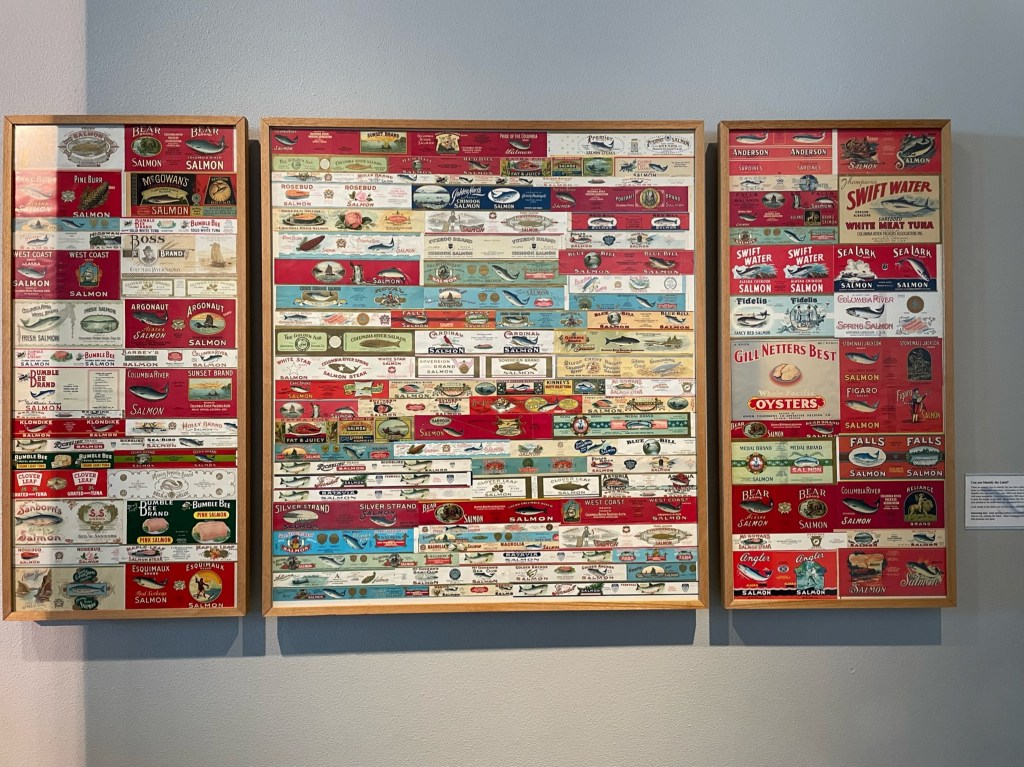
We also enjoyed seeing The Columbia River Maritime Museum which explains the different ways of salmon fishing.

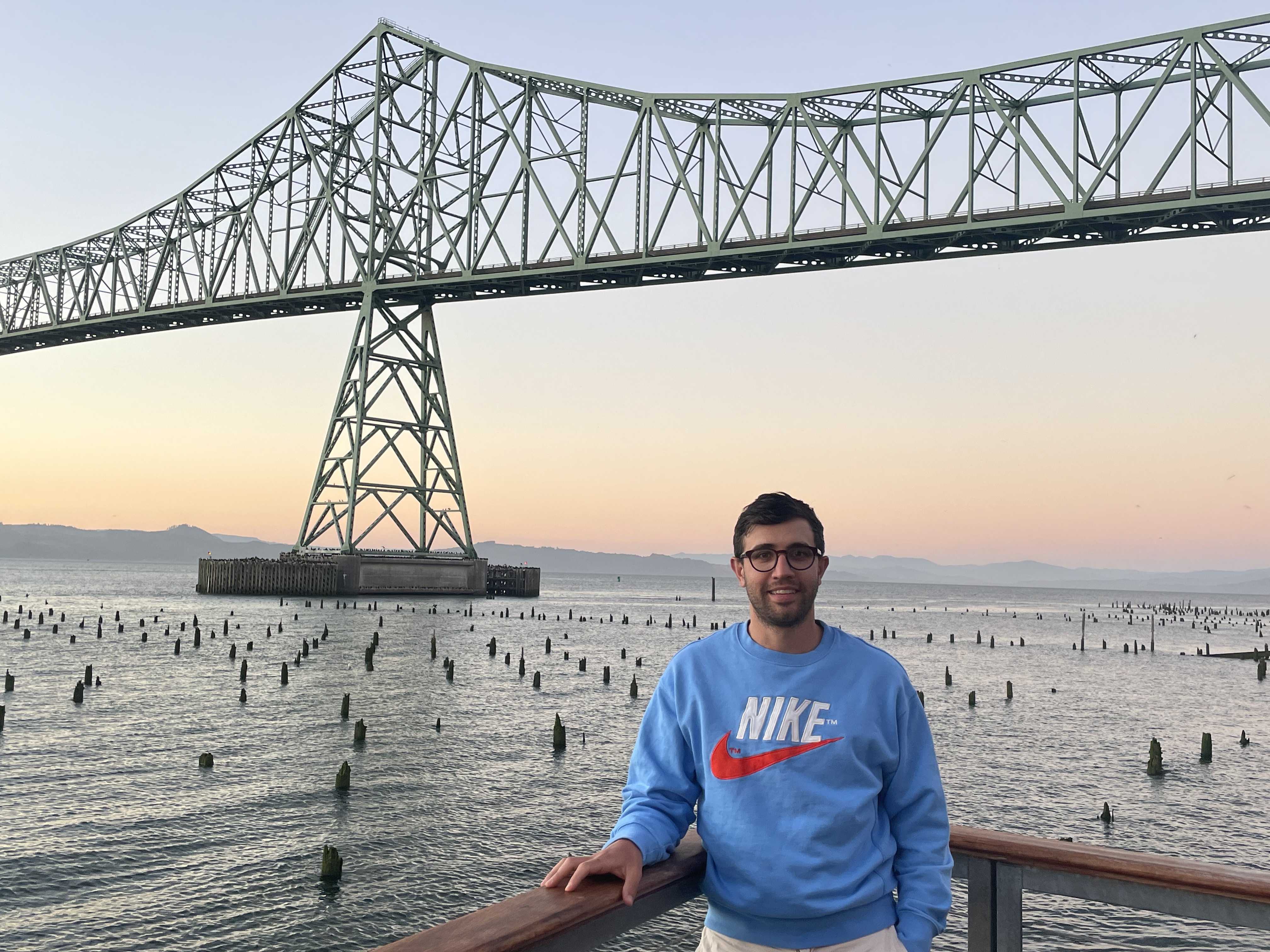
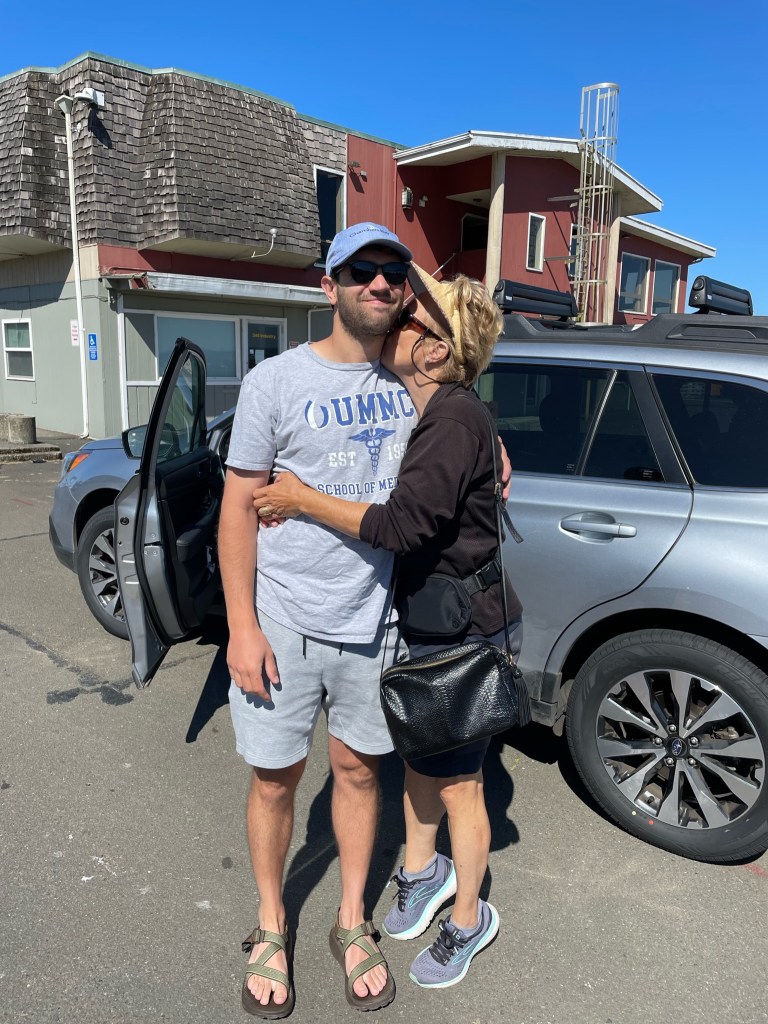
The highlight of our trip was when Marco came to visit us for a couple of days! We drove over the Astoria-Megler Bridge to Washington State. Its structure is described as a steel cantilever through truss bridge, which spans the Columbia River at Astoria and is a little over 4 miles long. Opened in 1966, it is the longest continuous truss bridge in North America.
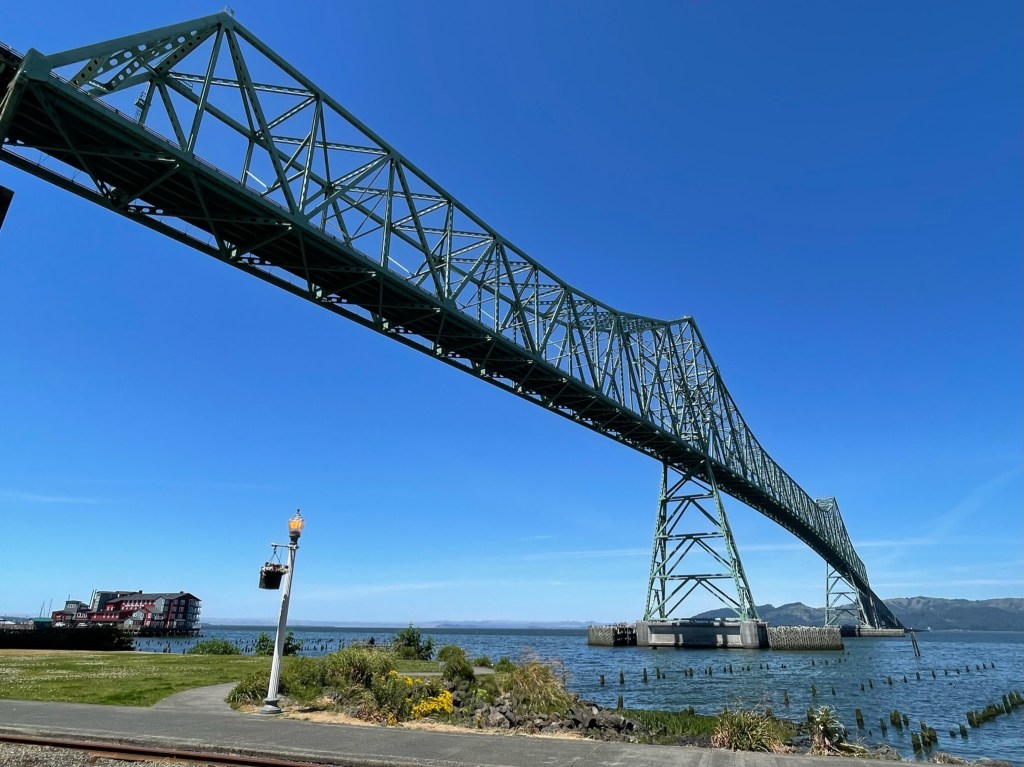
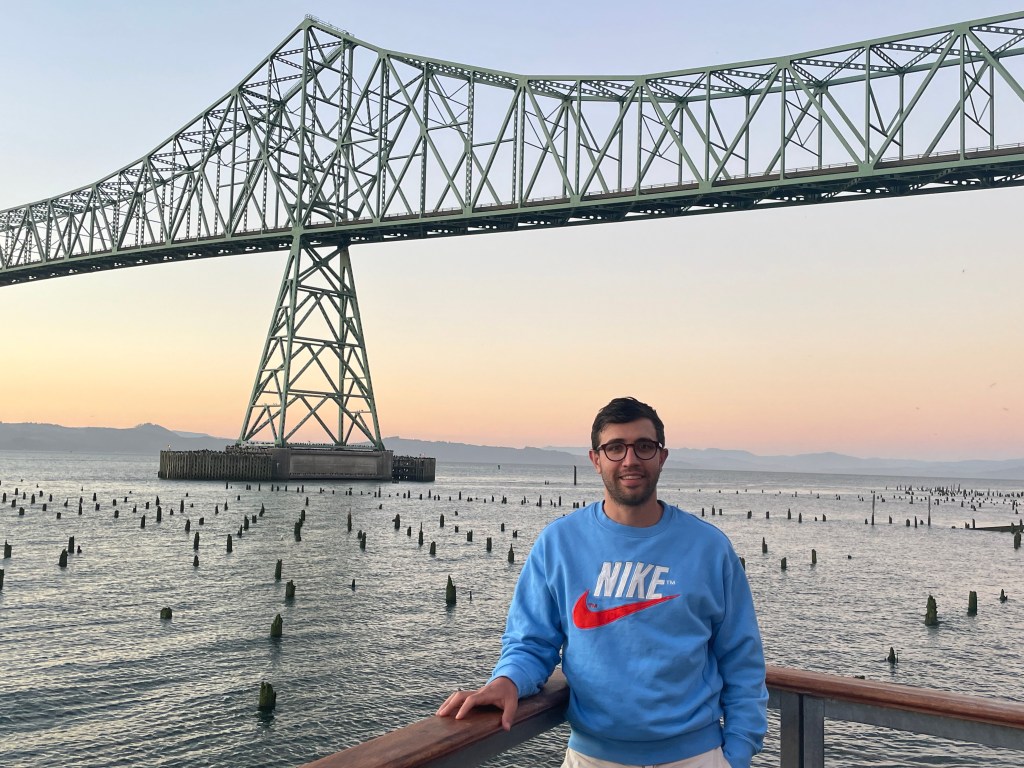
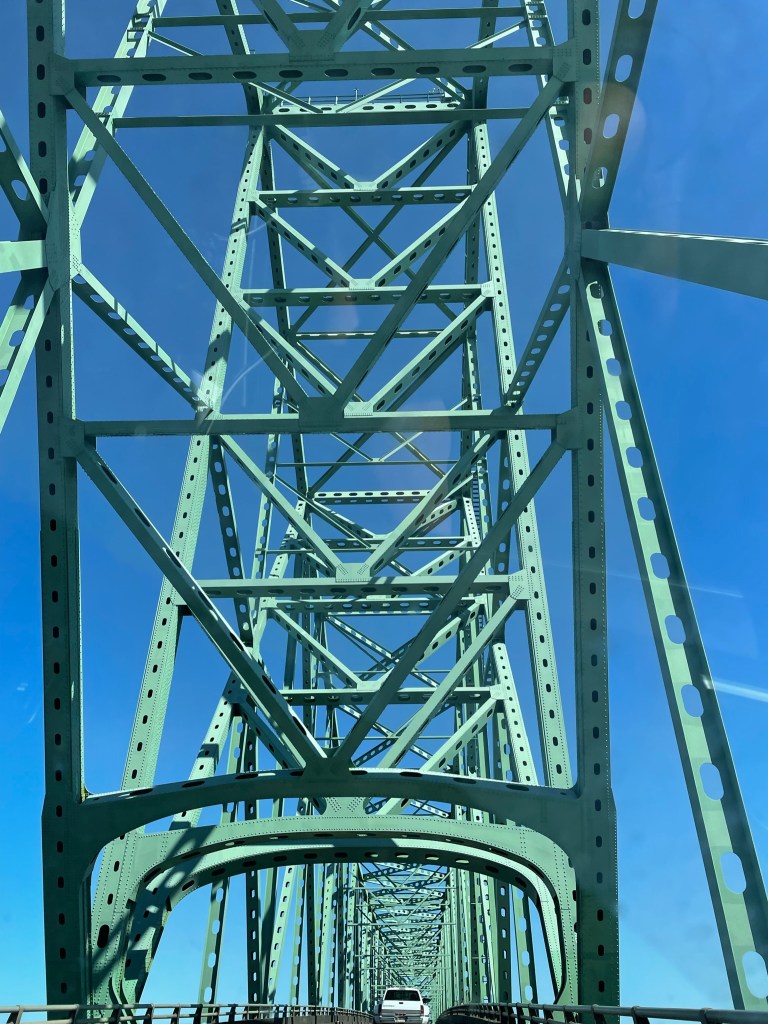
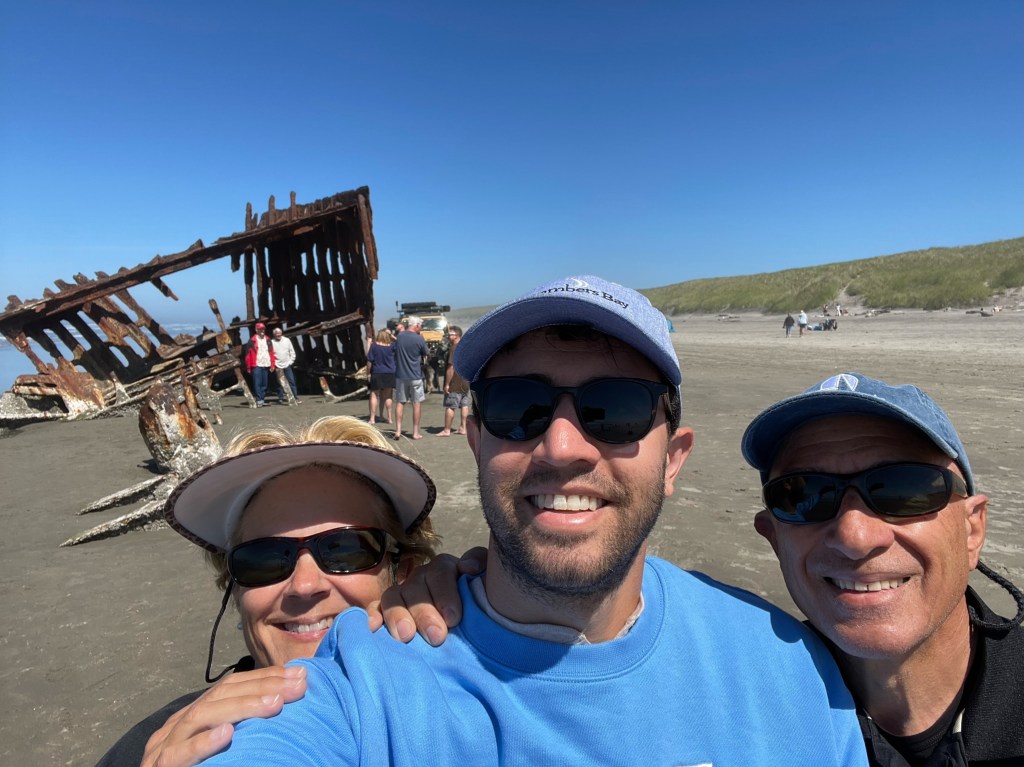
A trip to the 1906 shipwreck of the Peter Iredale was a treat, thanks to Marco, and his car.

After Marco left we departed Astoria the next morning, after the fog lifted. We headed west through a calm Columbia River Bar, and turned south toward San Francisco for a four-day passage.

 The Adventures of SV JAN
Jan, what a wonderful time you guys are having! I’m very happy for you. You and Giorgio look really good. Glad you got to see Marco too. We leave for Lisbon in two days. It’s so much work getting the house and the boat ready as you well know. But, we’re almost ready to go, just a few last minute things to do and pack. Xoxo Rose
Sent from my iPad
>
LikeLike
Hi Georgio and Jan, lots of useful information for us. This is Wiebke and Ralf on Flora (we met in La Linea/ Gibraltar. We’ll be following in your wake as we are still up in northern BC, slowly working our way down from Alaska. So the Baja will have to wait another year 😀.
LikeLike
Hello Jan and Georgio! Lynn and Hugh here of SV Happy! Thanks for your nice notes on Astoria as we passed through there as well and are currently in Eureka. We will be arriving in SF next week and staying the year as we plan to head south next summer. Please give us a shout if you stay a bit. We’d love to see you again!
LikeLike
Hi Lynn! We are in San Diego now. Enjoy SF and maybe we will meet up further south!
LikeLike